

Roofing Machines: Types, Uses, Benefits, and How They Work
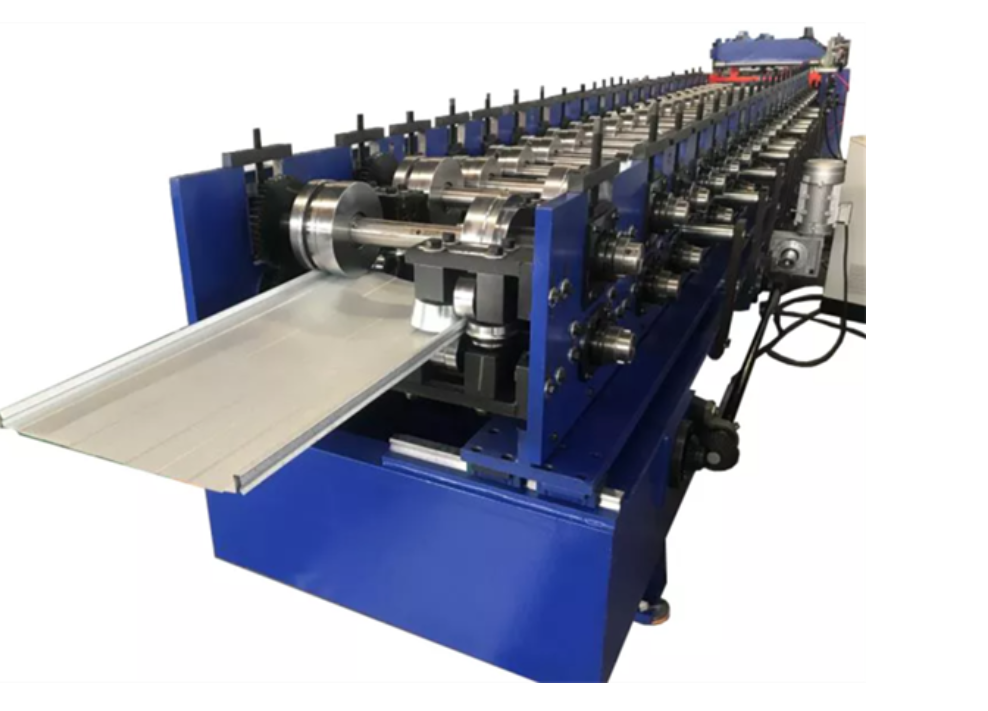
Modern roofing projects often require more than skilled labor and quality materials. Contractors also rely on specialized equipment to improve efficiency, accuracy, and safety during installation and fabrication. Roofing machines are designed to perform specific tasks such as forming metal panels, cutting materials, preparing surfaces, and supporting installation work.
For roofing contractors, manufacturers, and construction businesses, the right machinery can help reduce manual work and produce more consistent results. Understanding the different types of roofing machines and their applications can make it easier to select equipment that fits a particular project.
What Are Roofing Machines?
Roofing machines are specialized tools and equipment used in the production, preparation, installation, or maintenance of roofing systems. Some machines are designed for roofing material manufacturing, while others are used directly at construction sites.
The equipment needed depends on the roofing material and project requirements. Metal roofing manufacturers, for example, may use roll forming machines to produce panels, while contractors may use portable equipment for cutting, fastening, or shaping materials.
Common Types of Roofing Machines
Different roofing systems require different types of machinery. Some of the most common equipment includes the following.
Roll Forming Machines
Roll forming machines are widely used in metal roofing production. They gradually shape flat metal coils into specific panel profiles as the material passes through a series of rollers.
These machines can produce consistent roofing panels in different lengths and profiles. Some systems are designed for factory production, while portable versions can be transported to job sites.
Metal Roofing Panel Machines
Metal roofing panel machines are designed specifically to manufacture roofing panels from metal coils. Depending on the equipment, operators can produce standing seam panels, corrugated profiles, or other customized shapes.
Modern systems may include computerized controls that help improve production accuracy and reduce material waste.
Roof Seamers
Roof seamers are used primarily with standing seam metal roofing systems. They mechanically lock or fold panel seams together to create a secure connection.
Proper seaming is important because the seam is a critical part of the roofing system's weather resistance. The machine selected should match the specific panel profile and manufacturer's requirements.
Roofing Cutting Equipment
Cutting machines and specialized roofing tools are used to cut panels and materials to the required dimensions. Accurate cutting can help reduce waste and improve the fit around roof edges, openings, and other areas.
The appropriate equipment depends on the material being cut and the manufacturer's recommendations.
Roofing Material Handling Equipment
Large roofing projects may require equipment for moving coils, panels, insulation, and other heavy materials. Material-handling machinery can reduce the amount of manual lifting required and help improve job-site efficiency.
Benefits of Using Roofing Machines
Investing in suitable roofing machinery can provide several advantages for contractors and manufacturers.
Improved Productivity
Machines can perform repetitive tasks more quickly than manual methods. This can help contractors complete projects more efficiently and allow manufacturers to produce larger quantities of roofing materials.
Consistent Results
Automated or mechanically controlled equipment can provide greater consistency in tasks such as panel forming and seam creation.
Consistent production is particularly important when multiple panels must fit together accurately across a large roof.
Reduced Material Waste
Accurate measurements, cutting, and forming can help minimize unnecessary material waste. This may become particularly valuable when working with expensive metals or large production volumes.
Better Labor Efficiency
Roofing machines can reduce the amount of repetitive manual work required for certain tasks. Workers can focus more on installation, inspection, preparation, and other responsibilities that require experience and judgment.
Greater Customization
Many modern machines allow manufacturers to produce roofing panels in different profiles, lengths, and dimensions. This flexibility can be useful when a project requires custom roofing solutions.
How to Choose the Right Roofing Machine
The best roofing machine depends on what the contractor or manufacturer needs to accomplish. Before purchasing equipment, consider several important factors.
Type of Roofing Material
Determine whether the machine will be used with steel, aluminum, or another roofing material. Equipment must be compatible with the material's thickness and properties.
Production Volume
A small roofing contractor may not need the same equipment as a high-volume manufacturing facility. Consider how many panels or components need to be produced and how frequently the machine will be used.
Portability
Portable roofing machines can be useful for contractors who manufacture or modify panels directly at job sites. Factory-based equipment may be more appropriate for large-scale production.
Automation and Controls
Modern machines may include digital controls, automated measurements, and monitoring systems. These features can improve ease of operation and production consistency.
Maintenance and Support
Before purchasing machinery, consider availability of replacement parts, technical support, maintenance requirements, and operator training.
Roofing Machine Safety
Safety should always be a priority when operating roofing machinery. Equipment should only be used by properly trained personnel who understand the manufacturer's instructions.
Important safety practices include:
-
Follow the manufacturer's operating instructions.
-
Use appropriate personal protective equipment.
-
Keep hands and loose clothing away from moving components.
-
Inspect equipment before operation.
-
Maintain electrical and mechanical components properly.
-
Keep the work area organized and free from unnecessary hazards.
-
Provide appropriate training for new operators.
Job-site conditions should also be considered because roofing work often involves elevated surfaces and potentially hazardous environments.
Maintaining Roofing Machines
Regular maintenance can help keep roofing machinery operating reliably. Operators should follow the manufacturer's recommended maintenance schedule and inspect components for wear or damage.
Depending on the equipment, maintenance may include cleaning rollers, checking fasteners, inspecting electrical connections, lubricating moving parts, and replacing worn components.
Preventive maintenance can help identify problems before they cause unexpected downtime or affect production quality.
Final Thoughts
Roofing machines play an important role in modern roofing manufacturing and construction. From roll forming machines and panel production equipment to seamers and material-handling systems, specialized machinery can improve productivity, consistency, and efficiency.

 English
 Arabic
 Spanish
 Portuguese
 Deutsch
 Turkish
 Dutch
Dutch
 Italiano
 Russian
 Romaian
 Portuguese (Brazil)
 Greek
Greek