

5 Mistakes to Avoid With Metal Chimney Installation
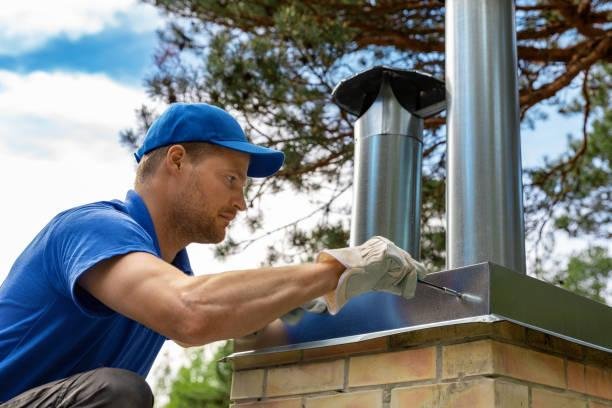
A metal chimney looks straightforward from the outside. You're thinking: how complicated can a pipe running through a roof really be? Pretty complicated, it turns out. Homeowners who skip the details end up with backdrafting, water damage inside the walls, or a failed inspection that halts everything. I've seen all three happen to people who thought they were doing it right. If you're planning metal chimney installation Burnaby BC, here are the five mistakes worth knowing about before you spend a dime or lift a single panel.
Mistake 1: Picking the Wrong Chimney System for Your Appliance
Not all metal chimneys are the same. Single-wall, double-wall, and triple-wall systems exist for specific appliances and specific situations, and swapping one for another isn't just a cost decision. It's a safety decision. A single-wall connector running from a wood stove through a finished wall framing, for example, creates a fire risk that most people don't catch until something goes very wrong.
Manufacturers are specific about this. They'll tell you exactly which liner class pairs with which appliance, and if you ignore that, the warranty is gone. Full stop. More importantly, using a mismatched system can mean the outer surface of the pipe runs too hot near framing, insulation, or drywall. That's the kind of thing that causes slow, hidden heat buildup in walls for months before anything visible happens.
So check the appliance manual first. Then check the chimney manufacturer's specs. If those two documents say the same thing, you're on the right track. If they don't line up, stop and get a second opinion before going any further.
Mistake 2: Getting the Flue Size Wrong
Flue sizing matters more than most homeowners expect. A flue that's too small won't pull gases up and out fast enough, which pushes smoke and carbon monoxide back into the living space. A flue that's too large creates weak draft because there isn't enough heat to keep the column of air moving. Both are problems. Neither is obvious until the appliance is running.
The sizing calculation depends on the appliance's BTU output, the height of the chimney, and the number of bends in the system. Change one variable and the whole equation shifts. This is one of those areas where guessing, or just matching the size of the old flue, can get you into trouble fast.
Carbon monoxide is odorless. You won't smell a drafting problem. You'll just feel off, or worse. That's why getting flue sizing done properly, by someone who actually does the math, isn't optional.
Mistake 3: Ignoring Clearance-to-Combustibles Requirements
Every metal chimney system has a clearance-to-combustibles number. It's listed in the installation manual and it's not a suggestion. It's the minimum distance the pipe must maintain from wood framing, insulation, and other flammable materials throughout the entire run, including inside the chase and in the attic.
Framing a chase too tight around the pipe is one of the most common errors a chimney installer in Burnaby BC will spot on a job site. It looks fine from the outside. But inside the wall or ceiling cavity, the wood framing might be sitting two inches from a pipe that requires six. That gap matters enormously over years of heating cycles.
You can reference NFPA 211, the standard for chimneys, fireplaces, and venting systems, which covers clearance requirements in detail. Most local building codes adopt it directly. Worth reading, or at least having your contractor reference it during framing.
Mistake 4: Skipping the Cap and Flashing (or Installing Them Wrong)
The chimney cap and the flashing around the roof penetration do one job: keep water out. That's it. But the consequences of getting them wrong are enormous and slow-moving, which makes them easy to ignore until the damage is already done.
A missing or poorly fitted cap lets rain fall straight down the flue. Over time, that rusts the liner from the inside and soaks the insulation in double-wall systems. Animals also love an uncapped flue. Squirrels, birds, raccoons, all of them will find it.
Flashing is where a lot of DIY jobs fall apart. The step flashing and counter flashing need to be properly integrated with the roofing material, sealed correctly, and sized to the pipe diameter. A bad seal doesn't always leak immediately. It might drip slowly into the ceiling cavity for a full season before anyone notices the stain on the drywall. By then, there's rot and mold to deal with on top of the flashing repair.
If you're working with a team like Red Seal Chimney, Fireplace & HVAC, this is the kind of detail they'll handle as part of the installation rather than leaving it as an afterthought. Worth asking any contractor specifically about their flashing process before you hire them.
Mistake 5: DIY Installation Without Permits or Code Knowledge
Pulling a permit feels like extra work. It is extra work. But a chimney installation without one creates problems that follow the house for years, not just the current owner. When you sell, an unpermitted chimney shows up as a liability. Buyers' inspectors flag it, lenders get nervous, and deals fall apart.
Beyond the paperwork, there's the actual code knowledge required. Local jurisdictions have specific requirements around chimney height above the roofline, clearances at the roof penetration, and the type of support brackets required at different intervals. These aren't things you can look up in five minutes. A licensed chimney installer in Burnaby BC will know the local requirements and pull the permits as part of the job.
Manufacturer installation sequences also matter. These systems have a specific order of assembly, and skipping steps or reversing the sequence can compromise the locking mechanisms between sections. A chimney that looks assembled from the outside might not be fully locked at every joint inside the chase. That's a problem you won't find until something shifts or separates.
metal chimney installation Burnaby BC done without permits is also an insurance issue. If a fire starts and your insurer discovers the chimney wasn't inspected or permitted, your claim is at serious risk. That's not a hypothetical, it happens.
Frequently Asked Questions
Do I really need a permit for a metal chimney installation?
Yes, in almost every jurisdiction. Burnaby follows BC Building Code requirements, and chimney work is specifically covered. The permit process includes an inspection, which protects you both during the job and when you eventually sell the home.
What's the difference between single-wall and double-wall metal chimney pipe?
Single-wall pipe is a single layer of metal, usually used for short connector runs inside a room. Double-wall pipe has an air gap or insulation layer between two metal skins, which keeps the outer surface cooler and allows it to run closer to combustibles. Triple-wall goes further and is used in the most demanding applications. The right choice depends entirely on your appliance and the route the chimney takes through the building.
How do I know if my flue is sized correctly?
The appliance manufacturer's manual will specify the minimum flue size. A qualified installer will also factor in chimney height and the number of elbows in the run. If you're replacing an existing system, don't assume the old size was right. It might not have been.
Can a bad chimney cap really cause that much damage?
It really can. Water intrusion through an uncapped or poorly fitted cap will rust the interior components, saturate insulation in double-wall systems, and eventually cause structural damage to the chase framing. The cap is a small part of the total installation cost, but it protects everything below it.
How do I find a qualified installer in Burnaby?
Look for someone who pulls permits, references the manufacturer's installation manual during the job, and can speak specifically to local code requirements. Ask about their experience with your specific appliance type, and get a written scope of work before anything starts. A contractor who won't pull permits is a contractor worth skipping.

 English
 Arabic
 French
 Spanish
 Deutsch
 Turkish
 Dutch
Dutch
 Italiano
 Russian
 Romaian
 Portuguese (Brazil)
 Greek
Greek