

Inside Tor Bridge Connections: Full Technical Breakdown
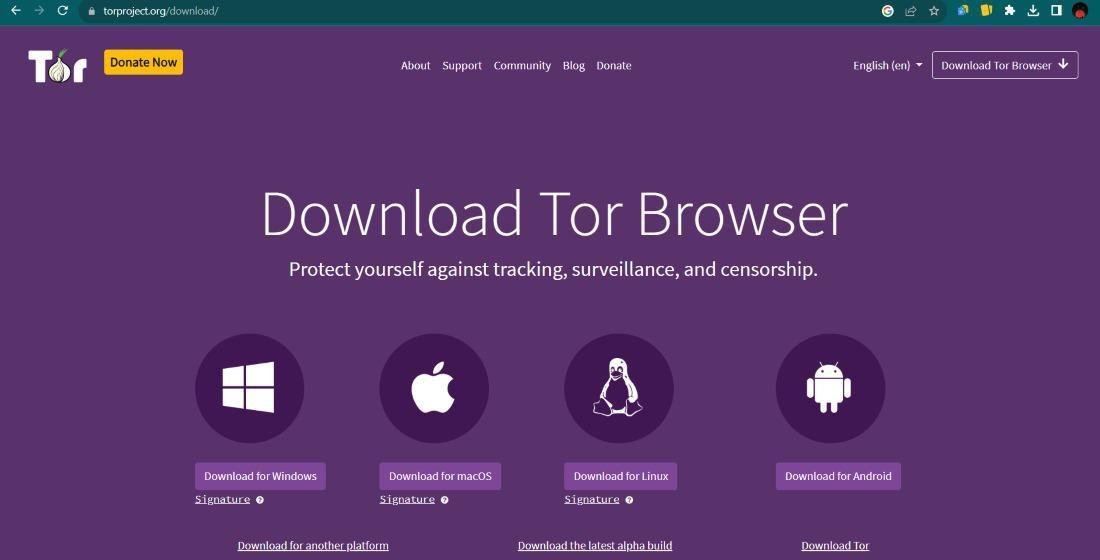
Did you know that thousands of people access the open internet every day through "invisible" entry points that do not appear on any public list? Tor bridge connections serve as these secret doorways - these tools are essential for users who live in regions where standard access to the Tor network is blocked by government firewalls or internet service providers. When you use a regular Tor relay, your ISP can see that you are connecting to the Tor network, even if they cannot see what you are doing. Bridges hide this fact entirely - making your traffic look like normal web browsing or random noise.
A primary keyword in this discussion is Tor bridge connections - these are private relays that act as the first hop in your encrypted path through the network. Because they are not listed in the main Tor directory, a firewall cannot simply download a list and block them all right away - this breakdown explores the technical mechanics, the different protocols available and how you can maintain a stable connection in restrictive environments.
Inside Tor Bridge Connections - Full Technical Breakdown
Tor bridge connections are non public relays that help you stay connected when direct access to the Tor network is restricted. They work - acting as a middleman that disguises your traffic to look like standard HTTPS data or unidentifiable packets. People use these bridges because they offer a way to reach the decentralized web and onion services when standard entry guards are censored.
Quick Answer
Tor bridge connections bypass censorship - using private entry points that do not appear in public directories. They use "Pluggable Transports" to transform your data into a format that bypasses deep packet inspection. To use them, you simply select a bridge type like obfs4 in your browser settings or request a bridge address from the Tor Project.
The Three Main Types of Tor Bridges
Different network environments require different methods of disguise. Not all bridges are the same and choosing the right one depends on how sophisticated your local network filters are. Many users find success with one of the following three types of pluggable transports.
- obfs4
This is the most popular bridge type - It works - making your traffic look like random noise. It is highly effective against most censors because it lacks a "fingerprint" that automated systems can recognize. It is suitable for beginners and works in most countries. - meek-azure
This transport makes your traffic look like you are visiting a Microsoft website. It uses a technique called "domain fronting" It is very difficult to block without also blocking major cloud services but it is often slower than other options. - Snowflake
This is a unique system that turns a volunteer's regular web browser into a temporary bridge. If you can access a regular website, you can likely use Snowflake. It is great for users in highly restrictive areas, though speeds may fluctuate.
When you are looking for working Tor bridges 2026, it is important to test which protocol handles your local network's restrictions most efficiently. As an example, if you are trying to visit a specific marketplace like Piranha Market, a stable obfs4 connection is usually the most reliable choice for consistent uptime.
How Tor Bridges Bypass Network Filters
Standard internet filters use "Deep Packet Inspection" (DPI) to look at the shape and headers of your data. When you connect to a normal Tor relay, the packets have a specific signature. Firewalls identify this signature and drop the connection immediately. Bridges change this dynamic - wrapping the Tor traffic in a layer of obfuscation.
Think of it as putting a letter inside a different envelope. To the mail carrier (your ISP), it looks like a standard utility bill or a greeting card. Only when it reaches the bridge relay is the outer layer removed and the Tor data sent forward - this process happens instantly and ensures that your initial connection remains hidden from local observers.
Common Connection Issues & Fixes
Even the best bridge can occasionally fail - Understanding why the interruptions happen is the first step toward fixing them. Many issues stem from outdated bridge addresses or local system interference.
Problem - The bridge address is blocked.
Censors eventually find and block specific bridge IP addresses. If your connection gets stuck at 10 % or 20 % during the "bootstrapping" phase, your bridge is likely no longer active. Fix
You must request a new set of bridges via the Tor Browser settings or - sending an email to bridges@torproject.org from a Gmail or Riseup account.
Problem - System clock misalignment.
Tor relies on accurate time to verify security certificates. If your computer clock is off by even a few minutes, the bridge connection will fail. Fix
Ensure your operating system is set to sync the time automatically with an internet time server.
Problem - Antivirus interference.
Some security software sees the unusual behavior of pluggable transports as a threat. Fix
Check your firewall or antivirus logs. You may need to add an exception for the Tor Browser executable or the specific obfs4proxy file.
Security & Best Practices for Bridge Users
Using a bridge keeps you connected but you must still follow safety protocols. Bridges protect your entry into the network but they do not replace the need for cautious browsing habits. Always use a trusted source like OnionLinks to find verified destinations once you are connected.
Keep your software updated - The Tor Project frequently releases patches to address new censorship techniques. If you use an old version of the browser, your bridge might use an outdated obfuscation method that firewalls can now recognize. Avoid using bridges if you are on a network where you do not face censorship - leaving bridges available for those who truly need them helps the overall health of the network.
FAQ
Are Tor bridges slower than regular relays?
Yes, bridges are generally slower because they add an extra layer of encryption and processing. Since they are often run by volunteers on home connections, you might experience higher latency compared to high bandwidth public relays.
Can my ISP tell I am using a bridge?
Your ISP can see that you are sending data to an IP address but the obfuscation protocols make that data look like normal web traffic or random bits. They will find it very difficult to prove you are using Tor specifically.
How do I get new bridges?
You can get them directly inside the Tor Browser settings - clicking "Request a Bridge" Alternatively, you can visit the official BridgeDB website or send an email to the Tor Project with the command "get transport obfs4" in the body.
Is it legal to use Tor bridges?
In most countries, using Tor and bridges is perfectly legal. If you are in a region where Tor is officially banned, using a bridge may violate local terms of service or regulations. Always check your local laws before connecting.
Maintaining reliable access to the network requires a basic understanding of Tor bridge connections and how they interact with your local internet service. By choosing the right transport and keeping your bridge addresses fresh, you can navigate the web with much more freedom. Use these tools responsibly to ensure your digital privacy remains intact.

 English
 Arabic
 French
 Portuguese
 Deutsch
 Turkish
 Dutch
Dutch
 Italiano
 Russian
 Romaian
 Portuguese (Brazil)
 Greek
Greek