

Why Do Serration Patterns Improve Collection Efficiency
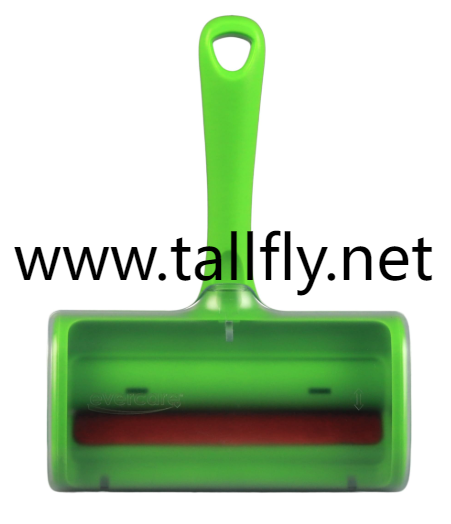
Blade geometry directly determines how effectively removal tools gather and lift accumulated hair from furniture and fabric surfaces. Many caregivers struggle with implements that push hair around rather than actually removing it, creating frustration that discourages regular maintenance. Understanding how edge design affects gathering efficiency helps explain why some Pet Hair Scraper options outperform others despite appearing similar at first glance.
Edge angle influences how blades contact surfaces and engage with hair clumps. Shallow angles allow blades to slide under accumulated hair, lifting it away from fabric weaves rather than simply compressing it against surfaces. Steep angles create more scraping action that can be effective on hard surfaces but risks pushing hair into textiles rather than extracting it. The angle sweet spot varies based on typical surface types requiring regular maintenance in your household.
Blade material affects both hair gathering capability and surface safety. Rigid metal edges provide aggressive hair collection but risk scratching delicate finishes or snagging fabric threads. Flexible rubber or silicone edges conform to surface contours without damage risk, though they may prove less effective on heavily accumulated clumps requiring firmer contact. Material selection balances effectiveness against the protection valuable furniture deserves.
Serration patterns create micro catching points that grab individual hairs preventing them from sliding past blade edges. Fine serrations work well on short pet hair that smooth edges might miss, creating mechanical grip that ensures capture. However, very coarse serrations can snag on fabric loops or damage delicate materials. Serration scale should match typical hair length and surface delicacy for appropriate performance.
Blade width determines coverage area per stroke affecting efficiency during large surface maintenance. Wider blades complete furniture cleaning faster through increased coverage, though they may prove awkward in tight spaces around cushion seams or furniture details. Narrower options provide precision in detailed areas while requiring more strokes covering expansive surfaces. Many households benefit from multiple width options matching different cleaning situations.
Curvature allows blades following furniture contours maintaining consistent contact across rounded or irregular surfaces. Flat rigid blades work well on planar surfaces but lose effectiveness on curved arms, rounded cushions, or complex furniture shapes. Slight flexibility or intentional curve design maintains gathering contact despite surface variations, improving overall collection efficiency across diverse furniture styles.
Thickness influences durability and rigidity affecting long term performance and immediate function. Thin blades provide flexibility conforming to surfaces but may bend or break under pressure when addressing stubborn clumps. Thicker construction resists deformation maintaining consistent edge geometry through extended use. However, excessive thickness creates inflexibility that reduces surface conformability. Appropriate thickness balances durability against functional flexibility.
Edge texture beyond serrations affects hair adherence during collection. Slightly roughened surfaces create friction helping gathered hair stay with the blade rather than immediately falling away before disposal. Extremely smooth edges allow easy cleaning but may require multiple passes as collected hair releases prematurely. Texture optimization maintains gathered material through stroke completion.
Dual edge designs provide versatility through different blade characteristics on opposite edges. One edge might feature aggressive serrations for heavy accumulation while the other offers smooth gentle contact for delicate fabrics. This dual functionality reduces the need for multiple specialized tools addressing different cleaning scenarios with single implements.
Blade replacement capability extends tool lifespan when edges dull or damage occurs through regular use. Removable blade systems allow refreshing cutting edges without replacing entire implements. This feature proves economical for heavy use situations where edge wear becomes inevitable despite quality construction. However, simpler permanent blade designs often suffice for moderate household needs.
Understanding blade design elements guides scraper selection matching specific cleaning needs and surface types requiring regular maintenance. Appropriate edge geometry, materials, and features transform hair removal from frustrating chore into efficient routine. Thoughtful tool selection reflects the same attention to detail applied across household maintenance approaches. For hair removal implements featuring thoughtfully designed edges balancing effectiveness with surface protection, visit https://www.tallfly.net/ to explore options suited to various furniture types and cleaning requirements.

 English
 French
 Spanish
 Portuguese
 Deutsch
 Turkish
 Dutch
Dutch
 Italiano
 Russian
 Romaian
 Portuguese (Brazil)
 Greek
Greek