

How to Prevent Oxidation in Aluminum Speaker Cable Connections
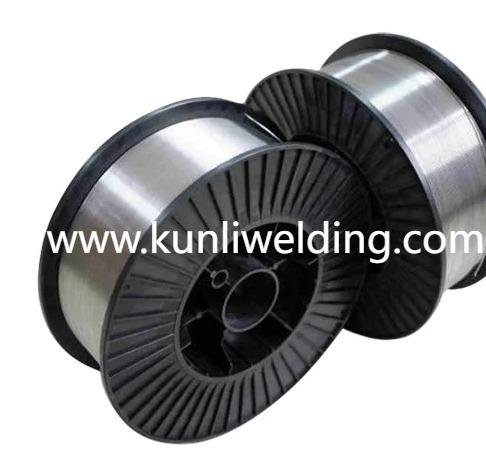
Aluminum Braided Wire Manufacturers often use this material in audio and speaker applications because it can be lighter or more cost-effective than other materials. However, ensuring low contact resistance and stable terminations is crucial for clear audio and reliable performance. Several wiring guides and manufacturers recommend best practices for working with aluminum braided wire, which include secure mechanical terminations, careful soldering with aluminum-compatible materials, and protective sealing. This guide outlines the process for soldering aluminum braided speaker wire, with an emphasis on limiting corrosion and maintaining signal quality.
Speaker systems typically have low impedance and experience high current peaks from amplifiers. Even small increases in resistance at the terminations can lead to a noticeable reduction in output or result in audible artifacts. Additionally, mechanical looseness or oxidation in the speaker cable connections can cause intermittent noise. Because aluminum is more sensitive than copper to typical soldering practices, it's important to follow procedures that prioritize mechanical strength and protect the joints from moisture and handling.
To begin, gather the necessary tools and materials. You'll need a fine-point soldering iron or a small hot-air station, aluminum-specific flux, and compatible filler alloy. You should also have ferrules, banana plugs, binding posts, or crimp sleeves that are rated for aluminum wires, as well as a stainless-steel brush or fine abrasive for removing oxide. Adhesive-lined heat-shrink tubing, silicone sealant, and strain-relief clamps are also important for protection, and a multimeter will help you test continuity and contact resistance.
Start by choosing connectors suited to the speaker wire's gauge. Ferrules or crimp sleeves are recommended because they compress the braided strands, creating a consistent contact surface that makes it easier to insert the wire into binding posts or banana plugs. Mechanically secure the conductor first by either inserting the braid into a ferrule and crimping it or wrapping the strands firmly around a binding post under a screw clamp. This mechanical connection will reduce the need for solder to provide strength. After securing the connection, inspect it carefully to ensure there are no stray strands and that the crimp or screw is tight.
Next, clean the conductor and contact surfaces thoroughly. Use a stainless-steel brush or fine abrasive to remove the oxide layer from the aluminum until the metal is bright. Work as close as possible to the connector to minimize the time between cleaning and applying flux. Once the surface is clean, apply aluminum-specific flux to help the filler alloy wet the aluminum when heated.
When it's time to solder, heat the joint gently. Use the soldering iron or hot-air station to warm the mechanical connector and activate the flux. Apply small amounts of aluminum-compatible filler, aiming for a thin, even distribution. The goal is to improve electrical contact without creating a large, rigid solder mass, which could become a stress point as the cable flexes. Overfilling the joint could make the solder connection too stiff, so focus on creating a flexible, durable joint that enhances electrical continuity without excess material.
After soldering, clean the flux residues according to the manufacturer's recommendations. Flux residues can be corrosive or absorb moisture, so it's important to clean them thoroughly. Use the appropriate solvent for the flux and allow the area to dry completely before proceeding.
Once the joint is clean, apply adhesive-lined heat-shrink tubing over the termination and shrink it to form a secure seal. To further protect the joint, add a strain-relief clamp or bend the cable so that any pulling force is absorbed away from the soldered or crimped area. You can also add a small bead of silicone at the point where the heat-shrink meets the connector to prevent moisture from wicking into the connection.
Finally, use a multimeter to test the continuity of the connection and check for low resistance. Before using the speaker at full power, test it at low power to ensure stable contact and that there are no issues with noise. If you experience crackling or intermittent problems, re-check the mechanical mounting and clean and rework the joint as needed.
For speakers used in humid or exposed environments, it's important to periodically inspect the terminations for signs of oxidation. Re-seal or rework any joints that show corrosion or increased resistance. For portable systems, sealed connectors or protective boots can provide additional protection against environmental factors.
To find suitable connectors, ferrules, and aluminum flux and filler products for audio use, consult product datasheets and supplier guidance. For more information on parts and tools that can assist with aluminum speaker cable terminations, see Kunli's product pages at https://kunliwelding.psce.pw/8p6qdb .

 English
 Arabic
 French
 Spanish
 Portuguese
 Deutsch
 Turkish
 Dutch
Dutch
 Italiano
 Russian
 Romaian
 Greek
Greek