

Knife Coating vs. Calendaring: Shanghai MSD PVC Tarpaulin
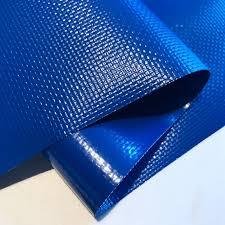
In industrial protective materials, mechanical strength, chemical stability, and fabrication efficiency are critical selection criteria, and Shanghai MSD PVC Tarpaulin Fabric has emerged as a technically refined solution engineered to withstand continuous exposure to harsh outdoor environments and heavy-duty operational demands. As transportation networks, warehousing systems, and temporary architectural structures evolve, PVC tarpaulin materials are required not only to resist environmental stress but also to maintain flexibility, weldability, and aesthetic integrity over long service cycles.
At the material core, PVC tarpaulin is a composite structure combining a high-tenacity polyester scrim with polyvinyl chloride coating layers. The polyester reinforcement typically adopts warp-knitted or woven constructions, with yarn densities adjusted to meet specific tensile and tear strength requirements. High-denier yarns improve load-bearing capacity, while balanced warp and weft tension control ensures dimensional stability. The PVC coating compound includes plasticizers to provide flexibility, thermal stabilizers to prevent degradation during processing, UV inhibitors for outdoor durability, and pigments to achieve consistent coloration. The interplay between the textile substrate and coating thickness directly influences weight classification, softness, and long-term structural reliability.
Processing technology significantly impacts performance outcomes. In advanced production lines, the knife-over-roll coating method allows precise control of coating thickness, ensuring uniform coverage and strong interfacial adhesion between the PVC layer and polyester base. This technique involves spreading a calibrated PVC paste across the fabric surface before passing it through multi-zone ovens for gelation and curing. Temperature regulation during curing is essential, as insufficient heating can weaken bonding strength, while excessive heat may compromise polymer stability. Alternatively, laminated production methods utilize calendared PVC films bonded to the textile reinforcement under pressure, creating smooth surfaces ideal for digital printing and graphic applications.
Surface embossing technology introduces additional functional and aesthetic benefits. Through patterned rollers, textures such as matte, gloss, or anti-slip finishes can be applied, enhancing both appearance and performance. Anti-slip surfaces are particularly important for truck curtain sides and cargo covers, where friction stability helps prevent load displacement during transportation. For advertising banners, smoother finishes support high-resolution ink adhesion and vibrant color reproduction.
Shanghai MSD International Trade Co., Ltd. integrates material research with production optimization to deliver tailored PVC tarpaulin solutions. By adjusting resin formulations and base fabric parameters, the company can customize performance profiles for different climates and operational conditions. For instance, materials designed for tropical regions prioritize enhanced UV resistance and anti-fungal treatment, while those intended for cold climates incorporate low-temperature plasticizers to maintain flexibility below freezing points. Such targeted development ensures reliability across diverse geographic markets.
The application spectrum of PVC tarpaulin fabric extends across multiple industries. In logistics and freight transportation, it serves as side curtains for trailers, roll-up truck covers, and railway wagon enclosures. The fabric’s waterproof and wind-resistant properties protect cargo from rain, dust, and debris while maintaining structural tension under highway speeds. In the agricultural sector, PVC tarpaulin is used for grain storage covers, irrigation pond liners, and livestock shelters, where resistance to moisture and microbial growth is crucial. Construction projects rely on tarpaulin for temporary roofing systems, scaffolding enclosures, and debris containment barriers, benefiting from its rapid installation and reusability.
Inflatable product manufacturing also represents a significant application area. Air-tightness and heat-weld seam integrity are fundamental for inflatable boats, floating docks, and emergency rescue rafts. High-frequency welding compatibility ensures that seams achieve strength comparable to the base material itself. Peel strength testing is commonly conducted to evaluate seam durability under pressure and repeated flexing conditions.
Performance validation relies on comprehensive laboratory and field testing procedures. Tensile strength and elongation at break are measured using standardized mechanical testing equipment to determine load-bearing capacity. Tear resistance is evaluated through trapezoidal or Elmendorf methods, simulating propagation under stress concentration. Hydrostatic head testing measures waterproof capability by applying increasing water pressure until penetration occurs. UV weathering chambers accelerate exposure cycles to assess color stability and mechanical retention after prolonged radiation exposure.
Cold crack resistance testing examines material flexibility at sub-zero temperatures, often down to -30°C or lower depending on formulation. Flame retardant performance is assessed through vertical burn tests, analyzing after-flame time and self-extinguishing characteristics. These evaluations ensure compliance with safety standards required for transportation and public installations. Additionally, adhesion testing confirms the bonding strength between coating layers and the textile substrate, preventing delamination during extended service life.
Environmental and regulatory considerations have influenced modern PVC tarpaulin development. Advanced formulations incorporate low-VOC plasticizers and heavy-metal-free stabilizers to meet global environmental compliance requirements. Recycling initiatives focus on reducing production scrap and exploring material recovery pathways, reflecting the industry’s shift toward sustainable manufacturing practices.
As global industries demand materials that combine structural resilience with processing versatility, PVC tarpaulin fabric continues to evolve through technological refinement and performance optimization. More detailed insights into material composition, production processes, and application solutions are available through Shanghai MSD’s official resource page at https://www.shanghaimsd.com/news/what-is-pvc-tarpaulin-fabric.html .

 English
 Arabic
 French
 Spanish
 Deutsch
 Turkish
 Dutch
Dutch
 Italiano
 Russian
 Romaian
 Portuguese (Brazil)
 Greek
Greek