

Aluminum Barge Builders: Driving Innovation in Modern Marine Construction
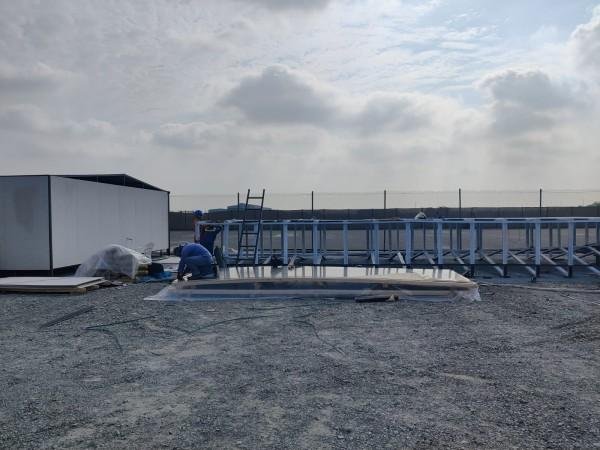
Aluminum barge builders are playing a transformative role in modern marine construction as the global maritime industry shifts toward efficiency, sustainability, and advanced engineering solutions. With over 80% of global merchandise trade transported by sea, according to the United Nations Conference on Trade and Development (UNCTAD), the need for high-performance and cost-effective vessels has never been greater. Barges remain essential for offshore support, cargo transportation, dredging operations, and inland waterways. Today, aluminum is emerging as a preferred material due to its lightweight structure, corrosion resistance, and long-term economic advantages.
Growing Demand for Modern Barges
Global shipping continues to expand, driven by industrial growth, infrastructure development, and offshore energy exploration. This rising demand has encouraged aluminium barge manufacturers to adopt innovative construction technologies that improve durability and fuel efficiency. Compared to traditional steel vessels, aluminum barges are approximately 30–40% lighter, allowing operators to increase payload capacity while reducing overall fuel consumption. Studies suggest that lighter vessels can reduce fuel usage by up to 15–20%, depending on operational conditions.
In addition to fuel efficiency, aluminum barges offer improved maneuverability and reduced draft, making them suitable for shallow waters and restricted ports. This flexibility supports inland trade networks and coastal logistics operations worldwide.
Sustainability and Environmental Compliance
Environmental responsibility is a major concern for the maritime industry. The International Maritime Organization (IMO) has introduced strategies aimed at reducing greenhouse gas emissions from international shipping by at least 20% by 2030 compared to 2008 levels. Lightweight aluminum vessels directly contribute to these goals by lowering fuel consumption and carbon emissions.
Aluminum is also highly sustainable because it is 100% recyclable without losing its original properties. According to the International Aluminium Institute, nearly 75% of all aluminum ever produced is still in use today. This recyclability significantly reduces environmental impact compared to other materials. By integrating aluminum into marine construction, shipbuilders are supporting long-term sustainability and reducing lifecycle emissions.
Strength, Durability, and Corrosion Resistance
One of the most significant advantages of aluminum in marine construction is its exceptional resistance to corrosion. Marine environments expose vessels to saltwater, humidity, and extreme weather conditions that can accelerate material degradation. Aluminum naturally forms a protective oxide layer that prevents rust and minimizes maintenance requirements. This increases the vessel’s lifespan, often extending service life beyond 25–30 years with proper maintenance.
Additionally, aluminum’s high strength-to-weight ratio ensures structural integrity while keeping the vessel light. Modern engineering tools such as computer-aided design (CAD) and hydrodynamic simulations allow builders to enhance hull performance, stability, and load distribution. These innovations improve safety standards and operational efficiency.
Technological Innovation in Barge Construction
The evolution of marine engineering has led to advanced welding and fabrication methods specifically designed for aluminum structures. Techniques such as friction stir welding create stronger joints and reduce structural distortion, enhancing overall vessel performance. Modular construction approaches are also becoming more common, allowing sections of a barge to be built separately and assembled efficiently.
Digital monitoring systems and smart sensors are increasingly integrated into modern barges, enabling real-time performance tracking and predictive maintenance. This technological integration reduces downtime, prevents unexpected failures, and improves overall fleet management efficiency.
Regional Growth and Marine Infrastructure
The Middle East, particularly the United Arab Emirates, has emerged as a key maritime hub due to its strategic location and expanding port infrastructure. The presence of experienced barge builders in UAE supports offshore energy projects, coastal logistics, and infrastructure development throughout the region. With continued investment in maritime facilities and renewable energy projects, demand for lightweight and durable barges is expected to grow steadily.
Marine infrastructure expansion, including ports and offshore wind projects, requires specialized support vessels capable of operating in challenging environments. Aluminum barges meet these requirements by offering flexibility, strength, and operational efficiency.
Economic Advantages and Long-Term Value
From a financial perspective, aluminum barges provide significant long-term savings. Although initial construction costs may be slightly higher than traditional steel alternatives, lower fuel consumption and reduced maintenance expenses often offset the difference within a few years. Operators benefit from improved lifecycle cost efficiency and higher resale value due to aluminum’s durability.
The global shipbuilding market is projected to surpass $150 billion by 2030, reflecting steady growth in maritime trade and offshore development. A modern barge building company must therefore focus on innovation, sustainability, and cost efficiency to remain competitive in this evolving market. Aluminum construction aligns perfectly with these objectives, offering operators a reliable and future-ready solution.
Role of VU Marine in Advancing Aluminum Barge Construction
Companies like VU Marine are contributing to the progress of aluminum barge construction by emphasizing precision engineering and sustainable practices. By adopting modern fabrication technologies and maintaining strict quality standards, VU Marine supports the growing demand for efficient marine vessels. Their approach reflects the broader shift within the industry toward lightweight materials and environmentally responsible construction methods.
Future Outlook
The future of aluminum barge construction is closely linked to global sustainability goals and technological advancement. Hybrid propulsion systems, alternative fuels, and digital fleet management tools are expected to become standard features in the coming decade. Aluminum’s lightweight properties make it highly compatible with these emerging technologies.
As maritime trade continues to expand and environmental regulations tighten, aluminum barges will remain at the forefront of innovation. Their ability to combine efficiency, durability, and sustainability ensures they will play a crucial role in modern marine construction. Through continuous research and engineering improvements, aluminum barge builders are not only meeting present demands but also shaping the future of global maritime infrastructure.

 English
 Arabic
 French
 Spanish
 Portuguese
 Deutsch
 Turkish
 Dutch
Dutch
 Italiano
 Romaian
 Portuguese (Brazil)
 Greek
Greek