

Aluminum Barge Builders: The Growing Importance of Aluminum in Commercial Shipping
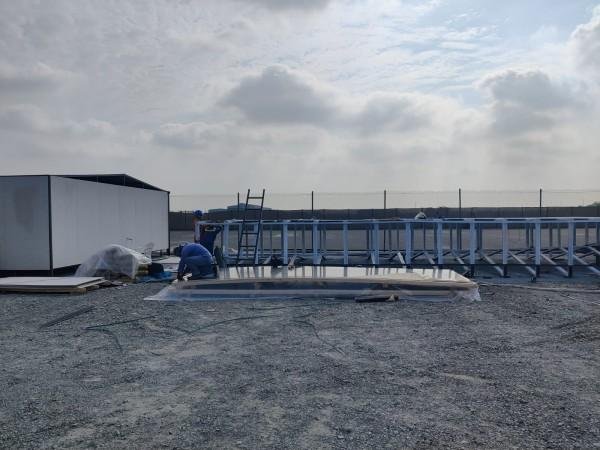
In today’s fast-changing maritime industry, aluminum barge builders are becoming increasingly important in commercial shipping. As global trade continues to expand and environmental regulations become stricter, the demand for lightweight, fuel-efficient, and durable vessels is rising. Aluminum barges are now considered a modern solution for cargo transport across inland waterways, coastal routes, and offshore sectors.
According to the United Nations Conference on Trade and Development (UNCTAD), over 80% of global trade by volume is transported by sea. With international trade projected to grow steadily in the coming years, shipping companies are seeking advanced vessel solutions that reduce costs while improving performance. This growing demand has strengthened the position of aluminum barge builders in the global maritime sector.
Growing Demand in Commercial Shipping
Commercial shipping plays a vital role in transporting bulk commodities such as coal, cement, oil, agricultural products, and heavy machinery. The International Maritime Organization (IMO) highlights that maritime trade has shown consistent annual growth of around 2–3% over the past decade. As trade volumes increase, so does the need for reliable and efficient cargo vessels.
Traditionally, barges were constructed from steel. However, the industry is gradually shifting toward aluminum due to its weight advantage and corrosion resistance. This shift is particularly noticeable in regions investing heavily in port development and inland water transport infrastructure.
Why Aluminum is Transforming Barge Construction
Aluminum offers significant advantages compared to conventional materials. It is approximately 30–40% lighter than steel, allowing barges to carry more cargo while consuming less fuel. Fuel expenses account for nearly 40–60% of operational costs in commercial shipping. Therefore, reducing vessel weight directly improves profitability.
The International Energy Agency (IEA) emphasizes the importance of improving fuel efficiency in maritime transport to lower greenhouse gas emissions. Aluminum barges require less engine power, which results in reduced fuel consumption and lower carbon emissions.
In addition to fuel savings, aluminum naturally forms a protective oxide layer that prevents corrosion. This reduces maintenance requirements and extends vessel lifespan. As a result, aluminum barges offer long-term economic benefits to shipping operators.
Role of Aluminium Barge Manufacturers in Sustainable Shipping
Sustainability is becoming a central focus in the maritime industry. The IMO has set ambitious targets to reduce total greenhouse gas emissions from international shipping by at least 50% by 2050 compared to 2008 levels. To achieve these goals, the industry must adopt innovative materials and construction techniques.
Aluminium barge manufacturers contribute significantly to this transformation by producing vessels that are lighter, more energy-efficient, and fully recyclable. The Aluminum Association reports that nearly 75% of all aluminum ever produced is still in use today, demonstrating its sustainability and recyclability.
By focusing on advanced marine-grade aluminum alloys, manufacturers ensure that barges maintain structural strength while minimizing environmental impact.
Economic Advantages for Shipping Companies
The economic benefits of aluminum barges are substantial. Studies by the Organisation for Economic Co-operation and Development (OECD) indicate that improving vessel efficiency can reduce operating costs by up to 20% over time.
Key financial advantages include:
-
Lower fuel consumption
-
Reduced maintenance costs
-
Longer operational lifespan
-
Higher resale value
These benefits make aluminum barges attractive for commercial operators seeking cost-effective fleet expansion.
Rising Importance of Barge Builders in UAE
The Middle East, especially the UAE, has become a strategic maritime hub connecting Asia, Europe, and Africa. Rapid infrastructure growth and expanding port facilities have increased the demand for modern cargo vessels. As a result, barge builders in UAE are playing a critical role in supporting regional trade and offshore operations.
The UAE’s strong focus on maritime development, logistics innovation, and industrial expansion has encouraged investment in advanced vessel construction technologies. Aluminum barges are particularly suitable for the region’s high temperatures and saline waters due to their corrosion resistance and durability.
This regional growth aligns with global trade trends, strengthening the importance of specialized barge construction in the Gulf region.
Technological Advancements in Barge Construction
Modern shipyards are integrating digital technologies such as computer-aided design (CAD), 3D modeling, and automated welding systems into production processes. These advancements improve precision, reduce material waste, and shorten construction timelines.
Hybrid propulsion systems and electric-powered engines are also gaining attention. Because aluminum vessels are lighter, they are more compatible with alternative propulsion technologies, which further enhances fuel efficiency and reduces emissions.
Additionally, modular construction techniques allow faster assembly and customization based on cargo requirements. Whether designed for inland waterways or offshore support, aluminum barges can be tailored to specific operational needs.
Strength and Performance in Harsh Marine Conditions
Marine-grade aluminum alloys are engineered for strength and durability. Contrary to common misconceptions, aluminum barges are highly robust and capable of withstanding heavy loads and challenging environmental conditions.
Their lighter draft makes them ideal for shallow waters, expanding their usability in rivers and inland shipping routes. Inland water transport is often 30–60% more cost-effective than road transport for bulk goods, increasing the relevance of aluminum barge construction.
Furthermore, aluminum’s flexibility enables the design of flat-top barges, hopper barges, deck cargo barges, and offshore support platforms.
Contribution of a Modern Barge Building Company
A forward-thinking barge building company focuses not only on structural strength but also on efficiency, sustainability, and innovation. Companies like VU Marine demonstrate how aluminum construction can align with global shipping demands.
By investing in advanced fabrication methods, optimized hull designs, and eco-friendly technologies, VU Marine represents the shift toward next-generation maritime solutions. The company’s focus on aluminum vessel development reflects the broader transformation occurring in commercial shipping.
Future Outlook of Aluminum Barges in Commercial Shipping
The future of commercial shipping is closely tied to efficiency and sustainability. With global trade projected to grow steadily at around 2–3% annually, the demand for reliable cargo vessels will continue to rise.
Aluminum barge construction is expected to expand further due to:
-
Increasing fuel costs
-
Stricter environmental regulations
-
Rising demand for inland water transport
-
Growth in offshore energy and infrastructure projects
As industries seek cost-effective and environmentally responsible solutions, aluminum barges are positioned to become a dominant choice in commercial shipping.
Conclusion
The growing importance of aluminum barge builders in commercial shipping reflects a broader shift toward innovation and sustainability in the maritime industry. From reduced fuel consumption and maintenance costs to improved environmental performance, aluminum offers multiple advantages over traditional materials.
With global trade expanding and environmental regulations tightening, aluminum barge construction is no longer just an alternative—it is becoming a necessity. Supported by technological advancements and companies like VU Marine, the future of commercial shipping is increasingly lightweight, efficient, and sustainable.

 English
 Arabic
 French
 Spanish
 Portuguese
 Deutsch
 Dutch
Dutch
 Italiano
 Russian
 Romaian
 Portuguese (Brazil)
 Greek
Greek