

Cost Factors of Laser Skin Rejuvenation Treatment Explained
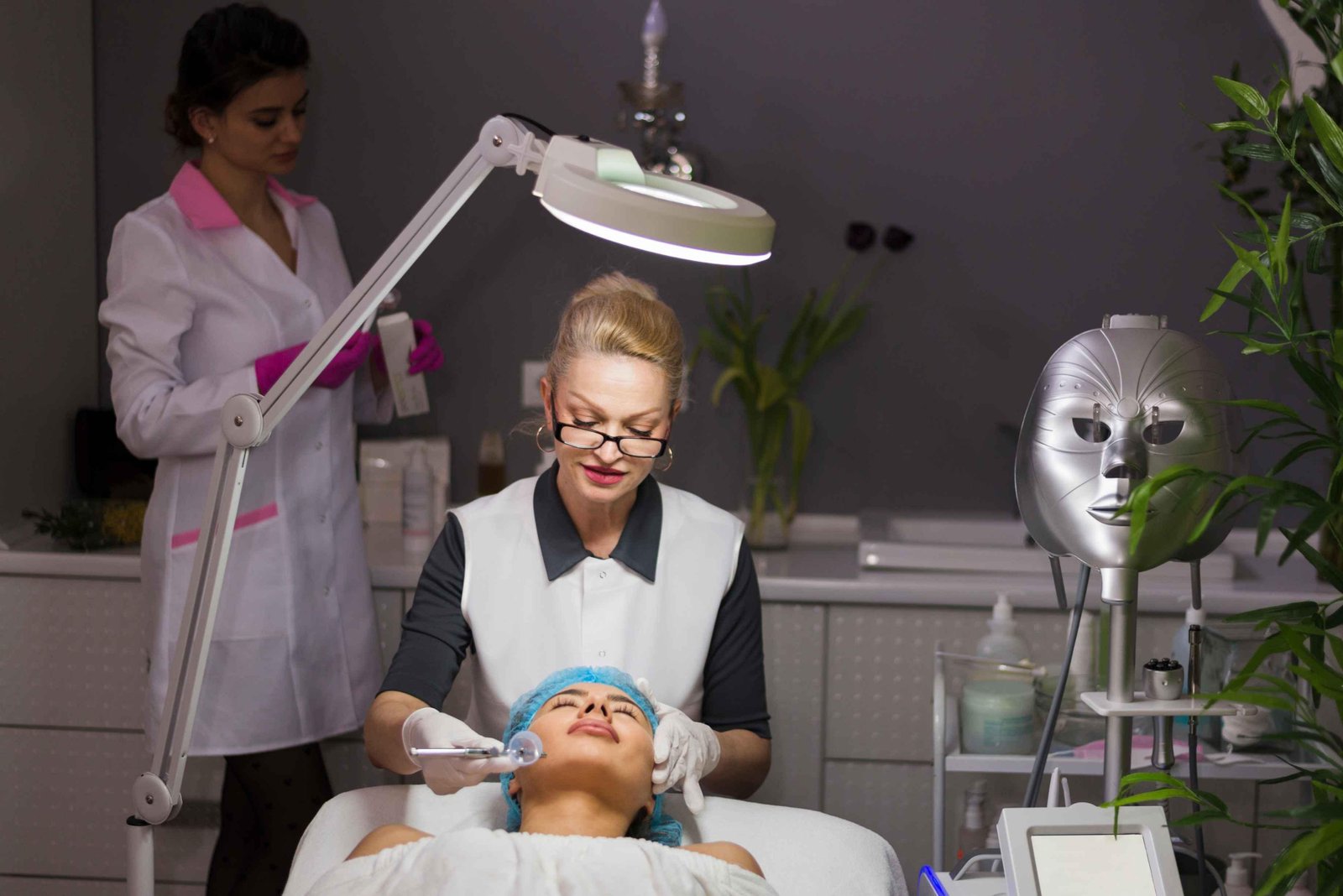
If you’ve been researching laser skin rejuvenation treatment in Raleigh, you’ve probably noticed that pricing can vary significantly from one clinic to another. While it may be tempting to focus only on the price tag, the cost of laser skin rejuvenation depends on several important factors, including the type of laser used, the provider’s expertise, the number of sessions required, and your individual skin concerns. Understanding these cost components can help you make an informed decision that balances both safety and results.
Type of Laser Technology Used
One of the biggest factors influencing cost is the type of laser technology selected for your treatment. There are ablative lasers, which remove the outer layer of skin for more dramatic resurfacing results, and non-ablative lasers, which work beneath the skin’s surface to stimulate collagen with minimal downtime. Fractional lasers, radiofrequency-assisted devices, and advanced multi-platform systems may also be used depending on your goals.
More advanced technology often comes with a higher price because of the equipment investment and the level of training required to operate it safely. However, these systems may provide more targeted results or require fewer sessions, which can influence overall value rather than just upfront cost.
Area Being Treated
The size and number of treatment areas also directly impact pricing. Treating a small, focused area—such as acne scars on the cheeks—will typically cost less than full-face rejuvenation or combined face and neck treatments. Larger areas require more time, energy output, and resources, which increases the overall fee.
Additionally, some patients choose combination treatments for enhanced results. For example, pairing resurfacing with pigmentation correction may involve multiple passes or technologies during the same visit. This level of customization can influence cost but may deliver more comprehensive improvement.
Number of Sessions Required
Laser skin rejuvenation is rarely a one-session solution. While some people see improvement after a single treatment, many require a series of two to four sessions for optimal collagen stimulation and long-term results. The number of sessions needed depends on factors such as skin condition severity, age, sun damage level, and desired outcome.
When considering Laser Skin Treatment in Raleigh, it’s important to ask whether the quoted price is per session or part of a package plan. Some clinics offer bundled pricing for multiple sessions, which may reduce the cost per treatment compared to paying individually.
Provider Expertise and Clinical Setting
The qualifications and experience of the provider performing the procedure play a major role in pricing. Treatments performed under medical supervision or by highly trained professionals may cost more, but they often offer increased safety, precision, and personalized care.
Laser procedures are medical-grade treatments that require proper skin assessment and knowledge of potential complications. A provider’s ability to adjust settings based on skin tone, sensitivity, and medical history is critical for avoiding side effects such as burns or pigmentation changes. While lower-cost options may seem attractive, expertise and safety should never be compromised when it comes to laser procedures.
Skin Condition and Customization
Each patient’s skin is unique. Someone seeking mild brightening and texture improvement will have different needs compared to someone addressing deep wrinkles, severe acne scars, or significant sun damage. The more complex the condition, the more customized the treatment plan may need to be.
Customization may involve adjusting laser intensity, layering treatments, or incorporating complementary procedures. While this tailored approach can increase cost, it often improves outcomes and reduces the likelihood of complications. Personalized planning ensures the treatment matches your specific skin type and long-term goals.
Geographic Location and Market Demand
Location also affects pricing. Clinics in larger metropolitan areas or high-demand markets may charge more due to higher operational costs, rent, and demand for aesthetic services. However, higher pricing in competitive areas may also reflect access to newer technologies and advanced training.
When comparing prices, it’s important to evaluate what is included—consultation fees, follow-up visits, aftercare products, and any additional treatments. The lowest advertised cost may not always represent the total investment.
Long-Term Value vs Upfront Cost
Instead of focusing only on the immediate expense, consider the long-term value of laser skin rejuvenation. Effective treatments can reduce the need for multiple skincare products, temporary cosmetic solutions, or frequent superficial treatments that provide minimal results. By stimulating collagen and improving skin structure, laser treatments often deliver benefits that continue developing over several months.
Choosing a qualified provider and appropriate technology may cost more initially but can lead to safer procedures, fewer complications, and better long-term results. In many cases, quality treatment reduces the need for corrective procedures later.
Conclusion
The cost of laser skin rejuvenation depends on several variables, including technology type, treatment area, number of sessions, provider expertise, and individual skin needs. Rather than comparing prices alone, it’s essential to evaluate safety standards, customization, and expected results. A thorough consultation can help determine the most appropriate plan based on your goals and skin condition. When considering laser skin care treatment in Raleigh, understanding these cost factors will help you make an informed decision that prioritizes both value and skin health.

 English
 Arabic
 French
 Spanish
 Portuguese
 Deutsch
 Turkish
 Dutch
Dutch
 Russian
 Romaian
 Portuguese (Brazil)
 Greek
Greek