

How Can Zakat Donations Transform Lives Today
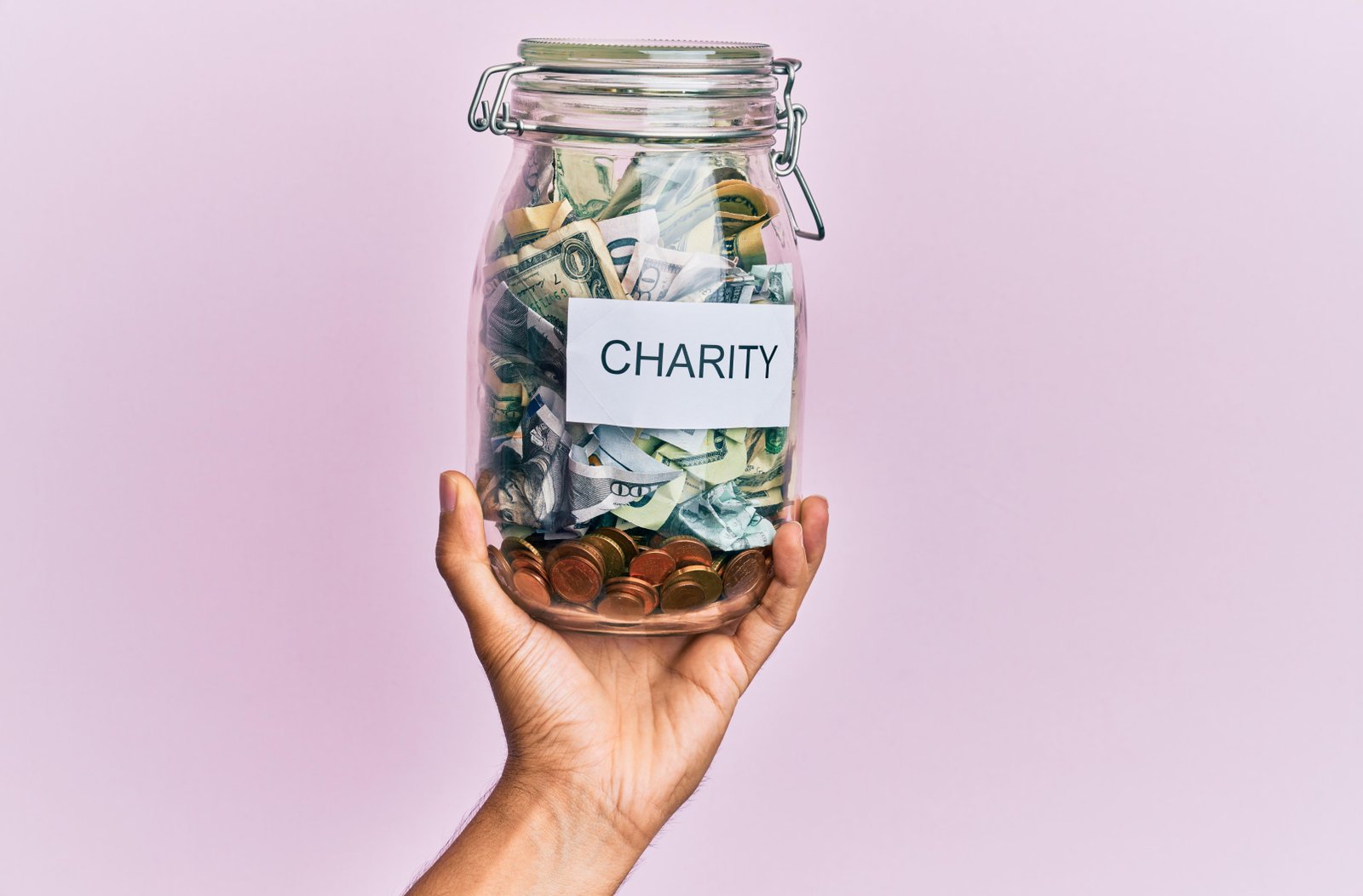
Zakat isn't just an item on a religious checklist. It is a massive, built-in social safety net. When it’s done right, it does more than just give out cash; it restores a person’s dignity.
Right now, families everywhere are hitting a wall. Inflation is high, jobs are scarce, and one medical emergency can ruin a household. This is where structured zakat donations come in. If we manage this money transparently, we aren't just putting a band-aid on poverty, we are building a foundation for people to stand on their own.
The Real Purpose Behind The Pillar
Zakat is one of the big five in Islam for a reason. It requires anyone with extra wealth to give a set slice of it, usually 2.5%, to those who are struggling. But look closer: the goal is economic balance. It’s a way to keep wealth from just sitting in a few bank accounts while the rest of the community starves.
Islamic scholars will tell you it’s about purifying your money. Historically, this system was the backbone of local economies. When managed well, it can bridge the gap between the rich and the poor in a way that regular taxes just don't.
Why "Guesswork" Charity Doesn't Work
Not all giving is created equal. If you just hand out food bags once a year, you’re helping people survive the week. But if you use zakat donations to fund things like vocational training or small business grants, you’re helping them survive for life.
Experts in Islamic finance are pushing for structured giving. This means making sure the money goes to the eight specific categories mentioned in the Quran like the poor, the debt-ridden, and the wayfarers. When you use a verified system, you know the money is hitting the ground where it's needed most.
Giving In The 2020s
The way we give has changed. Most people don't carry stacks of cash to a local office anymore. They donate zakat online. Why? Because it’s fast, and you get a receipt instantly.
Modern platforms let you do a few key things:
-
Zakat Calculators: No more scratching your head over how much you owe on your gold or savings.
-
Direct Cause Selection: You can choose to send your money specifically to orphans, medical clinics, or clean water projects.
-
Impact Tracking: You can actually see where your money went.
This isn't just a young person trend. Digital philanthropy is growing because it’s transparent. In 2026, trust is everything. If you can’t see the impact, you’re less likely to give.
Does It Actually Change Lives?
Yes, it does. Think about a mother who lost her husband and can’t pay rent. Zakat covers her housing. Or a student who has the brains to be a doctor but no money for tuition. Zakat pays the fees.
Economic analysts have found that when zakat is targeted, it acts as a multiplier. It helps people clear their debts, which lets them start spending in their local markets again. It’s a cycle of growth, not just a one-way street.
How To Give Responsibly
Don't just click the first Donate button you see. Giving is a trust.
-
Check the Nisab: Make sure you actually meet the threshold before you pay.
-
Verify the Channel: Use platforms that have audited financial statements.
-
Look for Long-Term Projects: Prioritize groups that teach skills, not just hand out temporary relief.
At the end of the day, Zakat is a social contract. It’s a promise that if you have enough, you won't let your neighbor fall.
FAQs
Who is required to pay zakat
Any Muslim adult who meets the nisab threshold and holds qualifying assets for one lunar year must pay zakat.
How is zakat calculated
Zakat is typically calculated as 2.5 percent of eligible savings and assets held for one lunar year. It is important to consult reliable calculation guidelines.
Is it safe to donate zakat online
Yes, if the platform uses secure payment systems and provides transparent reporting. Donors should always verify credibility before contributing.
Can zakat be used for long-term development projects
Yes, as long as recipients fall within eligible categories defined in Islamic teachings.
Why is transparency important in zakat management
Transparency builds trust, ensures accountability, and confirms that funds reach those who truly qualify.

 English
 Arabic
 Spanish
 Portuguese
 Deutsch
 Turkish
 Dutch
Dutch
 Italiano
 Russian
 Romaian
 Portuguese (Brazil)
 Greek
Greek