

Why Special Education Matters For Pakistan's Future
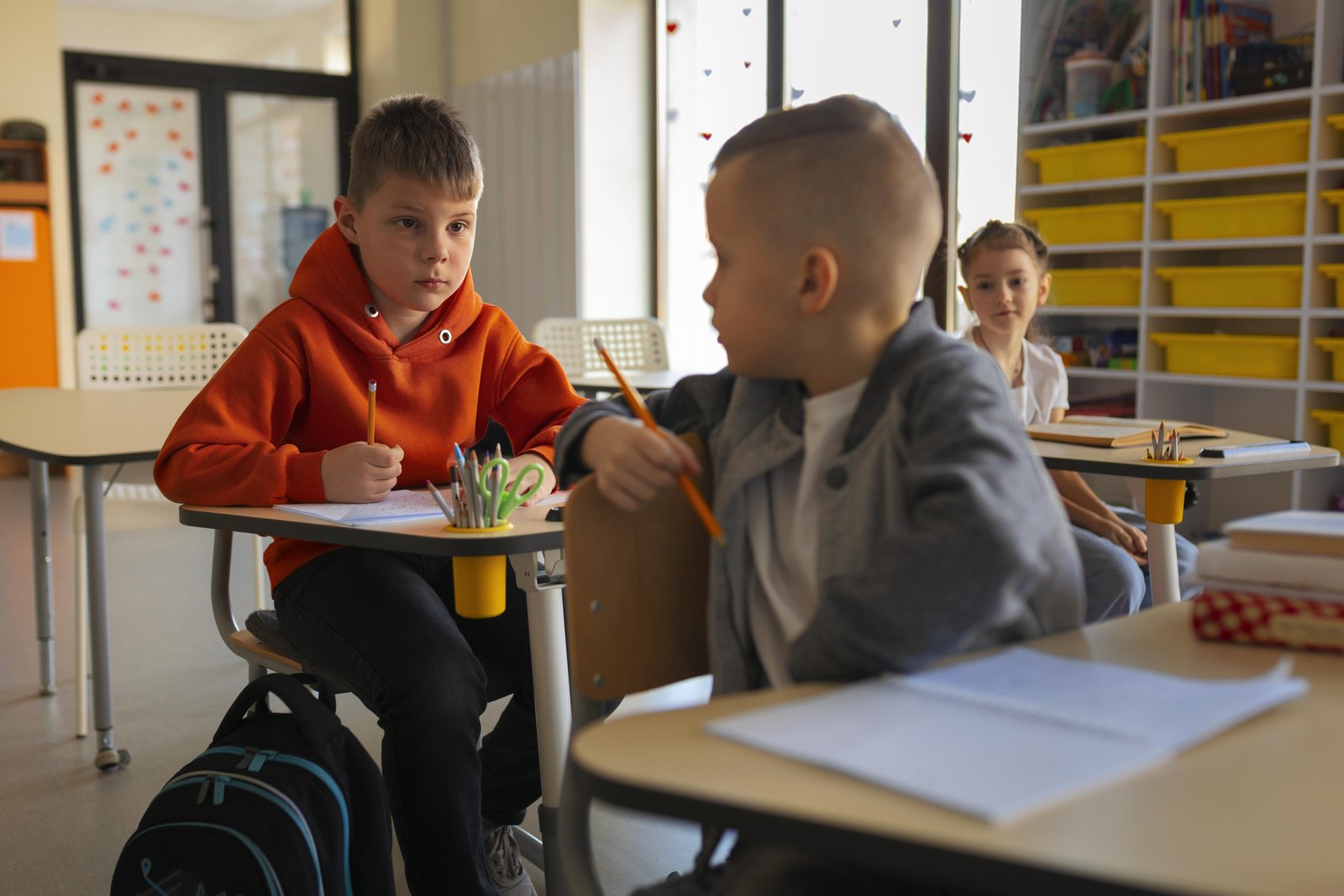
Look, we need to stop viewing special education as some kind of extra or a side project. In a country like Pakistan, where millions of children live with disabilities, inclusive learning is not just a nice idea. It is the backbone of a functional society. When we lock these kids out of classrooms, we are not just failing them. We are throwing away massive amounts of human potential that the country desperately needs.
Here is the straight talk on why the importance of special education in Pakistan is the real key to a stronger future.
The Problem With One Size Fits All
Every child learns differently, but for kids with physical, intellectual, or sensory challenges, a standard classroom can feel like a brick wall. Special education is about breaking that wall down. It uses personalized methods and assistive tech to meet a kid where they are.
Experts will tell you that the first five years are everything. If a child with autism or a hearing impairment gets support early, they gain the independence they need to thrive. If they do not, they fall behind. Not because they are not smart, but because the system was not built for them.
The Gritty Reality On The Ground
Pakistan is home to a huge population of children who need extra help, but the gap between cities and villages is massive. If you live in Lahore or Karachi, you might find decent special education schools in Pakistan with trained therapists. But if you are in a small town or a rural village, you are often on your own.
Recognizing the importance of special education means fixing this geographic lottery. It means making sure a kid in a remote corner of Sindh or KP has the same rights as a kid in a capital city.
Why Inclusion Makes Us All Smarter
When you put kids of all abilities in the same environment, something cool happens. Empathy grows.
-
For the students: Kids without disabilities learn respect and patience. They stop seeing "differences" as scary.
-
For the economy: Studies show that inclusive education can slash long term poverty. When people with disabilities are educated, they join the workforce. They start businesses. They contribute to the GDP instead of being forced into dependency.
The People Actually Doing The Work
Since the government can not be everywhere at once, special education NGOs in Pakistan have stepped up in a big way. These groups are often the ones providing the actual therapy, the teacher training, and the vocational skills that help young adults find jobs.
These NGOs do not just teach the kids. They empower the parents. They take the shame out of disability by showing families that their children have a future. Whether it is sign language for the deaf or behavioral support for kids with Down syndrome, these organizations are the ones keeping the dream alive in underserved areas.
The Tech Edge In 2026
We have tools now that did not exist a decade ago.
-
Screen readers for the blind.
-
Speech to text for kids with mobility issues.
-
Remote therapy via apps for families who can not travel to a big city.
Technology does not replace a good teacher, but it gives that teacher a massive advantage in reaching kids who were previously "unreachable."
The Bottom Line
A nation is only as strong as its most vulnerable citizens. Special education is not a charity project. It is a right. When we invest in special education schools in Pakistan and support the work of special education NGOs in Pakistan, we are building a country that actually values every life.
It is time to stop talking about disability and start talking about ability. When we give every child the tools to succeed, the whole country wins.
FAQs
What is special education?
Special education refers to teaching methods designed for children with disabilities who need additional support to learn effectively.
Why is there the importance of special education in Pakistan?
It ensures equal learning opportunities, promotes independence, and allows children with disabilities to reach their full potential.
Are there enough special education schools in the country?
While the number is growing, demand still exceeds supply, especially in rural areas.
How can families find support?
Families can consult local schools, hospitals, or community groups that offer assessments and therapy services.
What role does society play?
Society plays a vital role by reducing stigma, supporting inclusive policies, and encouraging awareness about disability rights.

 English
 Arabic
 French
 Spanish
 Portuguese
 Deutsch
 Turkish
 Dutch
Dutch
 Italiano
 Russian
 Romaian
 Portuguese (Brazil)