

Oil Tank Removal Near Me NJ: Step by Step
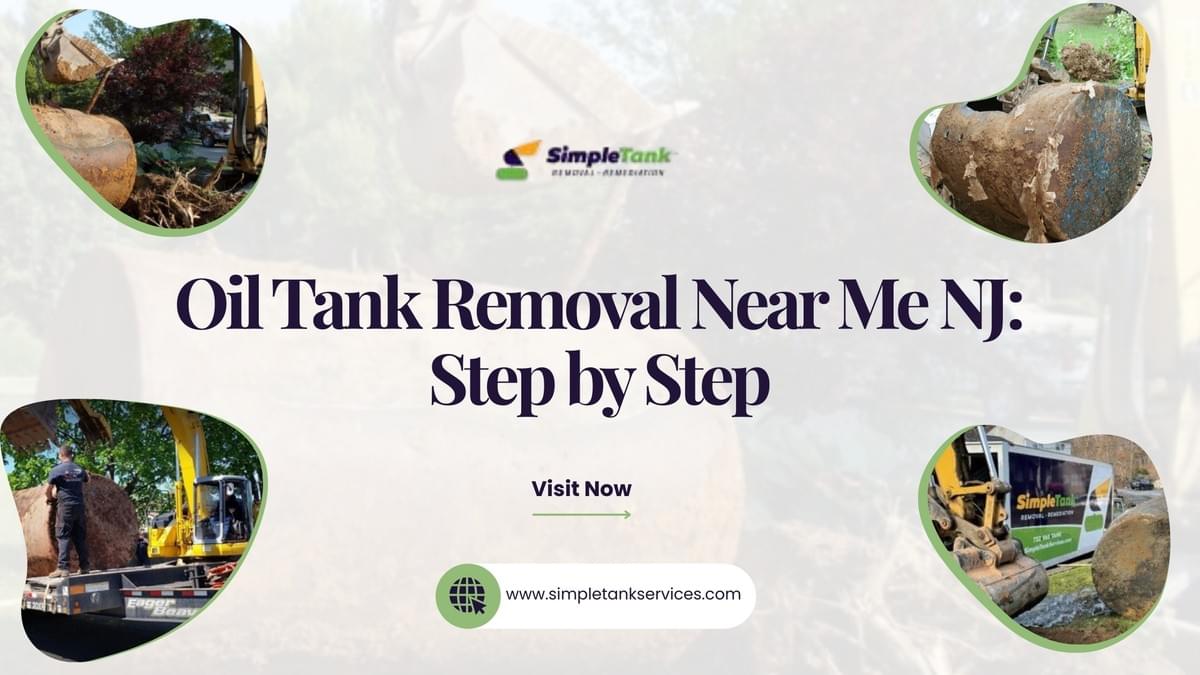
Most New Jersey homeowners discover buried oil tanks when they least expect them. Maybe you're selling your house. You may be planning a new deck, and the contractor finds something underground.
Whatever the case, you've got an old tank sitting beneath your property that's either already causing problems or about to. Leaking tanks contaminate soil. They create legal headaches. They kill real estate deals.
Getting professional Oil Tank Removal Near Me NJ handled isn't really optional if you want to follow NJDEP regulations and keep yourself protected.
Step 1: The Initial Look-Around
Here's where it all starts. A site visit happens first to see what you're actually dealing with. The tank's size matters. Where it's buried matters. What condition it's in matters too.
Sometimes crews use magnetometers to find tanks that aren't easy to spot from above. This initial check keeps you from getting surprised later and makes sure the crew doesn't dig up more of your yard than they need to.
Step 2: Getting Permits and Lining Things Up
Next comes the paperwork side. You'll need local permits approved before anyone starts digging. Utility companies have to mark their lines so nobody accidentally hits a gas or electrical line.
The whole thing usually takes about five to seven business days to get rolling. Licensed contractors take care of the NJDEP paperwork and set up the inspections. Skip this step, and your project basically stops dead.
Step 3: Prepping the Site and Cleaning the Tank
The crew protects your landscaping with plywood so their equipment doesn't trash everything. They excavate carefully with rubber-tracked machines that won't tear up your ground.
They pump out whatever oil and sludgareis still in the tank. The inside gets cleaned to meet disposal standards. It's not glamorous work, but it's necessary.
Step 4: Pulling the Tank and Checking It Over
Once the tank's clean, they lift it out. A township inspector comes by to look for any leaks or damage.
Clean tank? Great. It goes to a licensed facility for proper disposal, and you move on to the next step. Leaking tank? That gets documented. You'll know what you're dealing with instead of finding out later when it becomes someone else's problem to discover.
Step 5: Testing Soil and Fixing Problems if They Exist
Soil samples get pulled from where the tank was buried and sent to a lab for testing. Sometimes contamination turns up. When that happens, Soil Remediation NJ becomes your next step.
The contaminated soil gets removed. They bring in clean fill to replace it. Then they test again to make sure everything's good.
Once NJDEP gives the all clear, you get a No Further Action letter. The crews handle all the fieldwork, including groundwater treatment and backfilling to rough grade.
Step 6: Finishing Up and Paperwork
The excavation gets backfilled, and your yard gets restored. You'll get closure reports that protect your property value and make sure future buyers won't inherit any surprises.
Final Words
Getting soil remediation services in NJ, along with tank removal, keeps your property safe and keeps you on the right side of the law. Simple Tank Services takes care of the whole process from beginning to end. For more information, visit our website.

 English
 Arabic
 French
 Spanish
 Portuguese
 Deutsch
 Turkish
 Dutch
Dutch
 Russian
 Romaian
 Portuguese (Brazil)
 Greek
Greek