

Blood Test at Home: Sample Collection Explained
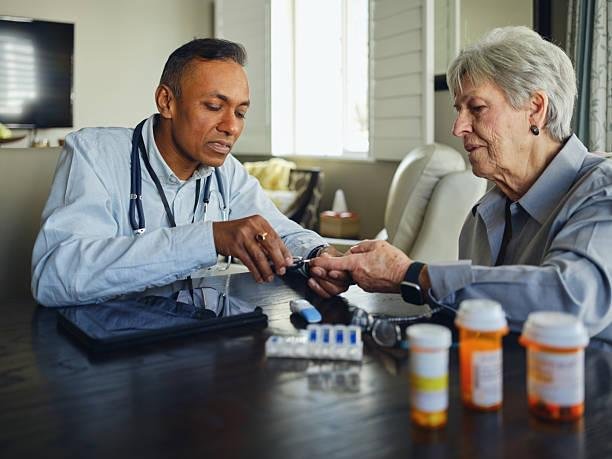
A Blood Test at Home in Dubai allows a trained healthcare professional to collect a blood sample at the patient's preferred location. Understanding the collection process can help patients prepare properly and feel more comfortable before their appointment.
What Is Home Blood Sample Collection?
Home blood sample collection involves obtaining a blood specimen outside a traditional laboratory or clinic setting.
A trained healthcare professional uses appropriate equipment to collect the required amount of blood before the sample is prepared for laboratory analysis.
Why Is Professional Collection Important?
Proper sample collection is an important part of laboratory testing.
Correct identification, appropriate collection techniques, suitable containers, and proper handling can help ensure that the sample is prepared for the requested investigations.
Professional Equipment
Sterile needles, collection tubes, protective supplies, and other appropriate equipment are used according to the testing requirements.
Correct Sample Handling
After collection, the sample must be labeled and handled according to the requirements of the laboratory tests.
Blood test Collection at Home
During a Blood test, the healthcare professional generally prepares the collection area, cleans the skin, and uses a sterile needle to obtain the required sample.
The blood is then transferred into suitable collection tubes.
What Happens Before the Blood Draw?
The healthcare professional may confirm the requested investigations and review any preparation instructions.
Depending on the tests, you may need to fast or follow other instructions before the appointment.
Is Fasting Required?
Fasting depends on the specific blood investigations being performed.
Some tests require no fasting, while others may require a period without food. If fasting is necessary, clear instructions should be provided.
Can You Drink Water Before Collection?
For some fasting investigations, plain water may be permitted.
However, requirements vary, so patients should follow the instructions provided by their healthcare professional or testing provider.
What About Medication?
Some medications can influence specific laboratory measurements.
Patients should not stop or change prescribed medication unless instructed to do so by a qualified healthcare professional.
How Is the Collection Area Prepared?
The healthcare professional selects a suitable location for the blood draw and cleans the skin before inserting the sterile needle.
Maintaining appropriate hygiene is an important part of sample collection.
Is the Needle Insertion Painful?
Most people experience a short pinch or mild discomfort when the needle enters the vein.
The sensation is usually brief, although individual experiences can vary.
Can Bruising Occur?
Minor bruising or tenderness can sometimes develop at the collection site.
These effects are generally temporary, but patients should follow professional advice if they have concerns afterward.
What If You Are Afraid of Needles?
If you feel anxious about needles, tell the healthcare professional before collection.
Being aware of your concerns can help the professional approach the procedure in a more comfortable manner.
What If You Feel Dizzy?
Some people may feel lightheaded during or after blood collection.
If you have previously experienced dizziness or fainting during blood tests, inform the healthcare professional before the procedure.
What Happens After the Blood Is Drawn?
Once the required sample has been collected, the needle is removed and pressure is applied to the area.
A small bandage may be placed over the collection site.
How Is the Sample Labeled?
The collected sample needs to be correctly identified according to the testing requirements.
Accurate labeling is important because laboratory results must correspond to the correct patient and requested investigations.
How Is the Sample Transported?
The sample is prepared and transported according to the requirements of the requested laboratory tests.
Appropriate transportation and handling help maintain the sample's suitability for analysis.
What Tests Can Be Collected at Home?
The available investigations depend on the home testing provider.
Suitable tests may include complete blood counts, glucose testing, cholesterol testing, liver-related investigations, kidney-related tests, thyroid tests, and other laboratory assessments.
Are All Blood Tests Suitable for Home Collection?
No.
Some specialized investigations may have particular collection or handling requirements.
The provider can confirm whether the requested test is available for home sample collection.
How Long Does Collection Take?
The actual blood draw is generally brief.
The appointment duration can vary depending on the number of tests and samples required.
When Are Results Available?
Result timing depends on the type of laboratory investigation.
Routine tests may be processed sooner, while specialized investigations can require additional time.
How Should Results Be Reviewed?
Laboratory reports usually include measured values and reference ranges.
Results should be interpreted by considering symptoms, medical history, and other relevant clinical information rather than focusing on individual numbers alone.
Can Home Collection Replace a Medical Examination?
No.
Home sample collection only changes where the blood is collected. It does not replace a complete medical assessment when one is required.
Making Sample Collection More Convenient
Professional home collection can simplify suitable blood testing by allowing patients to provide samples in a familiar environment. Proper preparation, sterile collection, accurate labeling, and appropriate laboratory handling all contribute to an organized testing process.
For anyone considering a Blood Test at Home, speaking with a qualified healthcare professional can help explain the preparation requirements, collection procedure, available investigations, and appropriate interpretation of the results.

 English
 Arabic
 French
 Spanish
 Portuguese
 Deutsch
 Dutch
Dutch
 Italiano
 Russian
 Romaian
 Portuguese (Brazil)
 Greek
Greek