

How Sport-Specific Training Improves Athletic Performance
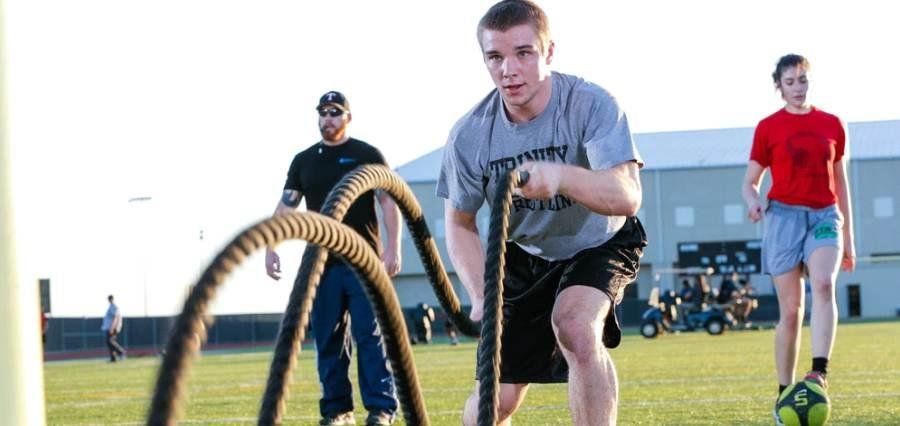
Athletic performance is the product of deliberate, targeted, and expertly applied physical preparation. Effort and dedication are necessary but categorically insufficient for reaching true competitive potential. The most important variable separating good athletes from genuinely great ones is training specificity. Generic fitness programs develop broad physical qualities that rarely transfer fully to competitive performance. The body adapts specifically and proportionately to the precise demands applied through training. Training that closely mirrors competition demands produces the most applicable physiological adaptations. Sport-specific training applies this principle with scientific rigor and genuine individualization. It develops the exact physical qualities, movement patterns, and energy systems each sport demands. Understanding how this approach improves performance reveals why it is essential for every serious competitive athlete.
The Scientific Principle Driving Sport-Specific Training Effectiveness
The specificity principle is the cornerstone of all effective athletic performance training. It establishes that physiological adaptation is specific to the demands placed on the body. An endurance runner who trains exclusively with heavy barbell strength work will not run faster. The adaptations produced are not sufficiently specific to the demands of distance running performance. A basketball player who trains only with steady-state aerobic cardio will not jump higher. The energy systems and neuromuscular demands of basketball are not addressed by steady-state cardio. Sport-specific training is designed comprehensively around this non-negotiable scientific principle. Every exercise selection is evaluated for its direct contribution to competitive sport performance. This specificity makes sport-specific training dramatically more efficient and competition-relevant than generic alternatives.
Sport Demand Analysis as the Performance Foundation
Effective sport-specific training always begins with rigorous and systematic sport demand analysis. The competitive sport is analyzed for its complete physiological and biomechanical performance requirements. Dominant energy systems — phosphocreatine, glycolytic, or aerobic — are accurately identified. Primary movement patterns are catalogued — linear, multidirectional, rotational, or explosive in nature. The most important physical qualities for competitive success are ranked by their performance relevance. Competition duration, work-to-rest ratios, and intensity patterns are all objectively documented. Position-specific demands within team sports are also individually and carefully considered. Individual athlete strengths, limitations, and current physical capacities are assessed alongside sport demands. This comprehensive analysis produces the precise blueprint from which all programming decisions flow.
Strength and Power Development in Sport-Specific Programs
Strength is the physical quality underpinning virtually all other athletic performance capacities. Greater strength directly and measurably produces more speed, power, and structural injury resistance. Sport-specific programs develop strength in precisely the manner each sport most competitively requires. A wrestler requires maximum relative strength and explosive contact force production. A volleyball player requires vertical explosive power and reactive upper body strength. A distance runner requires specific lower limb muscular endurance and running economy. These dramatically different strength profiles require equally different and specific training programming approaches. Sport-specific strength programming delivers precisely the strength quality that competition demands.
Explosive Power Training for Competitive Athletic Performance
Explosive power is among the most decisive physical qualities in the vast majority of competitive sports. Jumping, sprinting, throwing, striking, and change-of-direction actions all require high power output. Sport-specific power training develops the precise power expression each specific sport demands. Olympic lifting variations including power cleans develop multi-joint explosive athletic power. Plyometric progressions develop the elastic, reactive power central to agility and jumping sports. Ballistic exercises including medicine ball throws develop rotational and horizontal explosive power. For athletes committed to developing this level of competition-relevant physical capacity, sport specific training with a qualified and experienced sport conditioning professional provides the precisely analyzed, individually designed programs that produce measurable and directly competition-relevant athletic performance improvements. Consistent, expertly programmed explosive power development produces compounding performance gains across an entire competitive career.
Speed, Agility, and Reactive Quickness in Sport-Specific Training
Speed and agility are among the most decisive performance differentiators at every competitive level. They are also among the most significantly trainable qualities with the right methodology. Sport-specific speed training begins with individual sprint mechanics analysis and precise technical correction. Corrections to acceleration mechanics and maximum velocity form produce immediate measurable speed improvements. Resisted sprint training develops the specific muscular strength component of each sport's relevant speed. Plyometric training develops the elastic power component of multidirectional athletic agility. Reactive agility drills develop the ability to read and explosively respond to competitive stimuli. These components are systematically integrated within the overall sport-specific training program. Consistent, professionally guided speed and agility development produces genuinely meaningful competitive improvements.
Energy System Development for Sport-Specific Endurance
Athletic endurance is not a single generalized physiological quality — it is deeply sport-specific. The primary energy system powering competition varies dramatically between different sports. Explosive sprint sports are dominated by the phosphocreatine energy system above all others. Team sports including soccer, basketball, and rugby rely heavily on the glycolytic system during intense phases. Distance sports like cycling and rowing depend primarily on the oxidative aerobic energy system. Most competitive sports demand overlapping contributions from multiple energy systems simultaneously. Sport-specific conditioning accurately identifies each sport's unique energy system demand profile. Training is then designed to develop each relevant system in precisely the correct proportion. Athletes emerge physiologically prepared specifically for what their competitive sport demands.
Biomechanical Analysis and Technical Performance Improvement
Physical qualities are most powerfully expressed through technically excellent and efficient movement. Sport-specific training includes biomechanical analysis of the athlete's key sport movement patterns. Movement inefficiencies that waste energy and limit performance are precisely identified. Corrective exercises and technique coaching address identified inefficiencies systematically. A sprinter with asymmetrical running mechanics wastes significant energy on every competitive stride. Correcting this asymmetry immediately and measurably improves both speed and running economy. A throwing athlete with poor kinetic chain sequencing loses measurable velocity on each throw. Correcting sequencing produces immediate competitive throwing performance improvement without additional effort. Biomechanical refinement produces some of the most immediate performance improvements observable in sport preparation.
Periodization for Peak Competitive Timing
Sport-specific training programs are not designed for individual sessions but planned across entire competitive seasons. Intelligent periodization organizes all training to ensure physical peak performance at critical competitive moments. Off-season training builds broad physical foundations and addresses identified individual weaknesses. Pre-season training develops sport-specific fitness and integrates physical qualities with technical skills. In-season training maintains physical capacities while strategically managing accumulated competitive fatigue. Post-season recovery allows complete physical and psychological regeneration before the next preparation cycle. Each phase has distinct training volumes, intensities, and exercise selections designed for the phase objective. Strategic tapering before major competitions allows accumulated fatigue to dissipate while fitness is maintained. Periodization ensures that athletes arrive at competition feeling physically prepared, powerful, and genuinely ready to perform.
Mental Performance Development in Sport-Specific Programs
Physical preparation is necessary but insufficient alone for peak competitive athletic performance. Mental performance qualities are equally important determinants of competitive outcomes at high levels. Competitive focus, composure under pressure, and psychological resilience are all genuinely trainable. Sport-specific programs that integrate mental performance development produce athletes who perform at qualitatively higher levels. Visualization, pre-performance routines, and breathing regulation are all evidence-supported mental performance tools. Athletes who develop mental skills alongside physical capacities consistently outperform purely physically-prepared peers. The integration of mental and physical preparation represents the complete approach to genuine athletic excellence.
Sport-specific training improves athletic performance because it is built on the scientific principle of training specificity. Every exercise, conditioning session, and recovery protocol is precisely designed to serve competition performance. The result is faster development of competitive-relevant physical qualities, better energy system preparation, and superior movement efficiency. Athletes who invest in professionally designed sport-specific programs consistently reach higher competitive levels than those relying on generic training. Your athletic potential is genuinely best realized through training as specific and individualized as you and your sport truly are.

 English
 Arabic
 Spanish
 Portuguese
 Deutsch
 Turkish
 Dutch
Dutch
 Italiano
 Russian
 Romaian
 Portuguese (Brazil)
 Greek
Greek