

What Are the Most Common Sports Injuries?
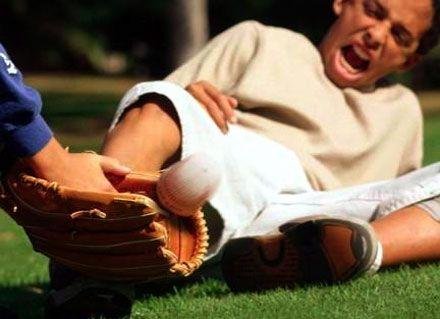
Sports injuries are an inevitable part of athletic participation at every level. From professional competitors to weekend fitness enthusiasts, injury disrupts training and performance. Some injuries resolve quickly with basic care while others require extended rehabilitation. Understanding the most common sports injuries helps athletes recognize, respond to, and prevent them. Early identification and appropriate treatment consistently produce the fastest and most complete recoveries. Knowledge is one of the most powerful tools available to any athlete.
Why Sports Injuries Are So Prevalent
The physical demands of sport place significant and repetitive stress on the musculoskeletal system. Muscles, tendons, ligaments, and joints are constantly challenged to perform under load. When the demand exceeds the tissue's adaptive capacity, injury occurs. Training errors, poor technique, inadequate recovery, and biomechanical faults all increase injury vulnerability. Understanding these risk factors helps athletes make smarter training and prevention decisions.
Two broad categories of sports injuries exist across all athletic disciplines. Acute traumatic injuries result from a single, identifiable event such as a fall or collision. Overuse injuries develop gradually from repetitive mechanical loading over weeks or months. Both categories require appropriate diagnosis and management to achieve full resolution. Recognizing which category applies to your injury guides the most appropriate initial response.
Ankle Sprains
Ankle sprains are the single most common sports injury across virtually all athletic disciplines. They occur when the ankle rolls beyond its normal range of motion, stretching or tearing ligaments. The lateral ankle ligament complex is most frequently affected, particularly the ATFL. Basketball, soccer, trail running, and court sports all carry high ankle sprain risk. The initial mechanism typically involves landing from a jump or changing direction on uneven ground.
Immediate swelling, bruising, and pain over the outer ankle are characteristic symptoms. The ability to weight-bear following a sprain helps assess severity clinically. Grade one sprains involve minor ligament stretching with minimal functional loss. Grade two sprains involve partial ligament tearing with moderate instability and functional limitation. Grade three sprains represent complete ligament rupture and significant joint instability requiring extended rehabilitation.
Inadequately rehabilitated ankle sprains lead to chronic instability and recurrent injury. Proprioceptive and strength-based rehabilitation is essential for preventing this chronic pattern. Many recurrent sprains result from the neuromuscular deficits left by inadequate initial rehabilitation.
Knee Ligament Injuries Including ACL Tears
Knee ligament injuries, particularly ACL tears, are among the most feared in all of sport. The anterior cruciate ligament stabilizes the knee against rotational and anterior shear forces. ACL tears most commonly occur without contact during deceleration, landing, or pivoting movements. Female athletes experience ACL injuries at higher rates than male athletes in comparable sports. Soccer, basketball, skiing, and football carry the highest ACL injury incidence across sports.
The characteristic mechanism involves a planted foot combined with sudden deceleration or direction change. Patients report hearing or feeling a pop followed by immediate swelling and instability. Most complete ACL tears require surgical reconstruction for athletes wishing to return to cutting sports. Rehabilitation following ACL reconstruction typically spans nine to twelve months minimum. Premature return to sport is the most common cause of re-rupture in this injury.
Medial collateral ligament sprains are also common and typically respond to conservative management. Posterior cruciate ligament injuries are less frequent and often occur from direct knee impact. Meniscal tears frequently accompany ligament injuries and require specific assessment and management. The knee's complexity makes thorough clinical and imaging evaluation essential for all significant knee injuries.
Hamstring Strains
Hamstring strains are the most common muscle injury in sprinting and kicking sports. The hamstring muscle group crosses both the hip and knee, creating complex loading demands. Strains most commonly occur during high-speed running when the muscle is maximally lengthened under load. The proximal myotendinous junction, where muscle meets tendon near the buttock, is the most frequent injury site. Sprinters, soccer players, and Australian rules footballers are the highest-risk athletic populations.
Sudden posterior thigh pain during sprinting with immediate performance limitation is characteristic. Palpable tenderness, bruising, and restricted hip flexion with knee straight confirm the diagnosis. Muscle strength testing quantifies the severity and guides rehabilitation progression. Return to sprinting speed before adequate hamstring strength recovery is the primary cause of re-injury. Eccentric hamstring strengthening programs dramatically reduce both primary and recurrent hamstring strain rates.
Rotator Cuff Injuries
Rotator cuff injuries are extremely common in throwing athletes, swimmers, and racquet sport players. The four rotator cuff muscles stabilize the shoulder during the dynamic demands of overhead sport. Tendinopathy from repetitive loading is the most common rotator cuff presentation in athletes. Full thickness rotator cuff tears are more common in older athletes with chronic tendinopathic changes. Acute partial tears can occur in young athletes during high-velocity overhead movements.
Pain with overhead activity, reduced throwing velocity, and night pain are common presentations. Specific clinical tests identify which rotator cuff muscles are involved in the pathology. MRI confirms the extent of tendon damage and guides surgical versus conservative management decisions. Most partial thickness tears and tendinopathy respond to targeted rehabilitation without surgical intervention. Complete tears in high-demand athletes typically require surgical repair for adequate functional restoration.
Shin Splints and Stress Reactions
Shin splints describe the anterior or medial tibial pain common in runners and jumping sport athletes. Medial tibial stress syndrome involves periosteal inflammation along the inner tibia from repetitive loading. Training load errors including sudden mileage increases are the most common precipitating factor. Runners transitioning from soft to hard surfaces are particularly vulnerable to this condition. Foot overpronation and running shoe wear also contribute to medial tibial stress syndrome development.
Left untreated, shin splints can progress to tibial stress fractures, which are far more serious. Localized bony tenderness and pain during activity that does not improve with warming up suggest stress fracture. MRI or bone scan confirms the diagnosis when clinical findings are suspicious. Stress fractures require significant reduction in loading and may require non-weight-bearing for resolution. Prevention through progressive training load management is far preferable to managing this serious progression.
When to Seek Professional Sports Injury Assessment
Many athletes attempt to self-manage sports injuries with rest and basic home care initially. While this is appropriate for very minor injuries, professional assessment is often necessary. Any significant swelling, instability, or inability to bear weight after injury warrants prompt evaluation. Neurological symptoms including numbness or weakness require urgent clinical assessment. Symptoms that do not improve within two weeks of basic care deserve professional investigation.
Seeking care from a provider specializing in sports injury chiropractic ensures that your injury is assessed through a sports medicine lens, with evaluation of the full kinetic chain, biomechanical contributors, and sport-specific rehabilitation requirements that general medical care often misses.
Conclusion
Sports injuries span a wide range of tissues, mechanisms, and severity levels. Ankle sprains, ACL tears, hamstring strains, rotator cuff injuries, and shin splints represent the most common presentations. Each requires accurate diagnosis, appropriate initial management, and progressive rehabilitation for full recovery. Understanding these injuries helps athletes respond appropriately from the moment of injury. Professional assessment and sports-focused rehabilitation consistently produce the fastest, safest, and most complete return to sport.

 English
 Arabic
 French
 Spanish
 Portuguese
 Deutsch
 Turkish
 Dutch
Dutch
 Italiano
 Russian
 Romaian
 Greek
Greek