

What to Expect at Your First HRT Appointment
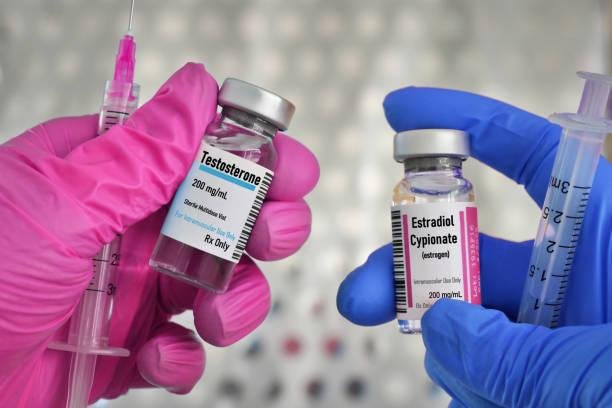
A lot of people sit on the idea of hormone therapy for months, sometimes longer, before they actually book an appointment. The symptoms are real: the fatigue that coffee can't fix, the weight that won't budge no matter what you eat, the mood swings that feel completely out of character. But the uncertainty about what actually happens at that first visit keeps people stuck. What will they test? How long before you feel anything? Is it going to be a weird, clinical experience? These are fair questions. Here's an honest breakdown of what that first appointment typically looks like, so you can stop overthinking it and just go.
If you're in southwest Florida and trying to find the Best Hormone Replacement Therapy in Cape Coral, FL, the process starts with a straightforward consultation, not a sales pitch, not a long wait, just a real conversation about what's going on with your body.
The Initial Consultation: More Conversation Than Exam
Don't walk in expecting a full physical right off the bat. The first appointment is mostly a conversation. Your provider will ask you about your symptoms in detail, how long you've had them, how they're affecting your daily life, your sleep, your energy, your sex drive, all of it. Nothing is off-limits, and good providers have heard it all.
They'll also go through your health history. Past diagnoses, current medications, family history of things like heart disease or certain cancers, all of that matters when building a safe plan. You'll probably be asked about your goals too, which sounds a bit odd at first, but it helps the provider understand whether you're trying to feel more energetic, sleep better, lose weight, or manage something more specific like perimenopause or low testosterone.
Bring a list of your current symptoms if you can. Seriously. People forget half of what they wanted to say once they're sitting in the office. Writing it down beforehand saves time and makes sure nothing gets left out.
Which Lab Tests Get Ordered and Why
After the consultation, you'll almost certainly get bloodwork ordered. This is where the real picture comes together. Labs vary a bit depending on your symptoms and sex, but most providers order a panel that covers the major hormones. Worth knowing what each one actually tells them.
-
Estrogen and progesterone: Key for women, especially around perimenopause and menopause. Low levels show up as hot flashes, poor sleep, mood instability, and vaginal dryness.
-
Testosterone: Tested in both men and women. Low testosterone causes fatigue, low libido, brain fog, and muscle loss regardless of sex.
-
Thyroid hormones (TSH, T3, T4): Thyroid issues mimic hormone imbalance closely, so ruling this out (or addressing it) is part of the process.
-
Cortisol: Chronic stress tanks cortisol levels or throws off the daily rhythm, which messes with everything else downstream.
-
DHEA and SHBG: These influence how your body uses other hormones. Often overlooked but relevant.
Results usually come back within a few days. Some clinics do in-house testing that's faster. Either way, you're not waiting weeks. Once the numbers are in, your provider can actually build something specific to you rather than guessing. According to the National Institute of Child Health and Human Development, hormones regulate nearly every major body function, which is exactly why a full panel matters rather than testing just one or two markers.
How Your Personalized Plan Gets Built
This is where things get interesting. HRT isn't one-size-fits-all, not even close. Your plan is based on your actual lab numbers combined with your symptoms and your lifestyle. Two people with the same estrogen level might end up on completely different protocols depending on everything else going on.
Delivery method is a big part of the conversation. Options typically include pellets (tiny inserts placed under the skin that release hormones steadily over a few months), topical creams or gels, injections, and patches. Each has trade-offs. Pellets are convenient because you don't have to think about them daily. Creams offer more flexibility in dosing. Injections work fast. Patches are easy to use but can irritate skin in some people. Your provider will usually have a recommendation based on your labs and goals, but you get a say in it.
If you're looking at Hormone Replacement Therapy in Cape Coral, FL, one thing worth knowing is that local clinics tend to offer personalized consultations rather than cookie-cutter protocols. Beauty Body Weight Loss Clinic is one option in the area that people use specifically for this kind of individualized approach, combining hormone work with broader wellness goals.
The First Few Weeks: What to Actually Expect
Real talk: you probably won't feel dramatically different on day three. Some people do notice an early shift in sleep or mood, but for most, the first two to three weeks are a bit of a mixed bag. Some symptoms improve quickly. Others take longer. And some temporarily feel a bit more noticeable before they settle down, which can feel discouraging if you weren't warned.
This is normal. Your body is adjusting to a new hormonal environment. Think of it like starting a new exercise routine: the first couple of weeks are uncomfortable before things start clicking. Most people report meaningful changes in energy, sleep quality, and mood by weeks four to six. Weight-related changes usually take a bit longer, especially if other factors like diet or thyroid function are also in play.
Keep a simple log during this period. Note your sleep, energy levels, mood, and any side effects. That information becomes really useful at your follow-up appointment.
Follow-Up Appointments and Ongoing Monitoring
HRT isn't a one-and-done situation. Follow-ups are a normal part of the process, not a sign that something went wrong. Most providers schedule a check-in around four to six weeks after starting, then again at three months, and then roughly every six months once things are stable.
At those follow-ups, you'll repeat some of the bloodwork. The goal is to see how your hormone levels have responded and whether your dose needs adjusting. Dose adjustments are common, especially in the first three to six months. Starting lower and titrating up is the standard approach because it's safer and gives your body time to respond without overshooting.
Hormone Replacement Therapy in Cape Coral, FL providers will also ask how you're feeling subjectively, not just what the numbers say. Labs matter, but so does whether you're actually sleeping better, feeling less anxious, or noticing more energy. Both pieces of information guide the next steps.
Frequently Asked Questions
How long does the first HRT appointment usually take?
Most initial consultations run between 45 minutes and an hour. It's longer than a standard doctor's visit because the provider needs a full picture of your symptoms and history before ordering labs or recommending anything. Don't rush it.
Do I need to fast before my hormone blood test?
It depends on what's being tested. Some panels, especially those that include blood sugar or cholesterol markers, require fasting for 8 to 12 hours. Your clinic will tell you ahead of time. When in doubt, call and ask before your appointment.
Can men get HRT too, or is this just for women?
Absolutely men can. Low testosterone is extremely common in men over 40, and it causes real symptoms: fatigue, poor concentration, reduced muscle mass, low libido. The process is essentially the same, consultation, labs, personalized plan, follow-ups.
What if my labs come back normal but I still feel terrible?
This happens more than you'd think. "Normal" on a standard lab range doesn't always mean optimal for your body. A good provider will look at where your levels fall within the range, not just whether they technically cleared the threshold. Symptoms matter just as much as the numbers.
Is HRT safe long-term?
For most people, yes, especially with bioidentical hormones and proper monitoring. The risks vary based on your personal and family health history, which is exactly why the initial health history review matters. Your provider should walk you through any specific risks that apply to your situation before you start anything.
The Best Hormone Replacement Therapy in Cape Coral, FL isn't about finding the fanciest clinic. It's about finding a provider who actually listens, orders the right tests, and checks in regularly once you're underway. That combination is what turns a frustrating set of symptoms into a plan that actually works.

 English
 Arabic
 Spanish
 Portuguese
 Deutsch
 Turkish
 Dutch
Dutch
 Italiano
 Russian
 Romaian
 Portuguese (Brazil)
 Greek
Greek