

How Long Does Hornet Nest Removal Take?
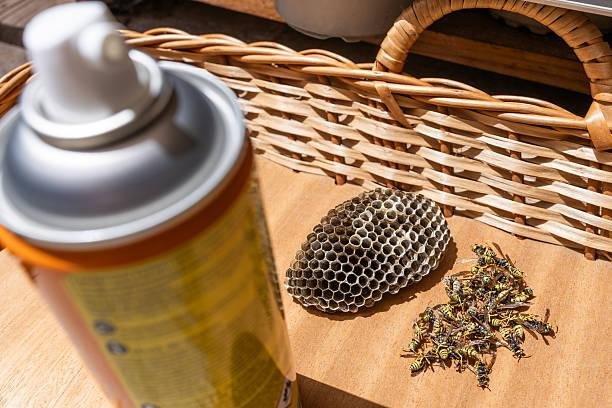
You spotted a nest yesterday. Now you're staring at it from a safe distance, trying to figure out whether you need to clear your whole afternoon or just step inside for half an hour while someone handles it. Honestly, this is one of the most common questions people have before they call a pest control company, and the answer isn't as simple as you'd hope. A lot depends on where the nest is, how big the colony has grown, and what species you're dealing with. If you're planning around a service call for Hornet Nest Removal in Cambridge ON, here's a realistic breakdown of what to expect from start to finish.
What Affects the Total Time Before Anyone Even Arrives
Scheduling matters more than people think. Most pest control companies in the Cambridge area can get to you within a day or two for active hornet situations, sometimes same-day if there's availability and the nest is in a spot that poses real risk. But if you're calling on a weekend or during peak summer months, you might wait two to four days. That's not wasted time, though. Knowing the nest is there and keeping people away from it is already half the battle.
Species plays a role too. Bald-faced hornets, which are actually a type of yellowjacket despite the name, tend to build large paper nests in trees or under eaves. European hornets go for hollow trees, wall voids, and attic spaces. The first type is usually quicker to treat because the nest is visible and accessible. The second type can drag the process out considerably, especially if the colony has been building inside a wall for weeks.
What Happens During the Actual Service Visit
The visit itself has a few distinct stages. Don't expect the tech to just spray and leave. Here's a rough breakdown of what a standard professional removal visit looks like:
-
Inspection: The technician walks the property, confirms the nest location, checks for secondary entry points, and assesses colony activity. This usually takes 10 to 20 minutes.
-
Treatment: A fast-acting insecticide is applied directly to the nest or into the entry point. For exposed aerial nests, this can take five minutes. For wall voids, the tech may need to drill one or two small access holes, which adds time.
-
Extraction (if applicable): Not every company removes the physical nest on the first visit. Some wait until the colony is confirmed dead, usually 24 to 48 hours later, before pulling the nest down.
-
Sealing and prevention advice: A good technician will point out areas where hornets are likely to rebuild and may seal entry points to prevent re-entry.
So the actual on-site visit? Usually 30 to 60 minutes for a straightforward, accessible nest. Give it up to 90 minutes if the location is awkward, the nest is large, or wall access is needed.
When One Visit Isn't Enough
This catches a lot of people off guard. Not every hornet situation wraps up in a single appointment. If the nest is deep inside a wall cavity, the treatment may need time to work through the colony before anyone can confirm it's fully eliminated. Hornets that were out foraging when the nest was first treated will return and find it. Most of them will pick up residual insecticide on contact, but it can take 24 to 72 hours for the whole colony to be affected.
For stinging insect nests that are hidden or structurally integrated, a follow-up visit is pretty standard. The technician comes back to check activity levels, remove the dead nest material if it wasn't pulled on day one, and reseal any openings. That second visit is usually shorter, maybe 20 to 30 minutes, but it does mean planning for two separate windows of time.
Late-season nests are also worth mentioning. A colony that's been active since spring can have several thousand workers by August. Bigger colony, more residual activity after treatment, longer wait before the area is fully clear. It's just the reality of dealing with a mature nest.
How Long Do You Need to Stay Away After Treatment
This part matters a lot if you have kids or pets. Most technicians will tell you to stay clear of the treated area for at least two to four hours after application. That's the minimum. If the nest is near a door, a play area, or an HVAC intake, you'll want to be more cautious and wait the full recommended period before letting anyone near it.
Pets are especially vulnerable because they're low to the ground and more likely to sniff around treated surfaces. Keep dogs and cats inside or away from the area for the rest of the day after treatment, not just for a couple of hours. That's the safer call.
If you've booked Wasp and Hornet Nest Removal in Cambridge ON and the nest is somewhere like a shed or detached garage, you can usually resume normal use of those spaces the following morning. Just don't go poking at the nest yourself the same evening, even if things look quiet. Stragglers return.
Factors That Stretch the Timeline Out Further
A few specific situations add real time to the whole process. Hidden nests inside wall cavities are the biggest one. The tech can't always see the full extent of the colony from the outside, so there's more investigation involved, and the treatment has to reach deep into the structure. That's a longer visit and almost certainly a follow-up.
Re-infestation risk is another thing people don't account for. If the original nest site isn't properly sealed or if the conditions that attracted hornets in the first place haven't changed, a new queen can start a fresh colony in the same spot the following spring. Pestxterminators handles this by combining treatment with site-specific prevention advice, which cuts down the odds of going through the whole process again next year.
Wasp and Hornet Nest Removal in Cambridge ON also gets more complicated when there are multiple nests on the same property. Two nests in different locations can mean two separate treatment zones, longer inspection time, and potentially staggered follow-up visits depending on how each colony responds.
Bottom line: for a single, visible, accessible nest, budget about an hour for the visit plus a half-day of keeping the area clear. For anything hidden, large, or inside a structure, plan for two visits across two to three days and don't expect to use that space freely until the follow-up confirms the colony is gone. Hornet Nest Removal in Cambridge ON doesn't have to be an ordeal, but it does take the time it takes, and rushing it usually just makes things worse.
Frequently Asked Questions
Can a hornet nest be removed the same day I call?
Sometimes, yes. It depends on the company's schedule and how urgent the situation is. Active nests near doors, windows, or areas where kids play are usually prioritized. But don't count on same-day service during peak season without calling early in the morning.
Do I need to be home during the removal?
Not always, but it helps. The technician may need access to certain areas of your property, and being there lets you ask questions and get specific advice about your situation. If you can't be home, make sure someone can grant access and that you've communicated the nest's location clearly beforehand.
What if hornets are still flying around after treatment?
That's normal for the first 24 to 48 hours. Foraging hornets that weren't in the nest during treatment will return and encounter the residual insecticide. Activity should drop off noticeably within a day. If you're still seeing heavy traffic after 72 hours, call the company back, because that might signal an untreated secondary nest nearby.
Is it safe to remove the nest myself to save time?
Honestly, not recommended. A nest with even a few hundred workers can send dozens of hornets at you within seconds of being disturbed. Without a proper suit and the right product applied correctly, DIY removal is a fast way to end up in a bad situation. The time you save isn't worth the risk.
How do I know if the nest is fully eliminated before the follow-up visit?
Watch for a drop in flying activity around the nest site. A dead or dying colony gets quiet pretty quickly. You shouldn't see hornets actively entering and exiting the nest after 48 hours if the treatment worked. If things still look busy, let the pest control company know so they can assess before the scheduled follow-up.

 English
 Arabic
 French
 Spanish
 Portuguese
 Deutsch
 Turkish
 Dutch
Dutch
 Italiano
 Russian
 Romaian
 Portuguese (Brazil)