

7 Things to Check Before Hiring a Wedding Videographer
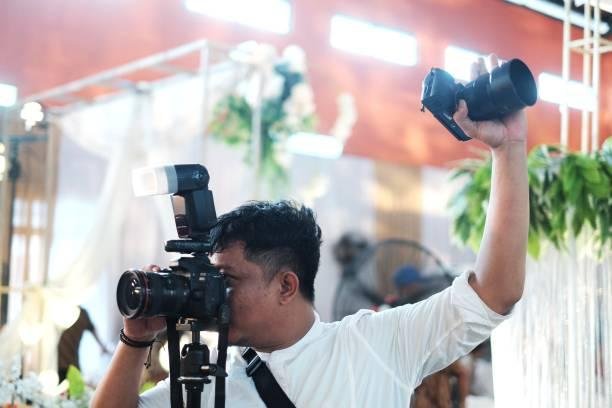
Booking a wedding videographer is one of the bigger calls you'll make during planning, and it's also one of the hardest to undo. Unlike a florist or caterer, if the footage comes out flat or the audio is a mess, there's no fixing it after the fact. That's the part that keeps couples up at night. I've talked to enough people who got burned by a beautiful highlight reel that masked a videographer who had no idea what they were doing on an actual wedding day. So before you hand over a deposit, here are seven things worth checking carefully. If you're searching for the Best Wedding Videographer in Boston, MA, these checkpoints apply just as much locally as they do anywhere else.
1. Watch More Than the Highlight Reel
Every videographer has a highlight reel. It's edited to the best three minutes of their best weddings, set to a song that makes you tear up. Of course it looks great. But a highlight reel tells you almost nothing about what your actual video will look like.
Ask to see a full-length ceremony edit and at least one full reception video. Thirty or forty minutes of footage is where consistency shows up, or doesn't. You'll notice if the color grading shifts randomly, if the camera shakes during the first dance, or if speeches get cut in ways that lose the emotional thread. Don't skip this step. It's the difference between knowing what you're buying and just guessing.
2. Match Their Style to What You Actually Want
There are three broad styles in wedding videography: cinematic, documentary, and hybrid. Cinematic leans into dramatic angles, slow motion, and heavy editing. Documentary is closer to a straight record of the day as it happened. Hybrid blends both. None of them is wrong, but one of them is wrong for you if it doesn't match your vision.
Watch samples with your partner and pay attention to how you actually feel watching them, not just whether they look "nice." Some couples love the movie-trailer style. Others find it overwrought and want to hear grandma's actual laugh, not a filtered version of it set to orchestral music. Know which camp you're in before you sign anything.
3. Read the Contract Like It Matters (Because It Does)
A solid contract protects both sides. But a lot of couples skim it and regret it later. Here's what to look for specifically.
-
Delivery timeline. How many weeks or months after the wedding will you receive your final video? Six months is common. More than a year is a red flag.
-
Raw footage ownership. Some videographers keep it. Some will hand it over for a fee. Know this upfront.
-
Backup equipment policy. What happens if a camera body fails mid-ceremony? A professional always has a backup.
-
Cancellation clause. If the videographer gets sick, has an emergency, or simply ghosts you, what's the plan? Who steps in? Do you get a refund?
If a videographer pushes back on any of these being in the contract, that tells you something. Good ones don't mind spelling things out.
4. Test the Audio, Not Just the Picture
This one gets overlooked constantly. People watch a sample video and focus on how it looks, but audio is half the emotional weight of any wedding film. Your vows, your dad's toast, the way the room laughed at something your best man said, that's what you'll want to hear in ten years.
Ask specifically how they capture audio. Wireless lavalier microphones on the officiant or groom are standard for ceremony audio. A good videographer will also place a recorder near the DJ or band's board for reception speeches. If they're relying only on the camera's built-in mic, that's a problem. Lavalier microphones pick up clean, close-range audio in a way that on-camera mics simply can't match in a large venue.
Listen to a sample video with your eyes closed for thirty seconds. If the audio sounds distant, muddy, or inconsistent, move on.
5. Ask About Venue Experience and Lighting
Not all venues are easy to shoot. A sun-drenched outdoor ceremony at noon is completely different from a candlelit reception in a brick basement. Some church ceremonies ban artificial lighting. Some ballrooms have horrible overhead fluorescent lighting that makes everyone look slightly ill on camera.
Ask your videographer directly: have you shot at this venue before? If not, will you visit or review photos of it beforehand? How do you handle low-light situations? Do you use artificial lighting for the reception, and if so, what kind? A videographer who's done Wedding Videography Services in Boston, MA across different venue types will have answers ready. Hesitation or vague non-answers here is worth paying attention to.
6. Find Out How They Work With the Photographer
Your photographer and videographer will be in the same spaces all day, often going after the same shots. If they haven't worked together before, or if they're the type to get territorial, it can create tension that affects both sets of footage.
Ask if they've collaborated with your photographer before, or at least if they're open to a quick pre-wedding call with them. The good ones welcome it. Granite Stag Photo and Video is one option people use specifically because their photo and video teams are built to work together from the start, which removes a lot of the coordination headache couples usually have to manage themselves.
Also ask about their second shooter or assistant situation. For larger weddings, one camera operator can't be everywhere. Two cameras means you don't miss the groom's face when the bride walks in.
7. Check Reviews Beyond the Website Testimonials
Every vendor's website testimonials are curated. Obviously. Look at Google reviews, wedding forums, and third-party platforms where they can't control what gets posted. Look for patterns, not just individual comments.
Consistent complaints about slow communication, late deliveries, or videos that didn't match what was promised are real warning signs. One negative review in fifty? Probably fine. Three or four people saying the same thing? Pay attention to that. Also search their name alongside the words "wedding" and your city to see if anything comes up that's not on their own site. For anyone comparing Wedding Videography Services in Boston, MA, this kind of off-site research can save you from a genuinely bad experience.
And don't be shy about asking for references directly. A confident videographer will have past couples who are happy to talk. If they can't produce a single name, that's your answer.
Frequently Asked Questions
How far in advance should I book a wedding videographer?
Most good videographers get booked out six to twelve months in advance, especially for peak season dates. If your wedding is in June or October in a busy city, twelve months early is not too soon. Waiting until three months out means you're picking from whoever's still available, which is a different conversation.
What's a fair price range for wedding videography?
It varies a lot by market and package, but most experienced videographers charge somewhere between $2,500 and $6,000 for a full-day package. Very cheap options exist, but they usually mean less experience, slower turnaround, or both. Think of it as a long-term investment in something you'll actually watch again.
Should I pay extra for a second videographer?
For most weddings, yes. A second camera operator means you capture both reactions during the vow exchange, both sides of the first dance, and moments happening in different rooms simultaneously. For very small, simple ceremonies, you might be fine with one. But for anything over 75 guests, a second shooter is worth it.
Do I need to provide a shot list to my videographer?
A general list of must-have moments is helpful. Specific family combinations for formal video portraits, any special readings or performances, anything you'd be genuinely upset to miss. But don't try to direct every shot. That's their job, and good videographers need room to work. A tight, overly prescriptive list can actually get in the way.
What's the difference between a highlight film and a full-length wedding film?
A highlight film is usually three to six minutes, edited for emotion and shareability. A full-length film runs thirty to ninety minutes and covers the full ceremony, speeches, and key reception moments in real time. Most packages include both. If yours only includes a highlight reel, ask what it would cost to add the long-form version before you decide it doesn't matter.
The Best Wedding Videographer in Boston, MA for your wedding isn't necessarily the most expensive or the most followed on Instagram. It's the one whose work holds up when you watch it in full, whose contract is clear, and who you actually trust to be present and prepared on one of the biggest days of your life.

 English
 Arabic
 French
 Spanish
 Portuguese
 Deutsch
 Dutch
Dutch
 Italiano
 Russian
 Romaian
 Portuguese (Brazil)
 Greek
Greek