

How Facial Serums Shape Korean Skincare
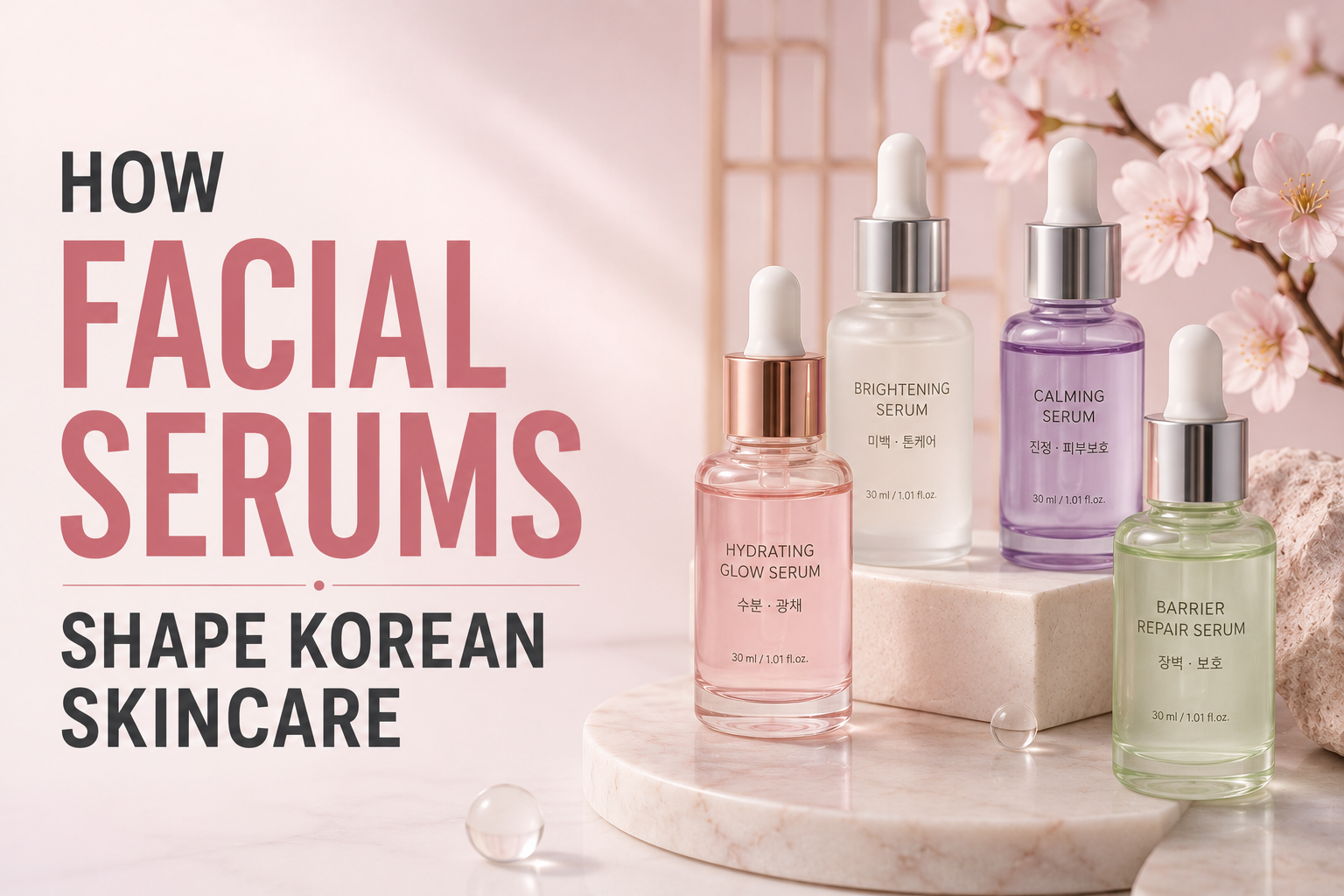
Facial serums are a key part of South Korea’s advanced skincare culture, where consumers often follow structured routines focused on hydration, brightness, texture, barrier care, and visible ageing concerns. Serums are lightweight formulations used before moisturizers and sunscreen. They commonly include ingredients such as hyaluronic acid, vitamin C, niacinamide, peptides, retinol, and botanical extracts, depending on the product’s intended skin benefit.
A recent study by MarkNtel Advisors highlights that the South Korea facial serum sector was valued at approximately USD 181 million in 2025. It is projected to grow from USD 198 million in 2026 to USD 343 million by 2032, registering a CAGR of around 9.56% during 2026–2032. This growth reflects ingredient-led skincare demand, beauty innovation, e-commerce access, and strong consumer interest in targeted facial care.
Ingredient-Led Skincare Drives Demand
South Korean consumers are highly engaged with skincare ingredients and product functions. Facial serums are often selected for specific concerns such as dullness, dryness, uneven tone, pores, fine lines, or sensitivity. The FDA’s guidance on cosmetic ingredients states that companies marketing cosmetics are responsible for product and ingredient safety, making formulation transparency important for informed skincare choices.
This ingredient-led approach supports demand for serums with clear claims and visible product positioning. Consumers often compare ingredient lists, concentration levels, textures, layering compatibility, and expected results before purchasing. As skincare knowledge spreads through dermatology content, beauty platforms, and product reviews, brands must communicate benefits responsibly and avoid exaggerated claims around brightening, anti-ageing, or skin repair.
Functional Cosmetics Shape Product Positioning
South Korea’s beauty sector is strongly influenced by functional skincare categories, especially products connected with whitening, wrinkle improvement, and sun protection claims. The Ministry of Food and Drug Safety explains that functional cosmetics require evaluation or reporting for safety and effectiveness under the Cosmetics Act. This framework supports a structured environment for products that make stronger skincare-related claims.
Facial serums often sit close to this functional skincare space because many products focus on visible tone, elasticity, hydration, and texture. This encourages brands to invest in research, testing, and product development. Korean skincare companies frequently introduce lightweight textures, layered routines, ampoule-serum formats, and hybrid products that combine cosmetic comfort with targeted performance.
K-Beauty Innovation Supports Adoption
K-beauty is widely associated with fast product innovation, sensorial textures, and multi-step routines. Facial serums benefit from this environment because they can be positioned as focused treatment products within broader skincare systems. Brands offer products for morning use, night repair, sensitive skin, barrier strengthening, and seasonal needs, allowing consumers to personalize routines according to skin condition and lifestyle.
Innovation also appears in packaging, delivery formats, and ingredient combinations. Dropper bottles, pump packs, ampoules, capsules, and refill formats make products easier to use and differentiate. Lightweight gel serums, watery essences, milky serums, and oil-serum hybrids give consumers multiple options depending on climate, skin type, and routine preference.
Sun Protection Remains Connected
Facial serum use is often connected with sunscreen because some active ingredients may make skin more sensitive to sunlight. The World Health Organization explains that ultraviolet radiation can affect the skin and eyes, which makes sun protection an important part of daily skincare. This is especially relevant for consumers using brightening, exfoliating, or retinol-based products.
In South Korea, skincare routines often combine cleansing, toner, serum, moisturizer, and SPF steps. This routine-based approach supports repeat use and cross-category demand. Serums are not usually standalone products; they are part of a wider system where hydration, barrier care, treatment ingredients, and UV protection work together to support skin appearance and comfort.
Digital Beauty Channels Expand Access
Online beauty platforms, brand websites, social commerce, and product review communities play a major role in facial serum discovery. Consumers can compare claims, ingredient lists, user feedback, price points, and skin-type recommendations before purchase. This digital access helps both established Korean beauty brands and smaller skincare labels reach consumers more efficiently.
South Korea’s facial serum sector is expected to grow as consumers continue prioritizing targeted skincare, ingredient transparency, and routine personalization. Future demand will depend on safe formulations, credible claims, product texture, affordability, digital trust, and regulatory compliance. As skincare becomes more knowledge-driven, facial serums are likely to remain a central part of South Korea’s beauty and personal care habits.

 English
 French
 Spanish
 Portuguese
 Deutsch
 Turkish
 Dutch
Dutch
 Italiano
 Russian
 Romaian
 Portuguese (Brazil)
 Greek
Greek