

5 Land Grading Mistakes That Cause Drainage Problems
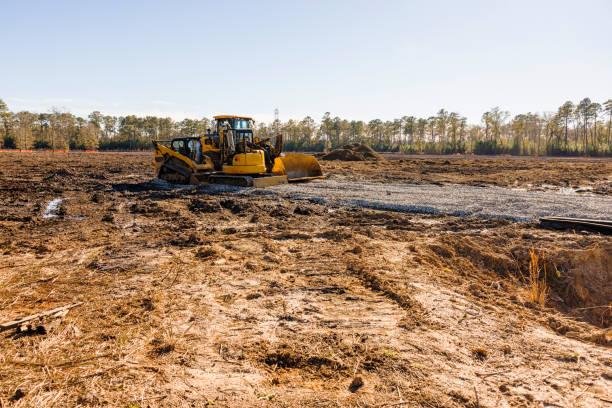
Bad grading is one of those problems that doesn't show up right away. You finish the project, everything looks flat and tidy, and then the first heavy rain hits. Suddenly there's water pooling against the foundation, a neighbor's yard is flooding, or the soil is sinking in spots that were just leveled last month. Honestly, most of these headaches come from a handful of mistakes that are pretty easy to avoid if you know what to watch for. Whether you're planning to Get Land Grading in Columbus OH for a new build or just fixing drainage issues around an existing home, these are the errors you'll want to skip entirely.
1. Grading the Slope Toward the Foundation
This is the big one. And it happens more often than you'd think, usually because someone eyeballed the grade instead of actually measuring it. The ground around your home should slope away from the foundation, not toward it. The general rule most contractors follow is a drop of at least six inches over the first ten feet from the structure. That's not a huge slope, but it's enough to send water away before it can pool and soak in.
When water consistently runs toward a foundation, it doesn't just cause wet basements. Over time, it erodes the soil directly under and around the footings, which can lead to settling, cracking, and in bad cases, structural failure. Pretty expensive fix for what started as a grading call that went the wrong way. If you're doing any regrading near a house, always measure the slope with a level and a long board, or better yet, have someone run a proper grade check before any dirt moves.
2. Ignoring Natural Drainage Paths
Every yard has natural drainage channels, even if they're not obvious. Water follows the path of least resistance, and over years it carves out small swales, low spots, and routes through the landscape. Block one of those paths with a berm or a new bed of fill dirt, and the water doesn't just stop. It finds a new path, usually somewhere you didn't plan for.
I've seen this go sideways on properties where someone filled in a low corner to make the yard more usable, only to end up with a soggy mess near the garage that was never wet before. The natural drainage path got redirected right into a new problem area. Before you move any significant amount of soil, spend some time watching how water actually moves across the property during a rainstorm. Walk the yard after a good rain. Take notes. That information is worth more than any survey drawing when it comes to avoiding new pooling problems.
For a solid overview of how surface water drainage works at a technical level, the EPA's guidance on urban stormwater and nonpoint source runoff is a useful starting point, especially for larger lots or properties near waterways.
3. No Soil Compaction Plan
Fill dirt is not a finished product. It settles. And if it's not compacted properly in layers as it goes down, it settles unevenly, which is arguably worse than not grading at all. You end up with dips and humps appearing months after the project wrapped, sometimes right where you spent the most money getting things level.
Compaction has to happen in lifts, meaning you add a few inches of fill, compact it, add more, compact again, and so on. Skipping this step because it takes more time is one of the most common corners that gets cut on DIY grading jobs. The soil type matters too. Clay-heavy soils common in central Ohio behave very differently than sandy loam, and the compaction equipment and moisture levels have to match what you're working with. Get this wrong and the grade you spent good money on won't hold its shape through the first winter freeze-thaw cycle.
4. Not Thinking About the Neighbors
This one creates legal headaches, not just drainage ones. If you regrade your property in a way that pushes water runoff onto adjacent land, you could be liable for any damage that results. Ohio, like most states, follows what's sometimes called the "reasonable use" doctrine when it comes to surface water disputes between neighbors. Basically, you can't intentionally or negligently redirect water onto someone else's property.
Land Grading Services in Columbus OH often include a site review that looks at how a proposed grade change will affect adjacent lots. That step matters. It's not just courtesy, it's protection. A project that raises the grade on one side of a property line without accounting for where that displaced water goes can result in neighbor complaints, property damage claims, or worse. Talk to whoever is doing the work about what happens to runoff at every edge of your lot, not just the main drainage direction.
If you're working with a contractor, Civitello Construction Services is one outfit in the Columbus area that handles site grading with an eye toward the full drainage picture, including how changes affect neighboring properties. Worth asking about during any initial consultation.
5. Skipping the Utility Locate
This one can get dangerous fast. Before any excavation or serious grading work starts, you need to know where the underground utilities are. Gas lines, water mains, buried electric, irrigation systems, sewer laterals. They're all down there, and a grading blade or excavator bucket doesn't know the difference between soil and a pressurized gas line.
Ohio law requires contractors to call 811 before digging, and most licensed pros do this automatically. But homeowners doing their own work sometimes skip it, either because they don't know about the requirement or they assume nothing's buried in that part of the yard. Bad assumption. Hitting a utility line mid-project doesn't just stop the job, it can result in injury, significant repair costs, and fines. Call 811 at least a few business days before any digging starts. It's free, it's fast, and it's not optional.
Get Land Grading in Columbus OH done right and you won't be dealing with any of these problems after the fact. Land Grading Services in Columbus OH that cut corners on utility locates are also likely cutting corners elsewhere, so it's a useful filter when you're vetting contractors.
Frequently Asked Questions
How far should the ground slope away from my foundation?
The standard recommendation is a minimum drop of six inches over the first ten feet from the structure. That gradient is usually enough to move water away before it can pool against the foundation wall or work its way into the basement. Some situations call for more slope, depending on soil type and how much rain the area gets.
Can I do land grading myself, or do I need a contractor?
Small corrections around flower beds or minor low spots are something a motivated homeowner can handle with a rake and some topsoil. Anything that involves moving significant amounts of dirt, changing the slope near the foundation, or working near property lines really should involve a professional. The margin for error is small and the consequences of getting it wrong are expensive.
What happens if I don't compact fill dirt properly?
Uncompacted fill settles over time, usually unevenly. You'll see dips and depressions form months after the work is done, sometimes near structures where settling soil can pull away from foundation walls or crack patios and walkways. Proper compaction in layers is the only way to avoid this.
Is it legal to redirect water runoff onto a neighbor's property?
Generally, no. Ohio follows the reasonable use doctrine, which means you can't negligently or intentionally send water onto adjacent land in a way that causes damage. Even unintentional redirection can create liability if it results in flooding or property damage next door. Always factor in neighboring lots before changing your grade.
How long does a typical residential grading project take?
It depends on the size of the lot and how much soil needs to move. A basic grading job around a single-family home might take one to two days. Larger properties or projects that involve significant fill and compaction work can run several days to a week. Weather matters too, since wet conditions can push timelines out considerably.
Take the time to plan before the first shovel hits the ground. Most drainage problems that show up after a grading project were preventable, and usually the fix costs a lot more than doing it right the first time would have.

 English
 Arabic
 French
 Portuguese
 Deutsch
 Turkish
 Dutch
Dutch
 Italiano
 Russian
 Romaian
 Portuguese (Brazil)
 Greek
Greek