

Role of Caregivers in TPN at Home Management
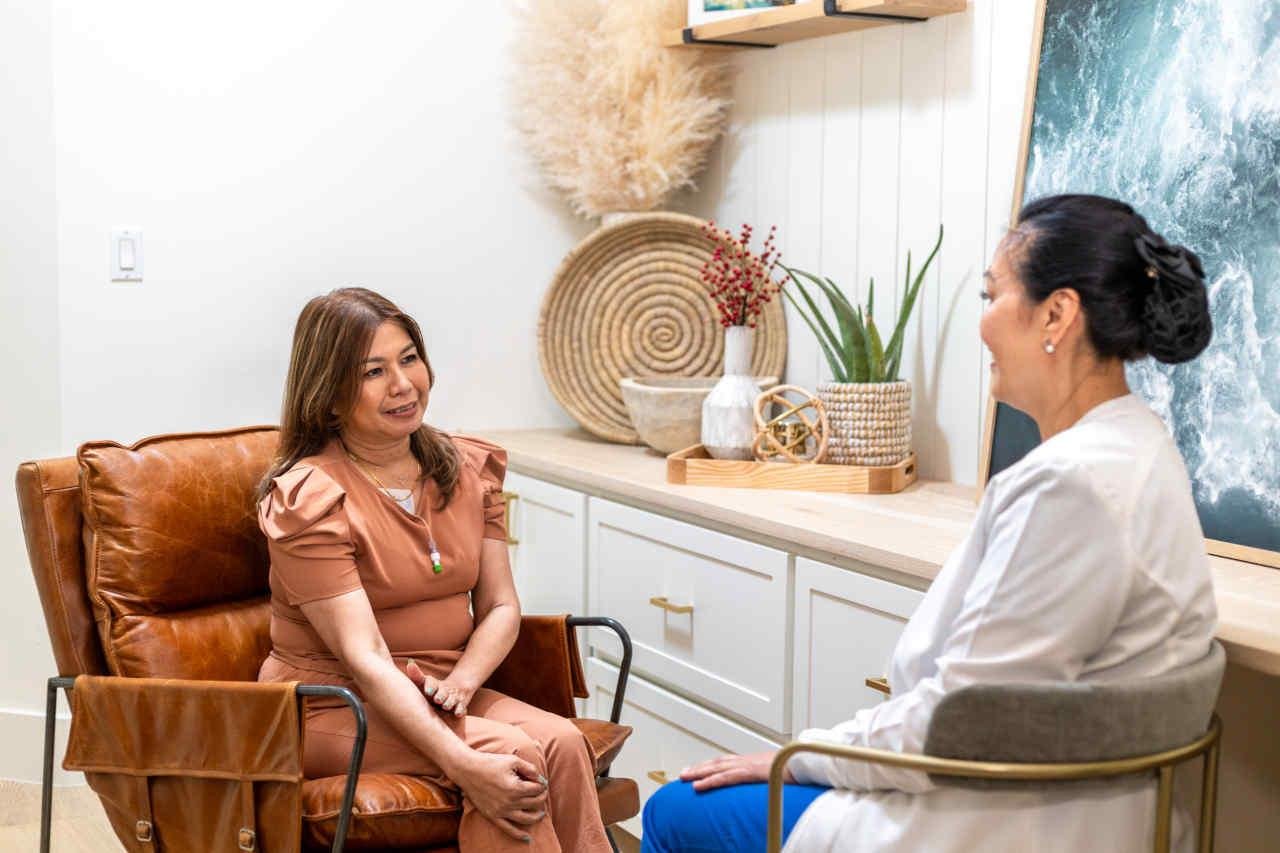
Caring for a loved one receiving Total Parenteral Nutrition (TPN) at home requires dedication, attention to detail, and a clear understanding of daily care responsibilities. Choosing TPN At Home In Dubai enables patients to receive essential nutritional support in a familiar environment while reducing the need for prolonged hospital stays. Many families also rely on Doctor at Home services to provide ongoing medical supervision, helping caregivers manage treatment safely and confidently. With the right knowledge and support, caregivers play a vital role in ensuring successful home-based TPN therapy and improving the patient's overall quality of life.
Understanding the Caregiver's Role:
Caregivers serve as an essential part of the home healthcare team by assisting with daily TPN management, monitoring the patient's condition, and helping maintain a safe treatment environment. Their responsibilities extend beyond administering care, as they also provide emotional encouragement, help patients follow medical instructions, and communicate with healthcare professionals whenever concerns arise. A knowledgeable caregiver contributes significantly to the consistency and effectiveness of long-term nutritional therapy.
Assisting with Daily TPN Administration:
Although trained healthcare professionals may perform certain procedures, caregivers often help prepare the patient for scheduled infusions and ensure that treatment follows the prescribed routine. Their daily responsibilities may include:
- Preparing a clean treatment area.
- Gathering required medical supplies.
- Checking infusion schedules.
- Confirming that equipment is functioning properly.
- Observing sterile handling practices.
- Recording treatment times when necessary.
- Supporting the patient throughout the infusion process.
Maintaining Proper Catheter Care:
Catheter care is one of the most important responsibilities in home TPN management. Caregivers help maintain cleanliness around the catheter site, monitor dressings, and ensure that the central line remains protected from contamination. Following proper hygiene practices and recommended care instructions significantly lowers the risk of infections and helps prevent complications that could interrupt nutritional therapy.
Monitoring for Signs of Complications:
Caregivers should remain attentive to changes in the patient's condition throughout the day. Early recognition of warning signs allows healthcare providers to intervene before serious complications develop. Important symptoms to watch for include:
- Fever or chills.
- Redness or swelling around the catheter site.
- Leakage from the catheter.
- Difficulty during infusion.
- Unusual pain or discomfort.
- Shortness of breath.
- Sudden weakness or fatigue.
- Unexpected changes in weight or fluid balance.
Supporting Medication and Treatment Schedules:
Patients receiving TPN may also require medications, blood glucose monitoring, hydration management, and follow-up appointments. Caregivers help organize daily schedules, set reminders, and ensure treatments are completed on time. Maintaining a consistent routine supports better nutritional outcomes while reducing the likelihood of missed medications or delayed medical care.
Encouraging Healthy Lifestyle Habits:
While TPN provides essential nutrients intravenously, maintaining healthy daily habits remains important for overall well-being. Caregivers can encourage positive routines by helping patients:
- Get adequate rest each night.
- Stay physically active as recommended.
- Maintain proper personal hygiene.
- Follow physician-approved activity levels.
- Practice stress management techniques.
- Attend scheduled medical reviews.
- Maintain a clean home treatment environment.
Keeping Medical Supplies Organized:
Proper organization of medical supplies contributes to safe and efficient TPN management. Caregivers should regularly inspect inventory, store supplies according to recommended guidelines, and ensure that infusion equipment remains clean and accessible. Checking expiration dates and arranging timely replacements helps prevent disruptions in treatment and supports uninterrupted patient care.
Providing Emotional Support:
Long-term medical treatment can be emotionally challenging for patients and their families. Caregivers provide valuable reassurance by offering encouragement, listening to concerns, and helping patients maintain a positive outlook throughout therapy. Emotional support often improves confidence, reduces anxiety, and strengthens the patient's ability to adapt to daily treatment routines.
Communicating with Healthcare Professionals:
Effective communication between caregivers and healthcare providers ensures that patients receive appropriate and timely care. Caregivers should report changes in symptoms, treatment concerns, or complications as soon as they arise. Keeping accurate records of infusion schedules, vital observations, and any unusual events also helps healthcare professionals evaluate treatment progress and make informed decisions about ongoing care.
Building Confidence Through Education:
Learning about TPN therapy enables caregivers to perform their responsibilities with greater confidence and accuracy. Educational sessions provided by healthcare professionals help caregivers understand sterile techniques, equipment usage, emergency procedures, catheter maintenance, and infection prevention. Continuous learning allows caregivers to respond more effectively to routine situations while supporting the patient's long-term nutritional needs.
Final Thoughts
Caregivers play an indispensable role in the successful management of Total Parenteral Nutrition at home. Their commitment to maintaining treatment schedules, supporting catheter care, monitoring for complications, organizing medical supplies, encouraging healthy habits, and providing emotional reassurance contributes greatly to patient safety and recovery. With proper education, consistent communication with healthcare professionals, and a structured daily routine, caregivers help create a secure home environment where patients can receive high-quality nutritional support while enjoying greater comfort, independence, and improved quality of life.

 English
 Arabic
 French
 Spanish
 Portuguese
 Deutsch
 Dutch
Dutch
 Italiano
 Russian
 Romaian
 Portuguese (Brazil)
 Greek
Greek