

Empowering Fire Response: The Future of Thermal Imaging
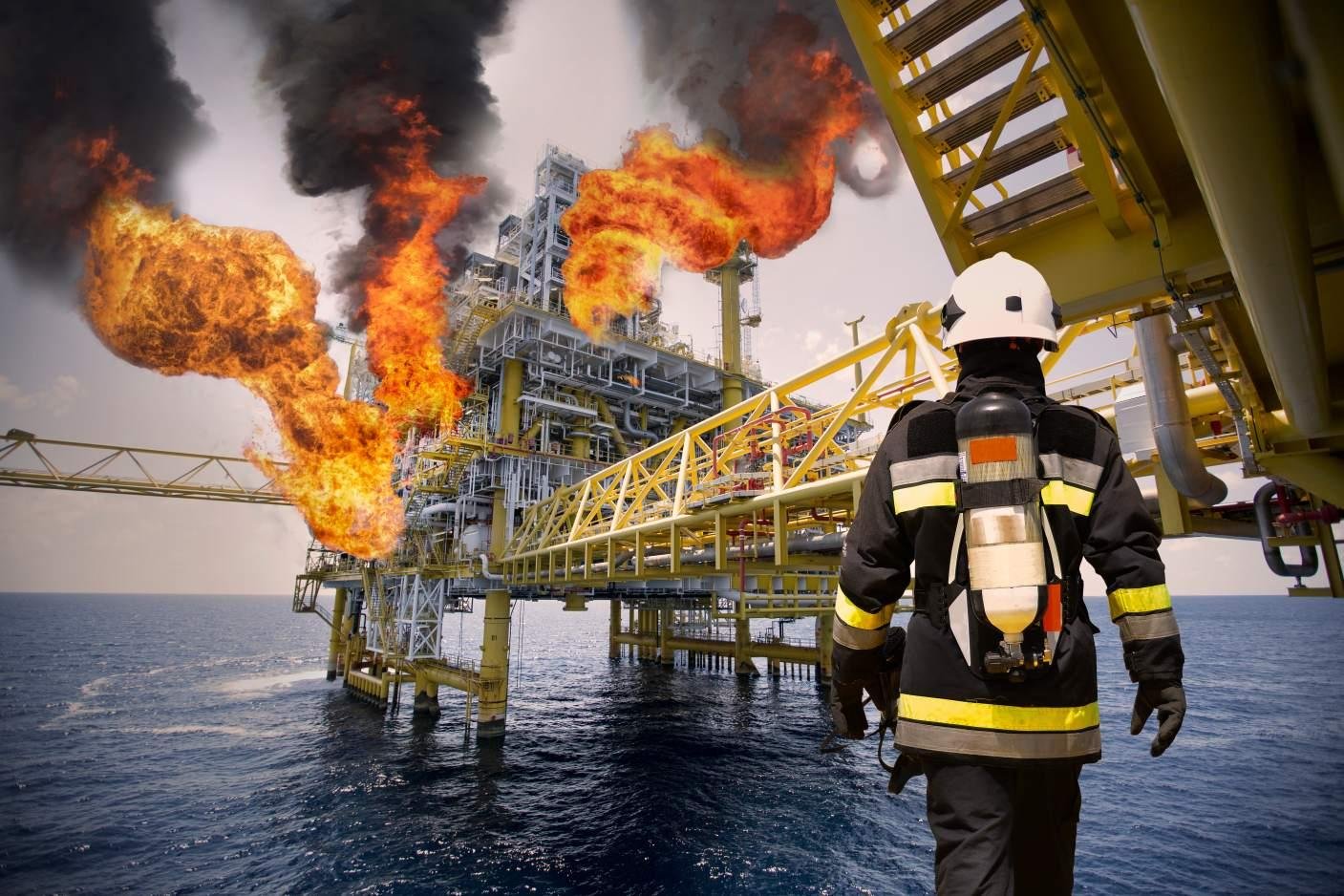
In the demanding environment of fire suppression and rescue, the ability to visualize the unseen is a life-saving asset. High-performance thermal imaging cameras for the fire service have become the cornerstone of modern incident response, providing commanders and frontline responders with the critical data needed to pierce through dense smoke, total darkness, and extreme temperatures. By utilizing state-of-the-art infrared sensors and intelligent image processing, these advanced tools have transitioned from being specialized equipment to essential gear that drastically improves situational awareness, search operations, and tactical decision-making on the fireground.
The Technological Shift in Fireground Operations
The evolution of thermal imaging over recent years has been driven by a demand for greater reliability and clarity in increasingly complex emergency scenarios. Current generation cameras are built to handle the physical rigors of interior attack operations, featuring rugged, heat-resistant, and impact-protected housings. The industry focus for 2026 has shifted toward the widespread deployment of imaging devices, ensuring that every member of a fire crew—not just the designated officer—can access real-time thermal data. This distributed visibility allows for a more synchronized approach, where multiple responders can simultaneously scan environments to identify heat sources, structural risks, and victim locations with unprecedented speed and accuracy.
The Tactical Advantage of Personal Imaging Tools
Equipping every responder with a portable thermal imaging camera for firefighters fundamentally changes the dynamics of incident management. When visibility is compromised by thick smoke or structural complexity, relying on a single camera operator can create bottlenecks and delays. With personal-issue thermal units, every firefighter gains the autonomy to verify their own surroundings, navigate safely through unfamiliar layouts, and conduct rapid primary searches. Modern units are designed for ergonomic, one-handed operation, ensuring that they can be utilized effectively even when wearing heavy personal protective equipment (PPE) and thick firefighting gloves.
Core Operational Benefits
-
Rapid Size-Up: Firefighters can instantly assess the intensity and spread of a fire, enabling faster strategic adjustments.
-
Coordinated Search and Rescue: Simultaneous scanning by multiple crew members reduces search time and increases the probability of locating victims in zero-visibility conditions.
-
Enhanced Accountability: Commanders can better track the location and status of teams within the structure, improving overall scene safety.
-
Efficient Overhaul: Post-suppression scans ensure that deep-seated hot spots are identified and extinguished, preventing potential rekindles.
Innovation at the Source: Advancements in Design
The rapid improvement of these devices is largely thanks to the specialized engineering of a leading handheld thermal imaging camera for firefighting manufacturer. Modern manufacturers are increasingly utilizing vertical integration, controlling the entire design process from the semiconductor level to the final ergonomic chassis. This allows for the integration of proprietary technologies, such as "mixed-gain" imaging and advanced noise reduction, which ensure image clarity even when the camera transitions rapidly between cool hallways and intense fire plumes. By focusing on sensor-level innovations, these companies deliver devices that maintain high frame rates and precise thermal sensitivity in environments where precision is not optional.
Cutting-Edge Features in Modern Hardware
-
Mixed-Gain Imaging: Automatically modulates the camera’s sensitivity to prevent screen washout when facing extreme heat.
-
Neural Network Training: Advanced image enhancement algorithms refine target outlines, making it easier for firefighters to distinguish between furniture, debris, and human silhouettes.
-
Wireless Data Integration: Real-time streaming capabilities allow incident commanders to view interior thermal feeds, facilitating better-informed tactical decisions from the exterior.
-
Standardized Interfaces: Simplified, "one-button" operation ensures that under high-stress conditions, responders can switch modes or capture data with minimal mental load.
Ensuring Longevity and Operational Readiness
Beyond initial deployment, the operational lifespan of these devices is maximized through modern maintenance workflows. Today’s systems often feature wireless charging solutions integrated directly into fire apparatus, ensuring that every camera is fully powered before the next dispatch. Furthermore, the use of automated diagnostic software allows departments to monitor battery health and sensor calibration, reducing the likelihood of device failure during critical operations. This commitment to maintaining equipment integrity ensures that fire departments can rely on their imaging tools at every incident, regardless of frequency or intensity.
Conclusion
The integration of advanced thermal imaging into everyday firefighting operations represents a significant leap forward in safety and operational efficiency. By providing responders with the technology to see through the most challenging conditions, these cameras have proven themselves indispensable for protecting both lives and property. As manufacturers continue to refine sensor technology and enhance image clarity, the fire service will remain better equipped than ever to meet the complexities of the modern fireground with confidence and precision.
Frequently Asked Questions
1. How do thermal imaging cameras help firefighters navigate through thick smoke?
Thermal cameras detect infrared radiation, which travels through smoke particles much more effectively than visible light. This allows firefighters to see the heat signatures of walls, furniture, and victims, effectively navigating an environment that is otherwise pitch black.
2. Can a thermal camera identify a person if they are hiding behind furniture?
While thermal cameras cannot see "through" solid objects like furniture, they can detect the heat radiating from the person's body or the impact of their presence on the surrounding thermal environment, providing vital clues that aid in search and rescue.
3. What is the benefit of "mixed-gain" technology in a fire setting?
Mixed-gain technology allows the camera to automatically adjust its sensitivity. This prevents the display from becoming a washed-out white or black screen when the camera is pointed at extremely hot fires, ensuring that cooler details remain visible.
4. Why is one-button operation preferred for firefighting cameras?
In high-stress, low-visibility conditions, responders need to minimize cognitive load. Simple, intuitive interfaces ensure that firefighters can focus on the mission rather than struggling with complex settings or menu navigation.
5. How do thermal cameras assist with fire prevention after the flames are out?
During the overhaul stage, thermal cameras are used to scan walls, floors, and ceilings for "hot spots." Identifying these hidden pockets of heat prevents rekindles and ensures the structure is fully safe for occupants and fire crews.
6. Are these cameras built to withstand the extreme heat of a fire scene?
Yes, professional-grade firefighting cameras are designed to meet strict durability standards. They are heat-resistant, water-tight, and impact-tested to function even when exposed to the harsh temperatures and debris encountered inside a burning structure.

 English
 Arabic
 French
 Spanish
 Portuguese
 Deutsch
 Turkish
 Italiano
 Russian
 Romaian
 Portuguese (Brazil)
 Greek
Greek