

Best Thermal Imaging Camera: A Complete Guide to Choosing the Right One
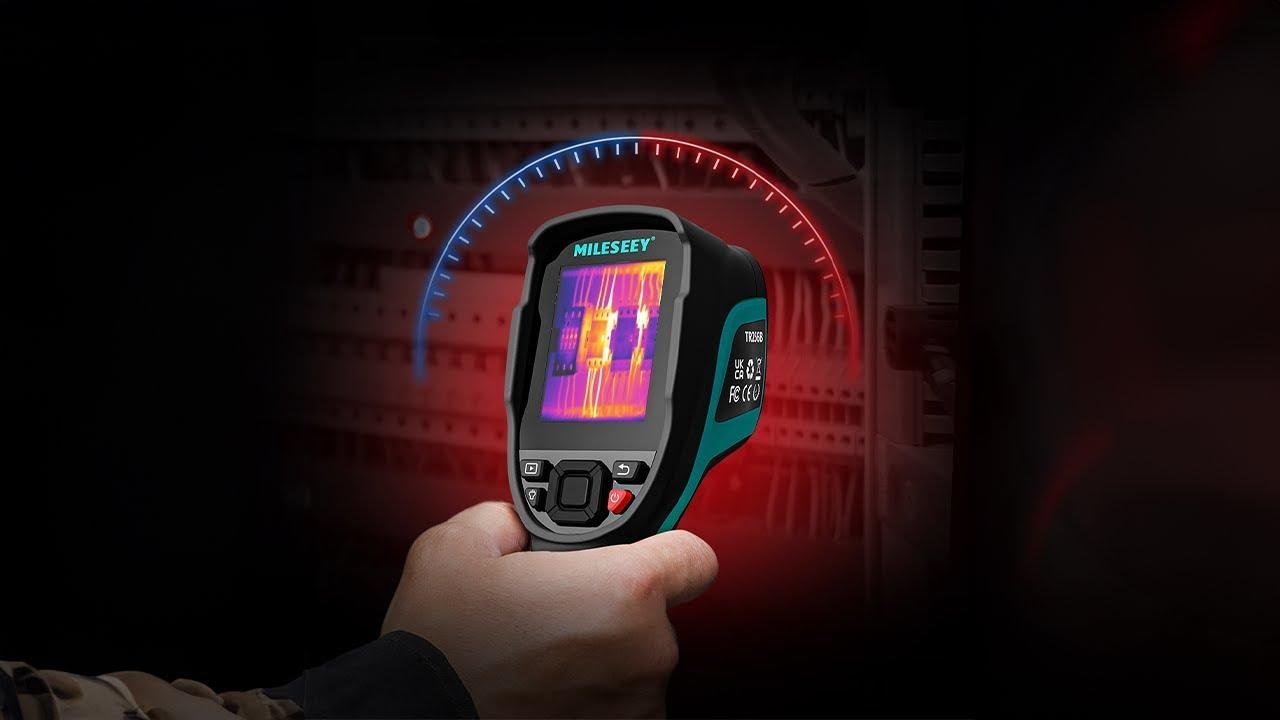
Thermal imaging technology has evolved from a specialized military tool into an essential device for homeowners, electricians, building inspectors, hunters, mechanics, and industrial professionals. Whether you're identifying heat loss in a building, diagnosing electrical faults, locating hidden water leaks, or conducting preventive maintenance, a thermal camera can reveal problems that remain invisible to the naked eye.
However, with dozens of models available and a wide range of specifications, choosing the best thermal imaging camera can quickly become overwhelming. Resolution, thermal sensitivity, temperature range, frame rate, and software capabilities all play a major role in determining performance.
This guide explains everything you need to know before buying a thermal camera. You'll learn which features matter most, how different applications require different specifications, and how to avoid costly purchasing mistakes.
What Is a Thermal Imaging Camera and How Does It Work?
A thermal imaging camera detects infrared radiation emitted by objects and converts it into a visual image that displays temperature differences. Unlike conventional cameras that capture visible light, thermal cameras visualize heat signatures.
How Thermal Imaging Works
Every object above absolute zero emits infrared energy. A thermal camera:
- Detects infrared radiation.
- Measures temperature variations.
- Converts thermal data into an image.
- Displays hot and cold areas using color palettes.
For example:
- Hot electrical connections may appear yellow, orange, or red.
- Cooler areas may appear blue or purple.
- Hidden moisture behind walls often shows distinct temperature patterns.
This capability makes thermal imaging valuable for both troubleshooting and preventive maintenance.
Why Thermal Imaging Cameras Are Becoming Essential
The demand for thermal imaging devices continues to grow across multiple industries.
Common Applications
Building Inspections
Thermal cameras help identify:
- Insulation gaps
- Air leaks
- Moisture intrusion
- HVAC inefficiencies
Electrical Diagnostics
Professionals use thermal imaging to detect:
- Overloaded circuits
- Loose connections
- Failing breakers
- Hot spots in panels
Mechanical Maintenance
Thermal inspections can reveal:
- Bearing failures
- Motor overheating
- Friction-related issues
- Equipment wear
Hunting and Wildlife Observation
Thermal imaging helps users detect animals in:
- Low-light conditions
- Dense vegetation
- Foggy environments
- Complete darkness
Security and Surveillance
Organizations use thermal cameras for:
- Perimeter monitoring
- Intrusion detection
- Nighttime surveillance
- Search and rescue operations
The versatility of thermal technology makes it a valuable investment for professionals and enthusiasts alike.
Key Features to Look for in the Best Thermal Imaging Camera
Not all thermal cameras are created equal. Understanding the most important specifications helps you make an informed decision.
Thermal Resolution
Thermal resolution determines image clarity.
Common resolutions include:
- 80 × 60
- 160 × 120
- 320 × 240
- 640 × 480
Higher resolution provides:
- Better detail
- Improved accuracy
- Easier fault detection
For professional inspections, 320 × 240 or higher is often recommended.
Thermal Sensitivity (NETD)
Thermal sensitivity measures how well a camera detects small temperature differences.
Lower values indicate better performance.
Examples:
- Below 50 mK: Excellent
- Below 40 mK: Professional-grade
- Below 30 mK: High-end performance
Better sensitivity allows users to detect subtle thermal anomalies.
Temperature Range
Different applications require different temperature capabilities.
Typical ranges include:
- -20°C to 150°C
- -20°C to 550°C
- Up to 2,000°C for specialized industrial use
Choose a range that matches your intended application.
Frame Rate
Frame rate affects image smoothness.
- 9 Hz: Suitable for basic inspections
- 30 Hz or higher: Better for moving targets and real-time analysis
Hunters and security professionals often prefer higher frame rates.
Image Enhancement Technology
Modern thermal cameras often include:
- Image fusion
- Picture-in-picture modes
- Edge enhancement
- AI-assisted analysis
These features improve image interpretation and reporting accuracy.
How to Choose the Best Thermal Imaging Camera for Your Needs
The ideal thermal camera depends on how you plan to use it.
For Homeowners
Look for:
- User-friendly interface
- Moderate resolution
- Smartphone connectivity
- Affordable pricing
Primary uses include:
- Energy audits
- Leak detection
- Home maintenance
For Electricians
Prioritize:
- High thermal sensitivity
- Wide temperature range
- Accurate spot measurements
- Reporting capabilities
Electrical diagnostics require precise thermal data.
For Building Inspectors
Consider:
- High resolution
- Moisture detection support
- Detailed reporting software
- Long battery life
Inspection professionals benefit from advanced imaging features.
For Hunters
Focus on:
- Long detection range
- Fast refresh rate
- Rugged construction
- Lightweight design
Thermal imaging provides a significant advantage in low-visibility conditions.
For Industrial Maintenance Teams
Industrial users often need:
- High temperature limits
- Advanced analytics
- Wireless reporting
- Rugged durability
Equipment monitoring requires consistent and accurate thermal measurements.
Understanding Thermal Resolution vs. Digital Resolution
One of the most misunderstood aspects of thermal cameras is the difference between thermal resolution and digital resolution.
Thermal Resolution
Thermal resolution refers to the infrared sensor itself.
This directly impacts:
- Temperature accuracy
- Detail visibility
- Detection capability
Digital Resolution
Digital resolution refers to the visible-light camera integrated into many devices.
While useful for documentation, it does not improve thermal performance.
When comparing models, prioritize thermal resolution over digital camera specifications.
Advanced Features Worth Considering
Premium thermal cameras often include capabilities that significantly improve usability.
Wi-Fi and Cloud Connectivity
Benefits include:
- Instant file sharing
- Remote inspections
- Team collaboration
- Cloud storage
AI-Powered Analysis
Some modern devices can automatically identify:
- Electrical anomalies
- Thermal hotspots
- Mechanical failures
- Energy-loss patterns
Voice Annotation
Allows inspectors to record observations during inspections.
GPS Tagging
Useful for:
- Facility management
- Large-scale inspections
- Infrastructure assessments
These features may not be necessary for every user but can greatly improve workflow efficiency.
Expert Tips for Getting the Most from a Thermal Imaging Camera
Learn About Emissivity
Different materials emit heat differently.
Adjusting emissivity settings improves measurement accuracy on surfaces such as:
- Metal
- Concrete
- Wood
- Plastic
Inspect During Optimal Conditions
For building diagnostics:
- Early morning inspections often provide better thermal contrast.
- Avoid direct sunlight when possible.
Maintain Proper Distance
Being too close or too far from the target can reduce image quality and accuracy.
Verify Findings
Thermal imaging should complement, not replace, other inspection methods.
Confirm suspicious findings with additional tools when necessary.
Keep Software Updated
Firmware updates often improve:
- Accuracy
- User interface
- Security
- Reporting features
Common Mistakes to Avoid
Many buyers focus on marketing claims rather than practical performance.
Buying Based Only on Price
Cheaper models may lack sufficient resolution for professional work.
Ignoring Thermal Sensitivity
A high-resolution camera with poor sensitivity may miss important temperature variations.
Overlooking Reporting Software
Inspection reports are often as important as image quality.
Choosing Excessive Features
Paying for capabilities you never use can significantly increase costs.
Not Understanding Your Application
The best thermal imaging camera for hunting may not be suitable for electrical inspections.
Always match specifications to your intended use.
Frequently Asked Questions
What is the best thermal imaging camera for home inspections?
A model with at least 160 × 120 thermal resolution, good thermal sensitivity, and moisture detection capabilities is generally suitable for residential inspections.
Are thermal imaging cameras accurate?
Yes. High-quality thermal cameras can provide highly accurate temperature measurements when properly calibrated and configured.
Can thermal cameras see through walls?
No. Thermal cameras cannot see through walls. They detect surface temperature differences that may indicate hidden issues behind the wall.
Is higher thermal resolution always better?
Generally yes, but resolution should be balanced with thermal sensitivity, software features, and budget requirements.
How long do thermal imaging cameras last?
Professional thermal cameras can last many years with proper maintenance, firmware updates, and careful handling.
Conclusion
Choosing the best thermal imaging camera requires more than comparing prices or looking at marketing specifications. The right device depends on your intended application, whether that's building inspections, electrical diagnostics, industrial maintenance, hunting, or security monitoring.
Focus on the features that matter most, including thermal resolution, sensitivity, temperature range, frame rate, and reporting capabilities. Understanding these factors helps ensure you invest in a camera that delivers accurate results and long-term value.
As thermal imaging technology continues to improve, today's cameras offer more precision, smarter analysis, and greater accessibility than ever before. By selecting the right model for your needs and using it correctly, you can uncover hidden problems, improve efficiency, and make better-informed decisions in virtually any environment.

 English
 Arabic
 French
 Spanish
 Portuguese
 Deutsch
 Turkish
 Dutch
Dutch
 Russian
 Romaian
 Portuguese (Brazil)
 Greek
Greek