

Benefits of PU Injection Grouting for Industrial Facilities
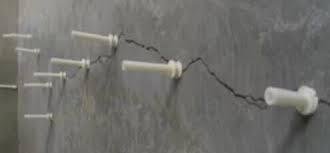
Water leakage is one of the most common problems affecting buildings, industrial facilities, underground structures, and infrastructure projects. If left untreated, continuous water ingress can weaken structural elements, damage finishes, promote corrosion, and increase maintenance costs. Modern construction and rehabilitation projects require solutions that not only stop active leaks but also provide long-term protection against moisture penetration. PU Grouting has emerged as one of the most effective methods for controlling water leakage and sealing cracks in concrete structures. The process involves injecting specialized polyurethane materials into cracks, joints, and voids where they react with water and expand to create a durable waterproof barrier. This technique is widely used across residential, commercial, industrial, and infrastructure projects because of its speed, effectiveness, and minimal disruption during execution.
Understanding PU Grouting
PU Injection Grouting is a specialized waterproofing technique used to stop active water seepage through cracks, construction joints, honeycombs, and voids in concrete structures. The injected polyurethane resin travels deep into the leakage path and expands upon contact with moisture. This expansion allows the material to fill gaps completely and form a flexible seal that prevents further water ingress.
Unlike conventional surface waterproofing methods, PU grouting addresses the source of leakage from within the structure. Since the resin penetrates deeply into cracks and hidden pathways, it provides a more comprehensive solution for challenging leakage conditions. This makes it a preferred choice for engineers, facility managers, and property owners seeking long-lasting waterproofing performance.
Why Water Leakage Requires Immediate Attention
Water intrusion may appear to be a minor issue initially, but it often leads to significant structural and operational problems over time. Continuous moisture exposure can accelerate reinforcement corrosion, weaken concrete integrity, and create an unhealthy indoor environment. In industrial facilities, leakage can also disrupt operations and damage valuable equipment.
Timely intervention through polyurethane grouting helps prevent costly repairs and structural deterioration. By stopping water at its entry point, property owners can protect assets, improve durability, and extend the service life of buildings and infrastructure. Early leak repair is often far more economical than dealing with extensive damage caused by prolonged exposure to moisture.
How PU Injection Grouting Works
The PU injection process begins with a detailed inspection to identify leakage sources and crack patterns. Injection ports are installed along the affected area, allowing controlled delivery of polyurethane resin into the structure. Specialized injection equipment ensures the material reaches the targeted zones with precision.
Once injected, the resin reacts with water or moisture present within the crack. This reaction causes expansion, enabling the material to fill voids, micro-cracks, and interconnected leakage channels. The resulting seal forms a waterproof barrier that blocks water movement while maintaining flexibility to accommodate minor structural movements without failure.
Key Benefits of PU Grouting
One of the primary advantages of PU grouting waterproofing is its ability to stop active water leakage immediately. The expanding resin rapidly fills leakage paths, making it highly effective even under challenging conditions involving pressurized water. This capability makes the technique suitable for emergency leak repair applications.
Another significant benefit is minimal disruption during installation. Since the process involves targeted injection rather than extensive demolition, structures can often remain operational during repairs. The reduced downtime is especially valuable in commercial buildings, manufacturing facilities, basements, tunnels, and water-retaining structures where operational continuity is essential.
Applications of PU Injection Grouting
PU grouting is widely used across multiple sectors because of its versatility and effectiveness. Common applications include basement waterproofing, retaining walls, underground parking areas, lift pits, tunnels, water tanks, sewage treatment facilities, and foundation structures. The method can address both minor seepage and major leakage problems.
Infrastructure projects also benefit significantly from crack injection grouting. Bridges, subways, dams, and underground utility structures frequently experience water infiltration due to environmental exposure and aging. PU grouting provides a practical solution for maintaining structural performance while minimizing disruptions to public services and ongoing operations.
PU Grouting for Basement Waterproofing
Basements are particularly vulnerable to water infiltration because they remain in constant contact with surrounding soil and groundwater. Cracks, construction joints, and wall-floor intersections often become entry points for moisture, resulting in dampness, seepage, and mold growth. Traditional waterproofing methods may not effectively address active leaks originating within the structure.
PU injection grouting offers a targeted solution by sealing leakage paths from inside the concrete. The expanding resin reaches hidden voids and crack networks that surface coatings cannot access. As a result, basement waterproofing projects achieve more reliable and long-lasting protection against groundwater intrusion and moisture-related damage.
Importance of Professional Injection Grouting Contractors
The success of any grouting project depends heavily on proper diagnosis, material selection, and execution quality. Experienced injection grouting contractors understand how different crack patterns, leakage conditions, and structural characteristics influence repair strategies. Their expertise ensures the correct resin type and injection technique are applied for optimal results.
Professional contractors also utilize advanced equipment capable of controlling pressure, flow rates, and material distribution. This precision improves penetration depth and sealing effectiveness while reducing material waste. Skilled execution is critical for achieving durable waterproofing performance and preventing recurring leakage issues after repair completion.
PU Grouting in Industrial Structures
Industrial facilities often face unique waterproofing challenges due to continuous operations, chemical exposure, vibration, and aging infrastructure. Water leakage within production areas can affect machinery, electrical systems, and operational efficiency. Therefore, repair methods must be effective while minimizing disruption to daily activities.
PU grouting is particularly suitable for industrial environments because it can be performed quickly and accurately. The injection process targets leakage sources directly without requiring large-scale demolition. This allows facility operators to maintain productivity while addressing critical waterproofing concerns that could otherwise lead to significant operational and maintenance costs.
Common Problems Solved by PU Grouting
PU grouting effectively addresses a wide range of leakage-related issues. These include water seepage through construction joints, cracks in concrete walls, honeycombed concrete, expansion joints, pipe penetrations, and underground structural interfaces. The technology can also seal difficult leakage paths that are inaccessible through conventional repair methods.
Another common application involves emergency leak control in structures experiencing active water ingress. Since polyurethane resin reacts rapidly with water, it can stop flowing leaks in a relatively short period. This capability makes it valuable for urgent repairs where immediate waterproofing performance is required to prevent further damage.
Factors Affecting Grouting Performance
Several factors influence the success of a PU grouting project. The condition of the structure, crack width, moisture level, water pressure, and accessibility all play important roles in determining the most effective repair strategy. Thorough assessment before execution helps ensure appropriate material selection and injection planning.
Environmental conditions can also impact project outcomes. Temperature, substrate condition, and structural movement affect resin behavior and sealing performance. By carefully evaluating these variables, contractors can optimize the injection process and maximize the long-term effectiveness of the waterproofing solution.
Choosing the Right PU Grouting Solution
Not all leakage situations require the same approach. Different polyurethane formulations are available depending on project requirements, water conditions, and structural characteristics. Some materials are designed for rapid reaction and emergency leak sealing, while others provide greater flexibility for long-term crack movement accommodation.
Property owners should work with qualified specialists who can recommend suitable materials and techniques based on site conditions. A customized approach ensures the repair addresses the root cause of leakage rather than simply masking visible symptoms. This leads to better performance and reduced maintenance requirements over time.
Why Expert Evaluation Matters
Successful waterproofing begins with a detailed engineering assessment rather than immediate repair execution. Understanding the source of water ingress, structural behavior, and environmental conditions allows professionals to develop an effective treatment strategy. Accurate diagnosis helps avoid unnecessary repairs and improves project efficiency.
For organizations seeking reliable waterproofing and rehabilitation solutions, consulting experienced specialists such as Gubbi Civil Engineers Limited can help ensure that leakage issues are evaluated comprehensively and addressed using technically appropriate repair methodologies tailored to specific project requirements.
Long-Term Advantages of PU Injection Grouting
Investing in PU grouting delivers long-term benefits beyond immediate leak control. By preventing water infiltration, structures experience reduced deterioration, lower maintenance costs, and improved durability. Waterproof environments also contribute to healthier indoor conditions by minimizing mold growth and moisture-related problems. Additionally, the flexibility of polyurethane materials enables them to accommodate minor structural movement without losing sealing performance. This characteristic enhances the longevity of repairs and reduces the likelihood of recurring leakage. As a result, PU grouting remains one of the most dependable waterproofing solutions available today.
PU grouting has become a trusted technology for solving complex water leakage problems in buildings, industrial facilities, and infrastructure assets. Its ability to penetrate deep into cracks, react with moisture, and create a durable waterproof seal makes it highly effective for both active leak repair and long-term structural protection. Whether addressing basement seepage, tunnel leakage, retaining wall cracks, or industrial waterproofing challenges, PU Injection Grouting offers a practical and reliable solution. When executed by experienced professionals using appropriate materials and techniques, it provides lasting protection against water ingress, helping preserve structural integrity and extend the service life of valuable assets.

 English
 Arabic
 French
 Spanish
 Portuguese
 Deutsch
 Turkish
 Dutch
Dutch
 Italiano
 Russian
 Romaian
 Portuguese (Brazil)