

What Doctors Want Patients to Know About Home Oxygen Therapy
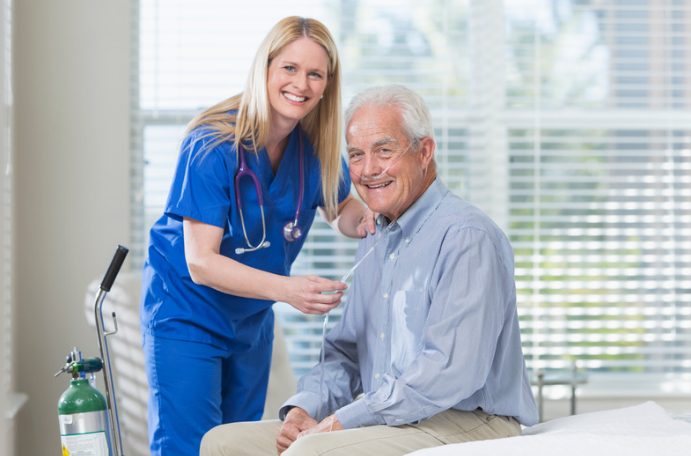
Home oxygen therapy is a medically supervised treatment that can significantly improve quality of life for patients with chronic respiratory conditions when used correctly. With the growing demand for Home oxygen therapy Dubai, more patients are receiving oxygen support in the comfort of their homes rather than extended hospital stays. When guided by professional Doctor at Home services, patients gain clearer understanding of how oxygen therapy should be used safely and effectively. Doctors emphasize that oxygen therapy is not just about using a device, but about proper usage, monitoring, and lifestyle integration for long-term health benefits.
Oxygen Therapy Is a Medical Treatment, Not Just Support:
Doctors want patients to understand that oxygen therapy is a prescribed medical treatment, not a general wellness tool. It is used when blood oxygen levels fall below safe limits and the body needs additional support. Misuse or self-adjustment of oxygen levels without medical guidance can lead to complications, which is why professional supervision is essential.
Proper Diagnosis Is Essential Before Starting Oxygen Therapy:
Before prescribing oxygen therapy, doctors conduct thorough evaluations to determine the underlying cause of low oxygen levels. This includes lung function tests, oxygen saturation measurements, and overall health assessments. Oxygen therapy is only recommended when clinically necessary, ensuring patients receive the right treatment for their condition.
Not All Patients Need Continuous Oxygen:
One of the most important things doctors emphasize is that oxygen therapy is not always continuous. Some patients may need oxygen only during sleep, physical activity, or flare-ups of their condition. Treatment plans are personalized based on severity and daily oxygen needs.
Doctors often categorize oxygen use as:
- Continuous oxygen therapy for severe conditions
- Nocturnal oxygen therapy for nighttime use
- Ambulatory oxygen therapy during movement or exercise
- Intermittent oxygen use during symptom flare-ups
Oxygen Levels Must Be Monitored Regularly:
Doctors stress the importance of regular oxygen monitoring to ensure treatment effectiveness. Patients should use pulse oximeters if advised and attend follow-up appointments. Monitoring helps detect changes in respiratory status early and allows timely adjustments to oxygen flow rates.
Key monitoring points include:
- Resting oxygen saturation levels
- Oxygen levels during activity
- Nighttime oxygen stability
- Symptom changes over time
Incorrect Oxygen Use Can Be Harmful:
Doctors warn that incorrect oxygen usage can be dangerous. Too much oxygen may suppress breathing drive in some patients, while too little oxygen may worsen symptoms. This is why strict adherence to prescribed oxygen flow rates is critical.
Common mistakes to avoid include:
- Adjusting oxygen flow without medical advice
- Skipping prescribed oxygen sessions
- Using faulty or unapproved equipment
- Ignoring symptoms of oxygen deficiency
Oxygen Therapy Does Not Replace Other Treatments:
Another key message from doctors is that oxygen therapy is not a cure for underlying diseases. It supports breathing but must be used alongside medications, lifestyle changes, and other treatments. Patients should continue all prescribed therapies for conditions like COPD, asthma, or heart disease.
Lifestyle Adjustments Improve Treatment Outcomes:
Doctors recommend combining oxygen therapy with healthy lifestyle habits to improve long-term results. These adjustments help support lung function and overall well-being.
Recommended lifestyle changes include:
- Quitting smoking completely
- Engaging in light physical activity
- Maintaining a balanced diet
- Avoiding polluted environments
- Staying hydrated
- Following sleep hygiene practices
Safe Use of Oxygen Equipment Is Critical:
Proper handling of oxygen equipment is essential for patient safety. Doctors emphasize that oxygen supports combustion, so safety rules must always be followed at home.
Important safety guidelines include:
- Keep oxygen away from flames and heat sources
- Do not smoke near oxygen equipment
- Ensure proper ventilation in rooms
- Store cylinders upright and secured
- Regularly inspect tubing and connections
- Follow manufacturer instructions carefully
Patients Should Never Self-Diagnose Oxygen Needs:
Doctors strongly advise against self-diagnosing or self-starting oxygen therapy. Oxygen should only be used after proper medical evaluation. Using oxygen unnecessarily can delay correct diagnosis and treatment of underlying conditions.
Regular Follow-Ups Are Necessary:
Ongoing medical supervision is essential for adjusting oxygen therapy over time. Doctors monitor whether patients still need oxygen, require changes in dosage, or can reduce usage. Regular follow-ups ensure that therapy remains safe and effective.
Emotional and Psychological Impact Should Not Be Ignored:
Doctors also highlight the emotional side of oxygen therapy. Patients may initially feel dependent or anxious about using oxygen equipment. However, with proper education and support, most patients adapt well and regain confidence in their daily lives.
Oxygen Therapy Can Improve Quality of Life:
When used correctly, oxygen therapy significantly improves quality of life by reducing breathlessness, increasing energy levels, and supporting better sleep. Doctors emphasize that consistent use as prescribed leads to better long-term outcomes.
Caregiver Support Is Extremely Important:
Doctors encourage family members and caregivers to actively participate in oxygen management. Their support helps ensure correct usage, safety compliance, and emotional reassurance for patients.
Caregiver responsibilities may include:
- Assisting with equipment setup
- Monitoring oxygen usage
- Ensuring safety precautions are followed
- Supporting mobility and daily activities
- Observing changes in patient condition
Final Thoughts:
Doctors want patients to understand that home oxygen therapy is a carefully regulated medical treatment that requires proper use, monitoring, and lifestyle integration. For individuals using Home oxygen therapy Dubai, following medical guidance ensures safe and effective treatment outcomes. With correct usage, regular follow-ups, and strong caregiver support, patients can achieve better breathing, improved independence, and a significantly enhanced quality of life at home.

 English
 Arabic
 French
 Spanish
 Portuguese
 Deutsch
 Dutch
Dutch
 Italiano
 Russian
 Romaian
 Portuguese (Brazil)
 Greek
Greek