

How to Treat and Prevent Sports Injuries in Dallas
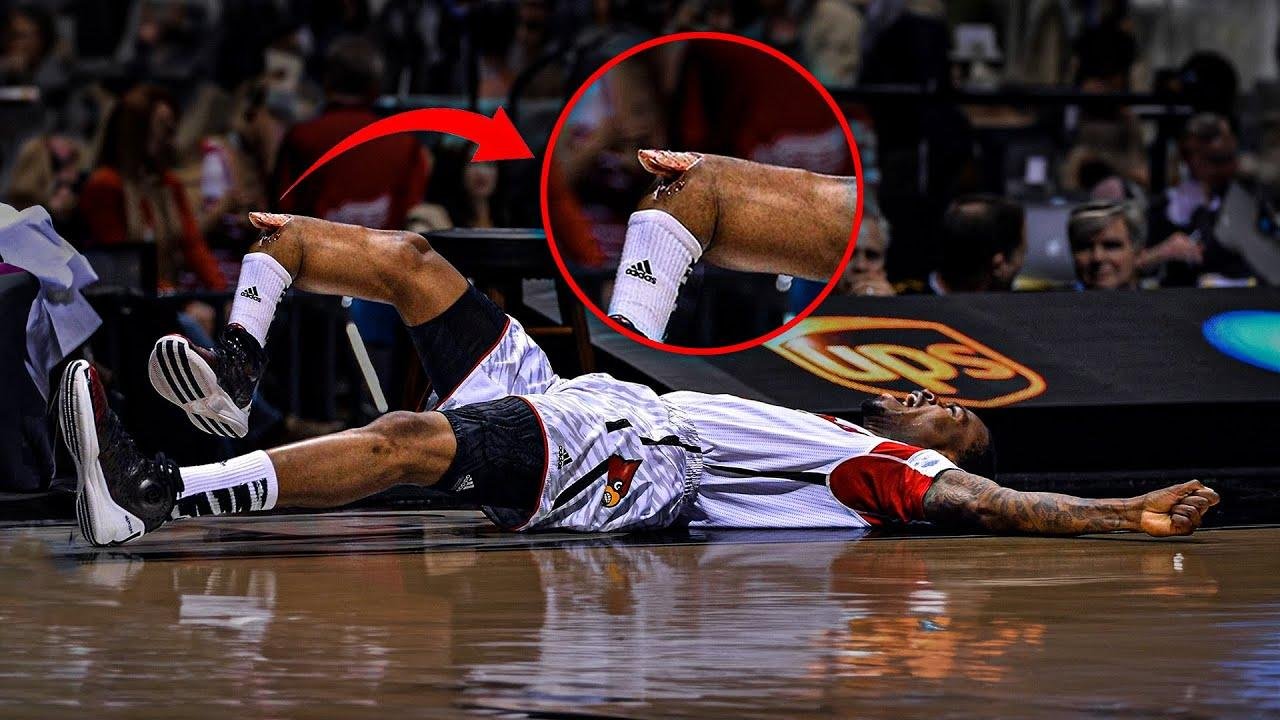
Staying active is one of the best ways to maintain a healthy lifestyle. Whether you enjoy running in the park, lifting weights at the gym, or playing competitive sports, regular physical activity helps improve strength, flexibility, and overall well-being. However, with increased activity comes an increased risk of injury.
If you’re dealing with sports injuries in Dallas, you’re not alone. Athletes and active individuals of all ages experience injuries at some point. The key is knowing how to treat these injuries properly and, more importantly, how to prevent them from happening in the first place.
This comprehensive guide will walk you through common types of sports injuries, their causes, treatment options, and practical strategies to help you stay active without pain.
Common Sports Injuries You Should Know About
Sports injuries can range from mild discomfort to severe conditions that limit mobility. Understanding the most common types can help you recognize symptoms early and take the right action.
Muscle Strains and Overuse Injuries
Muscle strains occur when muscle fibers are overstretched or torn. These injuries are common in activities that involve sudden movements, heavy lifting, or intense physical effort.
Overuse injuries, on the other hand, develop gradually. They are caused by repetitive stress on a specific part of the body over time.
Symptoms may include:
-
Muscle tightness or stiffness
-
Pain during or after movement
-
Weakness in the affected area
-
Reduced flexibility
Knee Injuries and Ligament Damage
The knee is one of the most heavily used joints in the body, making it highly susceptible to injury. Activities like running, jumping, and sudden changes in direction can put a lot of strain on the knee.
Common knee injuries include:
-
Ligament tears (such as ACL or MCL injuries)
-
Runner’s knee
-
Meniscus tears
-
Swelling and joint stiffness
Knee injuries can significantly affect your mobility, making early treatment essential.
Shoulder Injuries in Active Individuals
The shoulder joint has a wide range of motion, but that flexibility also makes it vulnerable to injury. Sports that involve overhead movements, like tennis, baseball, or weightlifting, often lead to shoulder problems.
Signs of shoulder injuries include:
-
Pain when lifting or rotating the arm
-
Weakness in the shoulder
-
Limited range of motion
-
Clicking or instability in the joint
Without proper care, shoulder injuries can become chronic and interfere with daily activities.
Sprains, Tendon Injuries, and Joint Pain
Sprains occur when ligaments are stretched or torn, while tendon injuries affect the tissues connecting muscles to bones.
These injuries often cause:
-
Swelling and inflammation
-
Pain during activity
-
Bruising in some cases
-
Difficulty using the affected joint
Ankle sprains, Achilles tendon injuries, and elbow tendonitis are especially common among active individuals.
What Causes Sports Injuries?
Many sports injuries are preventable. Understanding their root causes can help you make smarter decisions during your workouts or athletic activities.
Poor Warm-Up and Stretching Habits
Jumping straight into intense activity without warming up is one of the leading causes of injury. Muscles that are not properly prepared are more likely to tear or strain.
A proper warm-up increases blood flow, improves flexibility, and prepares your body for movement.
Overtraining and Repetitive Motion
Training too frequently or too intensely without adequate rest can lead to fatigue and injury. Repetitive motion, such as running long distances or performing the same exercise repeatedly, can also strain specific muscles and joints.
Over time, this can lead to chronic pain or long-term damage.
Improper Technique or Equipment
Using incorrect form during exercise places unnecessary stress on your body. For example, lifting weights with poor posture can lead to back or shoulder injuries. Similarly, wearing improper footwear or using poorly fitted equipment can increase your risk of injury.
Lack of Rest and Recovery
Your body needs time to repair and rebuild after physical activity. Without proper rest, small injuries can worsen and turn into more serious problems.
Recovery is just as important as training when it comes to maintaining long-term health.
Signs You Should Seek Professional Care
While minor injuries may heal on their own, some require professional attention. Ignoring serious symptoms can delay recovery and lead to complications.
Persistent Pain
If your pain lasts more than a few days or continues to worsen, it’s important to seek medical advice.
Swelling, Weakness, or Limited Mobility
Visible swelling, reduced strength, or difficulty moving a joint are signs that something more serious may be going on.
Recurring Injuries
If you experience the same injury repeatedly, there may be an underlying issue that needs to be addressed.
A professional evaluation can help identify the root cause and guide you toward the most effective treatment.
Effective Sports Injury Treatment Options in Dallas
The good news is that most sports injuries can be treated without surgery. With the right approach, you can recover fully and return to your normal activities.
Non-Surgical Treatment Options
Non-invasive treatments are often the first step in managing sports injuries.
These include:
-
Physical therapy to restore strength and flexibility
-
Rest and controlled movement
-
Anti-inflammatory medications
-
Ice and heat therapy
At a trusted Clinic like Pain Doctor in Dallas, specialists focus on finding the root cause and helping you recover fully.
Advanced Pain Management Techniques
For more severe or persistent injuries, advanced treatments may be recommended.
Examples include:
-
Targeted injections to reduce inflammation
-
Nerve block therapies
-
Regenerative medicine techniques
These options can provide relief when traditional treatments are not enough.
Rehabilitation and Recovery Programs
A structured rehabilitation program is essential for a safe and complete recovery.
Programs may involve:
-
Guided exercise routines
-
Strength training
-
Balance and coordination exercises
-
Movement correction strategies
Daily Habits to Manage and Reduce Pain
In addition to medical treatment, your daily habits play a big role in recovery and pain management.
Warm Up and Cool Down
Always start your workouts with a proper warm-up and end with a cool-down session. This helps reduce muscle stiffness and improves recovery.
Build Strength and Flexibility
Strong muscles support your joints and reduce the risk of injury. Stretching regularly improves flexibility and keeps your body balanced.
Listen to Your Body
Pain is your body’s way of signaling that something is wrong. Ignoring it can lead to more serious injuries. If something doesn’t feel right, take a break.
Maintain Proper Hydration and Nutrition
Staying hydrated and eating a balanced diet supports muscle repair and overall recovery. Nutrients like protein, vitamins, and minerals are essential for healing.
How to Prevent Sports Injuries in Dallas
Prevention is always better than treatment. By making small changes to your routine, you can significantly reduce your risk of injury.
Use Proper Form and Technique
Learning the correct way to perform exercises is one of the most effective ways to prevent injury. Consider working with a trainer if needed.
Choose the Right Equipment
Wearing appropriate footwear and using high-quality equipment can make a big difference in your safety and performance.
Schedule Rest Days
Rest days are not a sign of weakness, they are a critical part of your fitness routine. They allow your body to recover and come back stronger.
Gradually Increase Intensity
Avoid sudden increases in workout intensity or duration. Gradual progression helps your body adapt safely.
FAQs
What are the most common sports injuries in Dallas?
The most common sports injuries include muscle strains, ligament sprains, knee injuries, and tendon-related issues. These often occur due to overuse, improper technique, or lack of proper warm-up.
How long does it take to recover from a sports injury?
Recovery time varies depending on the severity of the injury. Minor injuries may heal within a few weeks, while more serious conditions can take several months.
When should I see a doctor for a sports injury?
You should seek medical attention if your pain persists, worsens, or is accompanied by swelling, weakness, or limited movement.
What treatments are most effective?
The most effective treatments typically include rest, physical therapy, and non-surgical pain management options. Advanced treatments may be used when necessary.
Final Thoughts
Living an active life should feel empowering, not painful. While sports injuries can slow you down, they don’t have to stop you completely. The key is early treatment, proper care, and smart prevention strategies.
If you’re experiencing sports injuries in Dallas, don’t ignore the warning signs. Taking action early can make a significant difference in your recovery and overall health.
By combining the right treatment with healthy habits, you can recover faster, prevent future injuries, and continue doing the activities you love with confidence.
Your health is your greatest asset, protect it, strengthen it, and never let pain define your limits.

 Arabic
 French
 Spanish
 Portuguese
 Deutsch
 Turkish
 Dutch
Dutch
 Italiano
 Russian
 Romaian
 Portuguese (Brazil)
 Greek
Greek