

What Does Your Dog's Collar Say About Your Social Status and Values?
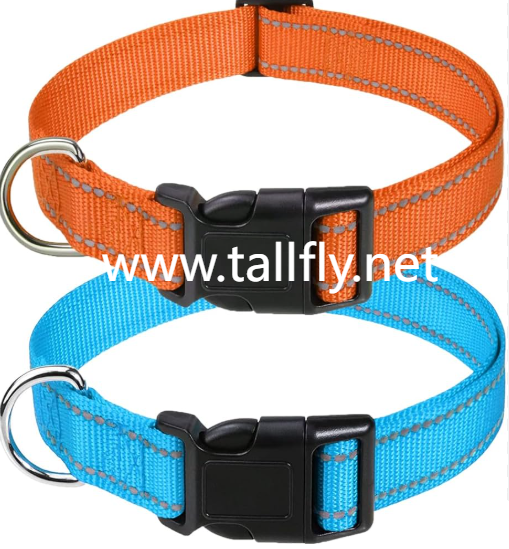
Beyond its functional role in safety and control, the Dog Collar has emerged as a potent cultural artifact, reflecting evolving societal attitudes towards animals, personal identity, and contemporary living. Its variations in style, material, and adornment tell a story about the owner's values, aesthetic preferences, and the place their pet holds within their social and family structures. This transformation from a simple tool to a meaningful symbol is particularly evident in urban environments and digital spaces, where the presentation of pet life is increasingly curated. Manufacturers like Taizhou Opey Pet Products Co., Ltd. operate within this cultural context, creating products that resonate with the symbolic and practical roles pets play in today's world.
Historically, collars served purely practical purposes: identification, restraint, or protection. Spiked collars for working dogs guarded against predators, while ornate collars in ancient civilizations denoted the high status of the owner. Today, the symbolism is more nuanced and personal. A minimalist, vegan leather collar might signal an owner's commitment to cruelty-free and sustainable living. A rugged, waxed canvas collar with brass hardware could align with an outdoorsy, adventure-seeking lifestyle shared with a canine companion. A collar featuring a popular cartoon character or a sleek, tech-integrated design might reflect a younger, pop-culture-savvy or tech-oriented household. The collar becomes a non-verbal signal, communicating aspects of the owner's identity and how they conceptualize their relationship with their pet—as a family member, an adventure partner, or a fashion accessory.
This symbolism is amplified and performed in the digital realm, particularly on social media platforms. The "dog influencer" phenomenon has created a market where a collar is a key visual prop in a carefully constructed image. Photogenic collars that are colorful, unique, or coordinate with seasonal themes (like holiday patterns) are highly sought after. This drives demand for fast-changing styles and photogenic materials. Furthermore, the collar is often the canvas for displaying membership in a community. Tags or patches indicating the dog's name, but also its microchip number, vaccination status, or even a QR code linking to a digital profile, speak to a culture of responsible, organized, and connected pet ownership. In this sense, the collar bridges the physical and digital identities of the pet.
The cultural significance of the collar also manifests in its role within specific activities and subcultures. In the world of dog sports—agility, flyball, or dock diving—collars are often removed during competition for safety, but specific, quick-release designs are used before and after, symbolizing participation in a dedicated community. Within urban subcultures, certain styles of collars, like wide, studded designs, can carry connotations borrowed from human fashion. For the traveling pet, a collar might hold a tag from a famous national park or a country visited, acting as a souvenir and a badge of a shared journey. These contextual uses show that the collar is not just about the dog, but about the shared life and stories of the dog and owner.
For manufacturers, this cultural layer adds complexity to product development. It requires an awareness not just of material trends, but of social trends, digital culture, and shifting values around pet ownership. A successful product line might need to cater simultaneously to the practical needs of a suburban family, the aesthetic demands of an urban influencer, and the durability requirements of a hiking enthusiast. This necessitates a versatile and responsive design approach. Companies that successfully tap into this symbolic value create products that feel personally meaningful to buyers, fostering stronger brand connection and loyalty.
In conclusion, the modern dog collar is a multifaceted object where utility meets identity, and personal care intersects with social expression. It is a small but significant part of the material culture surrounding human-animal relationships. Its design and selection process encapsulate considerations of safety, comfort, personal taste, and social signaling. As lifestyles continue to evolve and the bond between humans and pets deepens, the cultural narratives woven into this everyday accessory will undoubtedly become richer and more diverse. For those interested in observing how these cultural currents shape contemporary pet product design, a valuable perspective can be gained by exploring the collections and philosophies of established manufacturers through their dedicated online presence at www.tallfly.net .

 Arabic
 French
 Spanish
 Portuguese
 Deutsch
 Turkish
 Dutch
Dutch
 Italiano
 Russian
 Romaian
 Portuguese (Brazil)
 Greek
Greek