

How Does Pesticide Spray Gun Nozzle Shape Spray Pattern
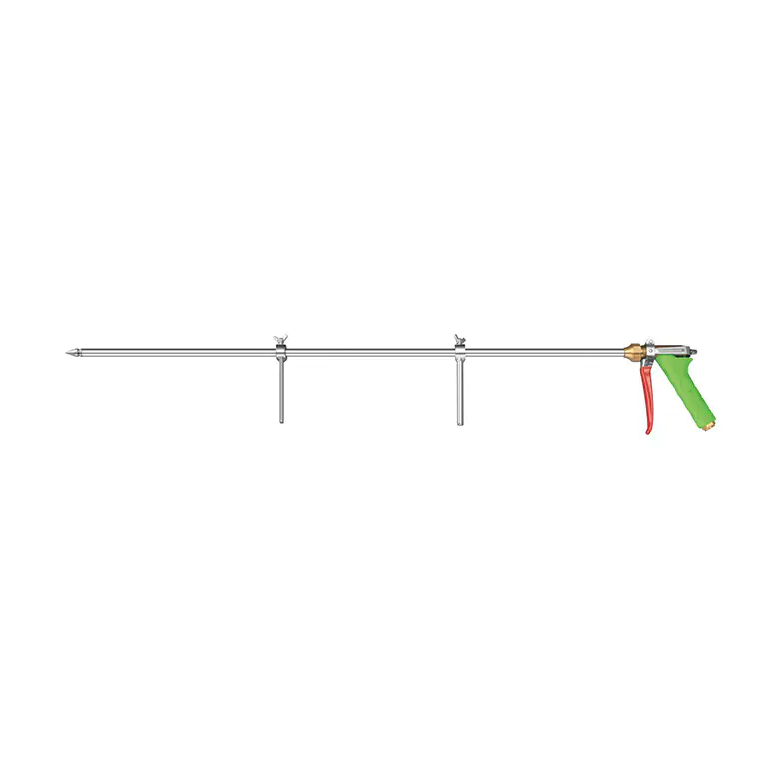
Crop protection strategies often rely on tools that help farmers apply treatment solutions efficiently. An agricultural spray gun is commonly used to distribute pesticides, fertilizers, or nutrient solutions across crops. The pesticide spray gun nozzle functions as the final control point where liquid leaves the equipment and forms the spray pattern that reaches the plants.
The spraying process begins when liquid stored in a tank is pushed through hoses using a pump or manual pressure system. As the liquid reaches the nozzle, it passes through carefully designed openings that convert the flow into droplets. The shape and size of these droplets influence how the spray spreads across the crop surface.
Different crops require different spraying approaches. Vine crops such as grapes or cucumbers grow in dense clusters where pests may hide beneath leaves. A well-adjusted nozzle helps distribute droplets through these areas so the treatment can reach hidden surfaces.
Field crops with taller stalks may require stronger spray streams to reach upper plant sections. The adjustable structure of many spray guns allows operators to modify pressure and spray width according to plant height.
The agricultural spray gun also offers mobility in farming operations. Portable spray systems allow farmers to move between fields, greenhouses, or orchards while carrying a tank of treatment solution. This flexibility makes the equipment useful for targeted spraying tasks.
Greenhouse cultivation represents another environment where spray guns are frequently used. Plants grown inside controlled structures often require precise treatment to prevent pests or fungal growth. A pesticide spray gun nozzle designed for fine droplets can help distribute solutions evenly across plant surfaces.
Manufacturers of spray equipment often focus on balancing durability and weight. Lightweight materials help reduce fatigue for operators who may use the equipment for extended periods. At the same time, components must withstand pressure and chemical exposure.
The spray pattern produced by the nozzle may take several forms, including cone-shaped mist, flat fan spray, or narrow jet streams. Each pattern serves a different agricultural purpose depending on crop layout and spraying distance.
Agricultural research has also examined the relationship between droplet size and pesticide effectiveness. Larger droplets tend to remain on plant surfaces, while finer droplets provide broader coverage. Farmers may select nozzle types based on the treatment being applied.
Environmental considerations have influenced modern spraying techniques. Reducing spray drift has become a topic of interest for farms located near residential areas or water sources. Nozzles designed to produce controlled droplet sizes help reduce unintended dispersion.
Maintenance routines support consistent spraying performance. After each spraying session, flushing the system with clean water helps remove chemical residues. Keeping the nozzle opening clear ensures that the spray pattern remains stable during future applications.

 English
 Arabic
 French
 Spanish
 Portuguese
 Deutsch
 Turkish
 Dutch
Dutch
 Russian
 Romaian
 Portuguese (Brazil)
 Greek
Greek