

Can You Actually Keep Car Upholstery Free From Shedding
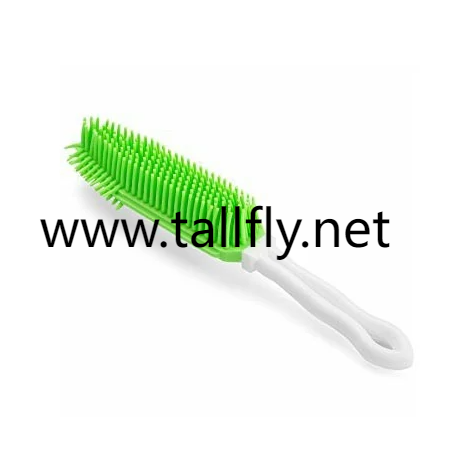
Vehicle interiors become magnets for shed fur when you transport canine or feline companions regularly, creating unsightly accumulations on seats, carpets, and floor mats. Standard vacuuming often proves insufficient for removing deeply embedded strands that cling stubbornly to fabric fibers through static electricity. Implementing effective techniques with a specialized Pet Hair Remover Comb transforms frustrating cleaning sessions into manageable maintenance routines that preserve your vehicle's appearance and resale value.
Begin by addressing loose surface hair before tackling embedded strands. Run your hand across upholstery to gather clumps that haven't yet worked themselves into the fabric weave. Disposing of these accumulations first prevents redistributing loose fur during subsequent combing efforts. This preliminary step reduces overall cleaning time by removing easy targets before engaging more stubborn deposits.
Work systematically across one section at a time rather than randomly attacking visible problem areas. Starting at the top of seat backs and moving downward ensures dislodged hair falls onto sections you haven't yet cleaned rather than recontaminating completed areas. Divide each seat into quadrants mentally, completing one fully before advancing to the next. This methodical approach guarantees comprehensive coverage without missing patches hidden in creases or along seams.
Apply firm, consistent pressure while drawing the removal tool across fabric surfaces. Light pressure skims across the top without engaging embedded strands, while excessive force can damage delicate upholstery materials. Finding the appropriate balance requires brief experimentation on inconspicuous areas to determine what your specific fabric tolerates. Short, overlapping strokes prove more effective than long sweeping motions that allow the tool to ride up over embedded fur rather than catching and extracting it.
Pay special attention to crevices where seats meet backs and along side bolsters where passengers and pets create friction during travel. These high contact zones accumulate disproportionate fur quantities as movement grinds shed hair deep into fabric texture. Angling your strokes to follow natural fabric grain rather than working against it improves extraction efficiency while reducing fabric wear.
Cleaning frequency affects the effort required during each session. Weekly maintenance prevents massive buildup that demands marathon cleaning efforts. Brief sessions after trips where pets rode extensively keep accumulation manageable. Establishing consistent schedules transforms vehicle hair removal from dreaded chore into quick routine task.
Floor mats and carpeted areas require different techniques than upholstered seats. Rubber or vinyl mats benefit from initial shaking to dislodge loose material before combing remaining stuck strands. Carpeted surfaces respond well to short, quick strokes that lift fur from pile fibers without matting the carpet down. Working in multiple directions catches strands oriented differently within the pile.
Humidity levels influence how readily fur releases from fabric. Slightly dampening stubborn areas with water mist can reduce static cling that holds strands firmly against upholstery. Avoid soaking materials, as excessive moisture creates mildew risks and extended drying times. Light misting provides just enough moisture to neutralize static without saturating fabric.
Temperature affects both fur characteristics and fabric behavior. Cold weather makes synthetic fabrics more prone to static electricity, increasing fur adhesion. Warming your vehicle interior before cleaning sessions can reduce static cling effects. Conversely, extreme heat may soften certain fabrics, requiring gentler pressure to avoid damage.
Clean the Pet Hair Remover Comb itself regularly during use. Accumulated fur in the tool reduces its effectiveness progressively as the collection chamber fills. Removing collected material between sections maintains optimal performance throughout the entire cleaning session rather than diminishing gradually.
Consider protective seat covers for pets who travel frequently. While these don't eliminate cleaning needs entirely, they concentrate fur on removable surfaces that clean more easily than permanent upholstery. When covers require washing, underlying seats remain relatively pristine. For grooming tools designed to tackle stubborn vehicle fur and maintain clean interior spaces during pet transportation, visit https://www.tallfly.net/ to review options suited to automotive cleaning challenges.

 Arabic
 French
 Spanish
 Portuguese
 Deutsch
 Turkish
 Dutch
Dutch
 Italiano
 Russian
 Romaian
 Portuguese (Brazil)
 Greek
Greek