

How Shipbuilding Companies Improve Marine Logistics and Economic Growth
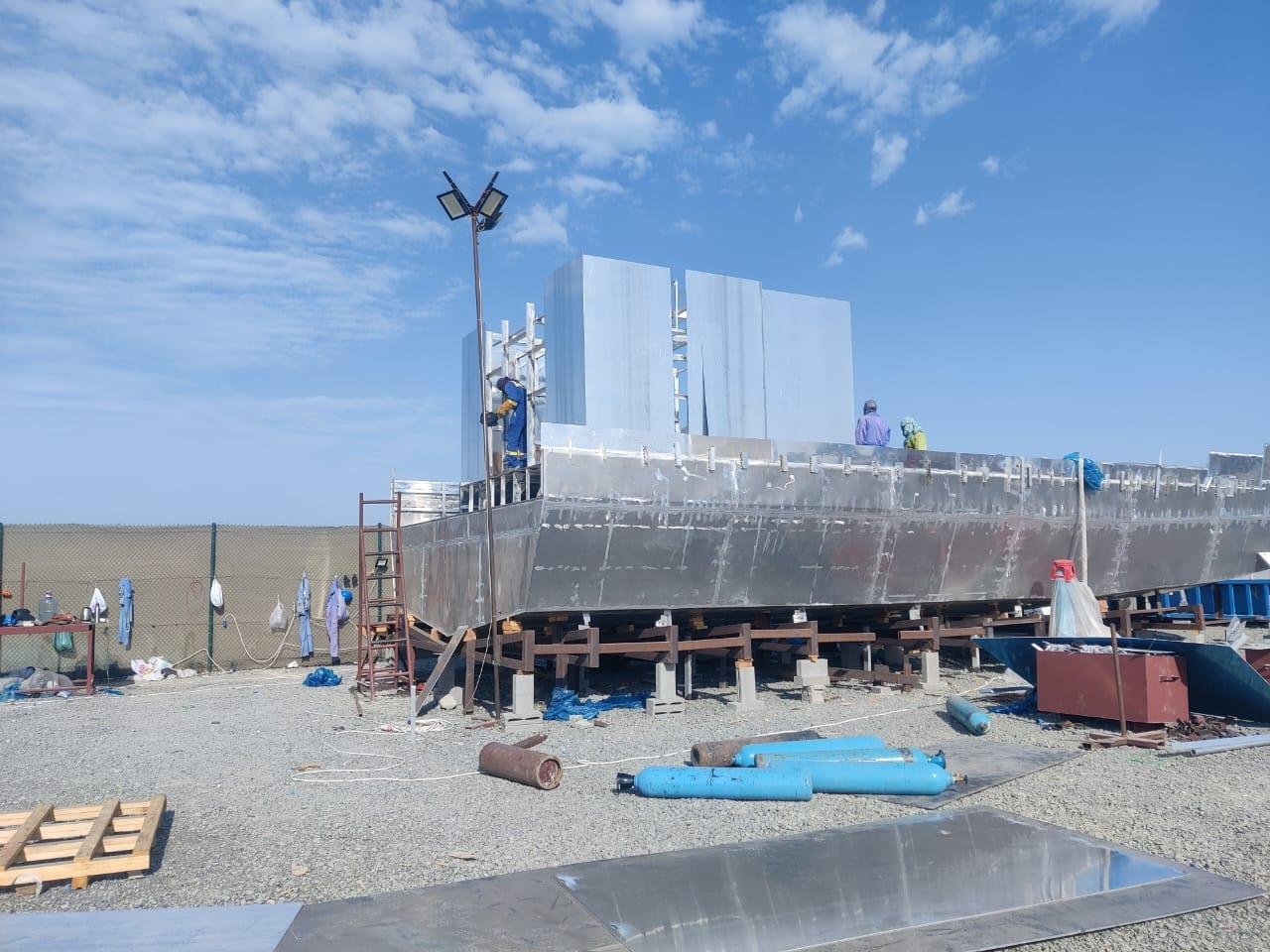
The global maritime industry carries nearly 90% of world trade by volume, making it the backbone of international commerce. At the center of this massive trade network are ship building companies, which design and construct the vessels that power global logistics. Without modern ships, supply chains would slow down, transportation costs would increase, and international trade would struggle to function efficiently.
Shipbuilders do much more than construct vessels. They integrate advanced engineering, fuel-efficient systems, and digital navigation technologies to ensure smoother and safer sea transport. As global trade continues to expand, the demand for technologically advanced vessels has increased significantly. According to UNCTAD, global seaborne trade surpassed 12 billion tons annually, highlighting the essential role of ship construction in sustaining economic momentum.
How ship building companies in UAE Strengthen Regional Logistics
The Middle East has emerged as a major maritime hub, and ship building companies in UAE play a crucial role in supporting regional marine logistics. The UAE’s strategic location between Asia, Europe, and Africa makes it one of the world’s most important trade corridors.
Ports such as Jebel Ali handle millions of containers each year, and this level of activity requires modern, high-performance vessels. By producing technologically advanced ships that can handle larger cargo volumes and operate efficiently in regional waters, UAE-based shipbuilders directly improve trade connectivity.
The maritime sector contributes approximately 7% to the UAE’s GDP, demonstrating how shipbuilding strengthens both logistics and economic stability. Improved vessel quality reduces delays, enhances port turnaround time, and lowers operational costs — all of which contribute to smoother marine supply chains.
Innovation by ship manufacturing companies in UAE
Beyond basic construction, ship manufacturing companies in UAE are investing heavily in innovation. Modern vessels are now built with:
-
Fuel-efficient engines that reduce consumption by up to 20–30%
-
Smart navigation systems using AI and satellite tracking
-
Advanced hull designs that improve speed and reduce resistance
-
LNG-powered systems that lower greenhouse gas emissions
The International Maritime Organization (IMO) aims to reduce shipping emissions by at least 50% by 2050 compared to 2008 levels. Ship manufacturers are responding by building environmentally responsible vessels that meet international standards.
This innovation strengthens marine logistics by cutting fuel costs, minimizing environmental penalties, and ensuring compliance with global shipping regulations. When vessels operate more efficiently, shipping companies can reduce freight costs, which benefits exporters, importers, and consumers alike.
The Role of Marine Infrastructure and marine services in UAE
Strong marine logistics require more than ships alone. Efficient ports, maintenance facilities, and supply chain support systems are equally important. That is where marine services in UAE become essential.
Marine services include vessel maintenance, repair operations, port logistics coordination, cargo handling, and maritime consultancy. Together, these services create a fully integrated logistics ecosystem.
When shipbuilding is supported by strong marine services:
-
Ships experience fewer operational breakdowns.
-
Port congestion is reduced.
-
Turnaround times improve significantly.
-
Supply chains remain consistent and reliable.
Studies show that reducing port turnaround time by just 10% can increase trade efficiency by up to 3–4% in emerging economies. This demonstrates how shipbuilding combined with strong service infrastructure multiplies economic benefits.
Economic Impact and Employment Generation
The shipbuilding industry contributes significantly to national and global economies. It creates direct employment for engineers, welders, naval architects, and project managers. Indirectly, it supports industries such as steel production, electronics, logistics, and transportation.
According to OECD data, maritime industries in coastal economies can contribute between 5–10% of GDP. The economic multiplier effect of shipbuilding is substantial because each vessel project involves suppliers, contractors, and service providers.
Moreover, efficient marine logistics lowers transportation costs. A study by McKinsey suggests that a 10% reduction in logistics costs can increase trade volumes by 10–15% in developing regions. This direct relationship between shipping efficiency and economic growth highlights why shipbuilding investment is crucial.
Competitiveness Driven by top shipbuilding companies
Globally, top shipbuilding companies continuously push the boundaries of design, automation, and sustainability. They develop vessels capable of carrying over 24,000 TEUs, dramatically increasing cargo capacity per voyage.
Larger and smarter ships allow:
-
Reduced per-unit shipping costs
-
Greater fuel efficiency
-
Fewer voyages for the same cargo volume
-
Lower environmental impact per container
These advancements enhance global supply chain resilience. When logistics become more reliable and affordable, businesses can expand into international markets with greater confidence. This strengthens exports, encourages foreign investment, and accelerates economic growth.
Contribution of VU Marine to Modern Shipbuilding
Among the innovators in the maritime sector, VU Marine represents a strong example of forward-thinking shipbuilding practices. By focusing on fuel-efficient vessel designs, digital integration, and sustainable construction standards, VU Marine contributes to the overall advancement of marine logistics.
Modern ships built with advanced technologies help reduce operational costs and improve delivery timelines. When shipbuilders prioritize quality engineering and environmental responsibility, the benefits extend far beyond the shipyard — they impact global trade networks and economic systems.
Strengthening Global Value Chains
Global value chains depend heavily on maritime transport. Around 50% of global trade is linked to supply chains that span multiple countries. Components may be manufactured in one nation, assembled in another, and sold in a third.
Shipbuilding companies make this interconnected trade possible. By delivering reliable vessels with improved safety and performance standards, they ensure uninterrupted cargo movement. Efficient marine logistics enables industries such as manufacturing, retail, and energy to operate smoothly.
As e-commerce and international trade continue to grow, the demand for high-capacity, technologically advanced vessels will rise further — increasing the importance of shipbuilding in global economic development.
Conclusion
Shipbuilding companies play a transformative role in improving marine logistics and driving economic growth. From designing fuel-efficient vessels to supporting global trade expansion, their contributions are vast and measurable. With nearly 90% of global goods transported by sea, maritime efficiency directly impacts worldwide economic stability.
Through innovation, infrastructure support, sustainability initiatives, and employment generation, the shipbuilding industry strengthens both regional and global economies. Companies like VU Marine highlight how strategic engineering and advanced design can elevate marine logistics to new levels.
As international trade evolves, the continued development of modern ships will remain essential for faster supply chains, reduced transportation costs, and sustainable economic progress.

 English
 Arabic
 French
 Portuguese
 Deutsch
 Turkish
 Dutch
Dutch
 Italiano
 Russian
 Romaian
 Portuguese (Brazil)
 Greek
Greek